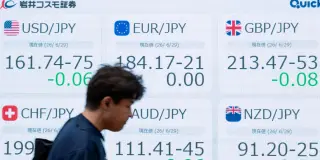
Japan's yen sank to a near 40-year low against the dollar, fueling talk of official intervention that could require selling FX reserves—including U.S. Treasurys—potentially sending waves through the global bond market as the U.S.-Japan rate gap and carry trades complicate the outlook.
The upcoming Japanese elections could cause significant market turmoil similar to last summer, potentially leading to rising Japanese bond yields and a sell-off in U.S. Treasurys, due to concerns over fiscal policy, debt sustainability, and currency carry-trades, highlighting the interconnectedness of global financial markets.
The reputation of US Treasurys as a safe-haven asset has been questioned due to a historic bond sell-off and rising default fears. Moody's recent downgrade of the US credit outlook to "negative" and concerns over massive deficits and rising debt have raised doubts about the safety of Treasurys. While some argue that Treasurys still serve as a safe haven, others point to liquidity and interest rate risks, as well as the increasing cost of insuring against default. As concerns over debt sustainability and bond prices mount, investors have become more cautious, demanding higher compensation for holding Treasurys. However, some analysts believe that in a risk-off environment, Treasurys would still attract safe-haven flows.
Bank of America analysts have stated that the market for U.S. Treasurys is experiencing the biggest bear market in history, with a decline of almost a quarter since the summer of 2020. This surpasses similar periods in the 19th century. The prolonged bull run in the bond market has come to an end as rising interest rates have led to a significant drop in bond prices. Exchange-traded funds (ETFs) exposed to U.S. Treasurys, such as the iShares 20+ Year Treasury Bond ETF, have been heavily impacted, with losses of up to 50%.
Morgan Stanley Wealth Management's CIO, Lisa Shalett, suggests that investors should consider buying US Treasurys as a hedge against high-priced stocks amid rising bond yields and a potential slowdown in the equity-market rally. Shalett believes that bonds have become more attractive in recent weeks and could offer decent capital gains potential. With bond yields rising above 4% and concerns about the Federal Reserve's interest rate policy, investors may find bonds more appealing due to similar returns at a lower risk level. Shalett advises investors to consider hedges for their high-priced stocks in case the optimistic scenario of sustained economic growth and low inflation doesn't materialize.
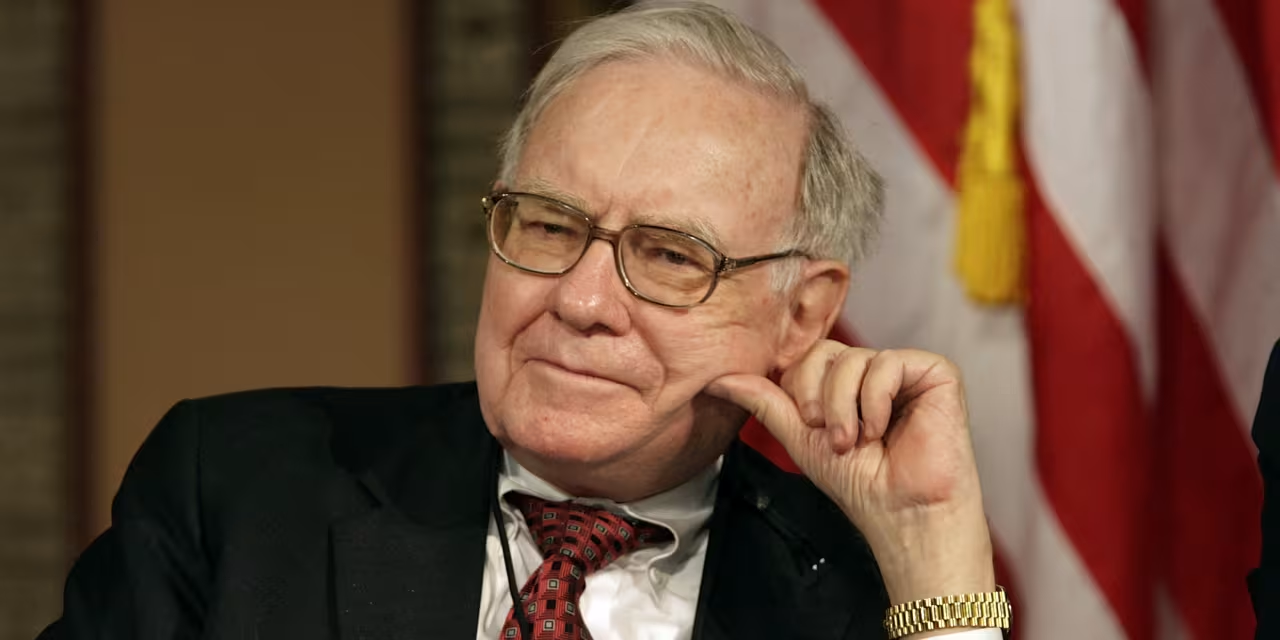
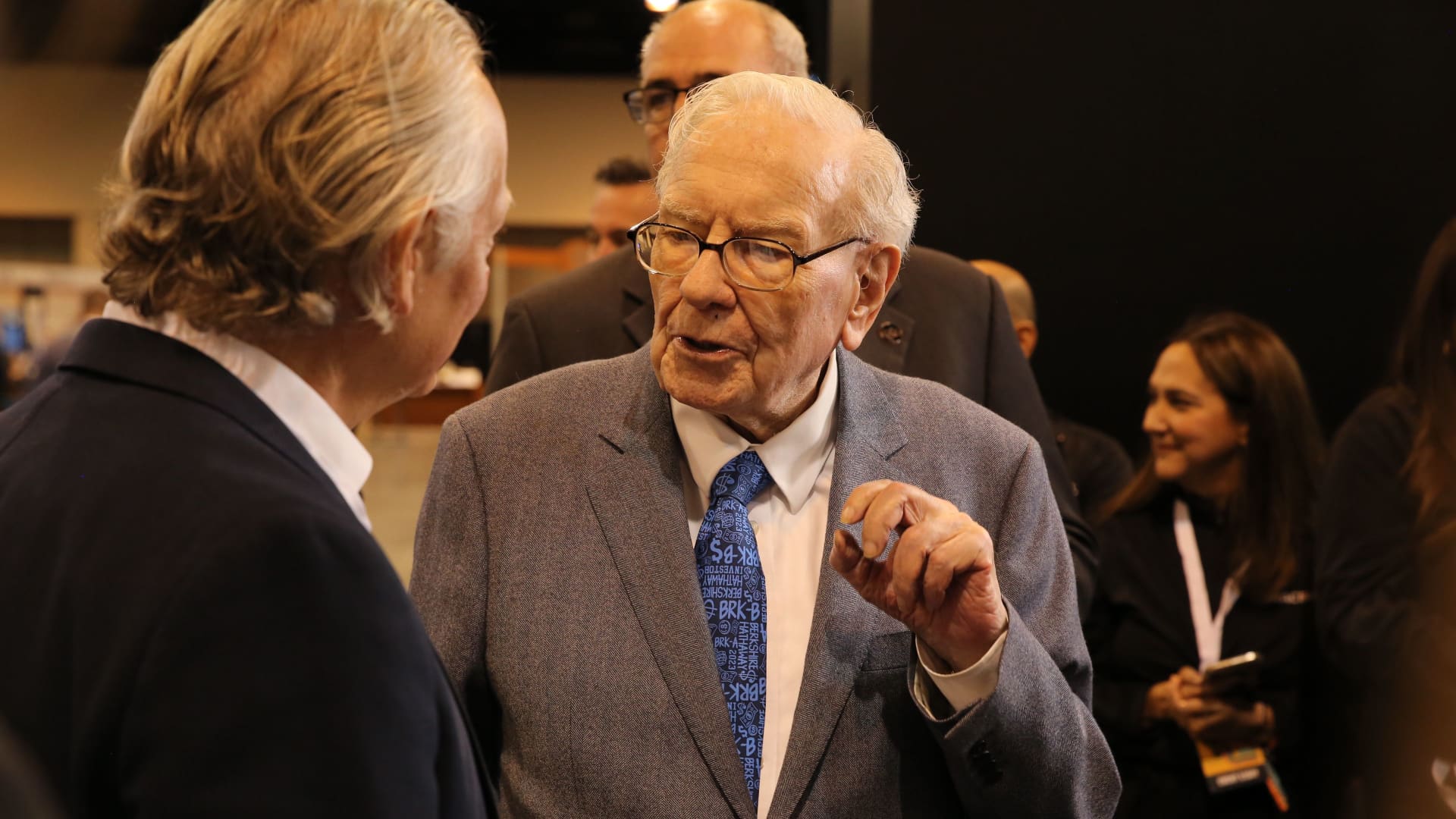
Warren Buffett, CEO and chairman of Berkshire Hathaway, dismisses Fitch Ratings' downgrade of U.S. government debt, stating that it won't affect his views on Treasurys or the U.S. dollar. The downgrade is not expected to result in forced selling of Treasurys, as many major Treasury holders had already prepared for the move. Buffett confirms that Berkshire Hathaway will continue its Treasury-buying plans, having recently purchased $10 billion in Treasurys.
Warren Buffett dismisses concerns over Fitch's U.S. credit rating downgrade, stating that it doesn't affect Berkshire Hathaway's current activities. Despite acknowledging valid concerns about fiscal deterioration and growing debt, Buffett remains confident in U.S. Treasurys and the dollar, emphasizing the dollar's status as the world's reserve currency.
Billionaire investor Bill Ackman is shorting 30-year U.S. Treasurys as a hedge against the impact of long-term rates on stocks in a world with persistent 3% inflation. Ackman believes this to be one of the few macro investments that still offer reasonably asymmetric payoffs. He argues that if U.S. inflation remains at 3% in the long term, 30-year Treasury yields could hit 5.5% soon. Ackman points to factors such as de-globalization, higher defense costs, the energy transition, growing entitlements, and political divisiveness as reasons for higher long-term inflation. He also anticipates the ending of yield curve control in Japan to increase the appeal of Japanese government bonds over U.S. Treasurys.
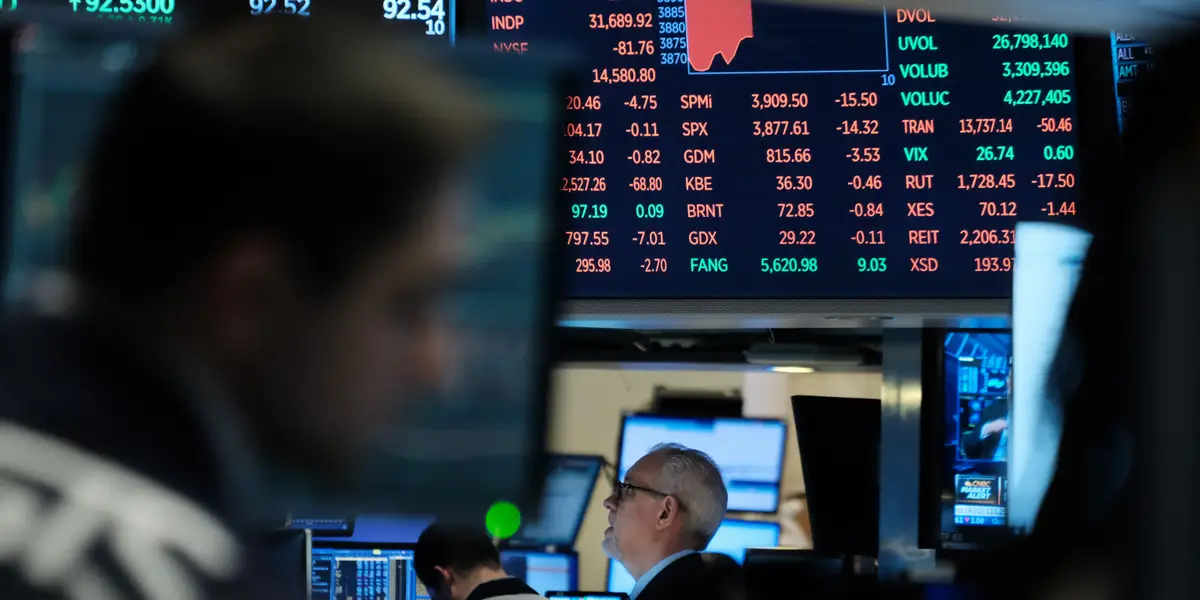
The markets for U.S. Treasurys and German bunds have experienced a sharp decline in liquidity, making trading difficult and slower. This is due to concerns about the health of global banks, and the stress is now spreading to other markets, including derivatives. Traders are experiencing wider price spreads and slower executions, making it challenging to lock in prices and hedge risks.