Tag

Carry Trade

All articles tagged with #carry trade

Traders bet on renewed volatility in the yen after intervention
markets11 days ago

Traders bet on renewed volatility in the yen after intervention

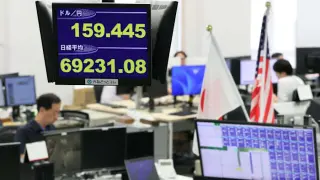
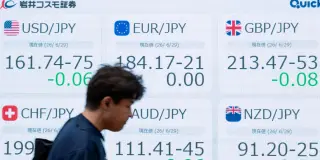
Two weeks after a joint US-Japan intervention aimed at stabilizing the yen, traders are increasingly betting on further moves as the dollar hovers around ¥159; the carry-trade dynamic—funding high-yield bets with cheap yen—keeps yen under pressure, aided by high US yields and cautious BOJ policy. While intervention may have slowed the slide for now, a disorderly unwind remains a market risk that could ripple through US tech and EM assets, so policymakers face a delicate balance.

CPI Catalyst Looms as USD/JPY Keeps Swinging on Fed Bets
business15 days ago

CPI Catalyst Looms as USD/JPY Keeps Swinging on Fed Bets

USD/JPY remains highly sensitive to US CPI data and Fed rate expectations, with carry-trade dynamics and periodic BoJ/US interventions driving swings; tomorrow’s CPI release could trigger another sizable move as traders reassess the odds of further Fed tightening. Past CPI-driven reversals around key levels show how inflation prints shape USD/JPY and the broader FX markets, underscoring CPI as a decisive near-term driver.

Yen Rally Fades as Yield Gap Undermines Intervention
business15 days ago

Yen Rally Fades as Yield Gap Undermines Intervention

A coordinated U.S.–Japan yen intervention cooled speculation but did not close the yield gap with the United States, leaving the yen vulnerable as carry trades persist; analysts say intervention slowed momentum but hasn’t changed fundamentals, and sustainable yen strength will depend on BOJ normalization and stronger Japanese asset appeal, with a possible second intervention if moves accelerate and Fed liquidity backstops remain in place.

Yen Intervention Likely to Stall, Analysts Warn
currency17 days ago

Yen Intervention Likely to Stall, Analysts Warn

U.S. efforts to shore up the yen are unlikely to yield a lasting recovery because Japan’s policy mix favors a soft currency for exporters, the US–Japan rate gap remains wide, and the intervention’s design (reportedly buying yen with euros rather than dollars) limits broader dollar-policy implications; without policy shifts in Tokyo or direct dollar selling, any yen rally is likely temporary.

Yen sinks to 40-year low, sparking intervention chatter and market ripples
markets1 month ago

Yen sinks to 40-year low, sparking intervention chatter and market ripples

The Japanese yen dropped to its weakest level in about four decades against the U.S. dollar as traders bet the Fed will keep rates high amid an oil-price shock from the US-Israel-Iran conflict. The Bank of Japan’s still-lower rates help explain the gap, and Tokyo has intervened before, though the yen’s slide continues. A larger move could affect U.S. Treasuries, currency flows, and carry trades, with implications for Japan’s import costs and broader global markets.

Japan's Bond Market Under Global Scrutiny Amid Economic Challenges
finance1 year ago

Japan's Bond Market Under Global Scrutiny Amid Economic Challenges

Japan's bond market is experiencing rising long-term yields, sparking fears of capital outflows from the U.S. and a potential unwind of carry trades, which could lead to global market instability. The increase in yields is driven by structural factors and changing demand, raising concerns about a possible global financial crisis if confidence in safe assets erodes.

Dollar Surges Amid Trump Tariff Speculation and Global Market Impact
finance1 year ago

Dollar Surges Amid Trump Tariff Speculation and Global Market Impact

The U.S. dollar surged to a four-month high against the yen as investors engaged in yen-dollar carry trades, driven by expectations of aggressive tariffs from the Trump administration. The dollar's strength is supported by in-line U.S. inflation data and rising bond yields, despite market speculation of a potential Federal Reserve rate cut. Trump's proposed tariffs could boost the dollar by reducing U.S. demand for foreign currencies and increasing domestic inflation, prompting a reevaluation of the Fed's dovish stance. This has led to increased confidence in the dollar's performance among investors.