Shirley Apthorp’s review of Bayreuth’s AI-staged Ring criticizes Marcus Lobbes’ AI imagery for being banal and distracting, drowning out Wagner’s music despite a superb performance from conductor Christian Thielemann; audience frustration and boos mark the show as an ill-conceived experiment that should not be repeated.
Tuareg rebels reclaimed Kidal from Russia-backed forces, delivering a major reputational blow to Putin in the Sahel as Moscow’s Africa Corps withdraws amid jeers from the very rebels it was sent to crush. Analysts say Russia’s security support is transactional and cannot address the region’s deeper drivers of militancy, prompting Mali to diversify partnerships while still relying on Moscow for frontline security.
Russian Africa Corps says it has withdrawn from the northern Malian city of Kidal after weekend clashes involving separatists and Islamist militants; the Azawad Liberation Front claims control of Kidal, while Mali’s authorities have not officially confirmed the change. The attacks spanned multiple cities including Bamako, Sevare, Mopti, Gao and Kidal, underscoring ongoing instability in the Sahel and Moscow’s footprint through private military forces.
In High Potential's Season 2 finale Family Tree, Morgan and Karadec confront personal betrayals as Lucia's ties to a conman surface, while a deadly twist around Roman and an FBI agent's murder reshapes their investigations. The episode ends on a cliffhanger: Wagner is gravely wounded after a park meeting, and Morgan's search for Roman threatens those closest to her. Showrunner Todd Harthan teases that Wagner is on Morgan's side and that Morgan-Karadec's evolving bond will carry into a renewed Season 3.
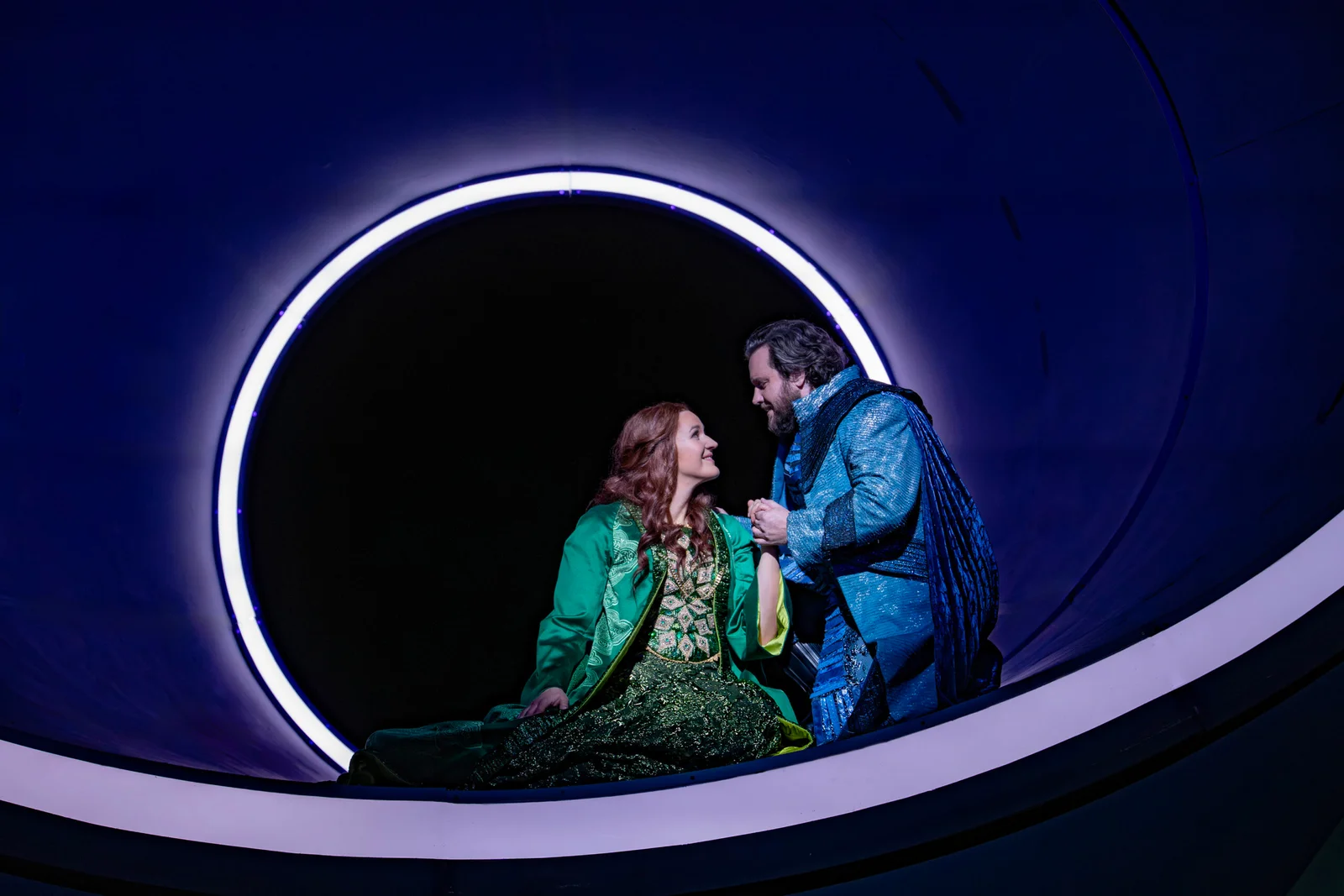
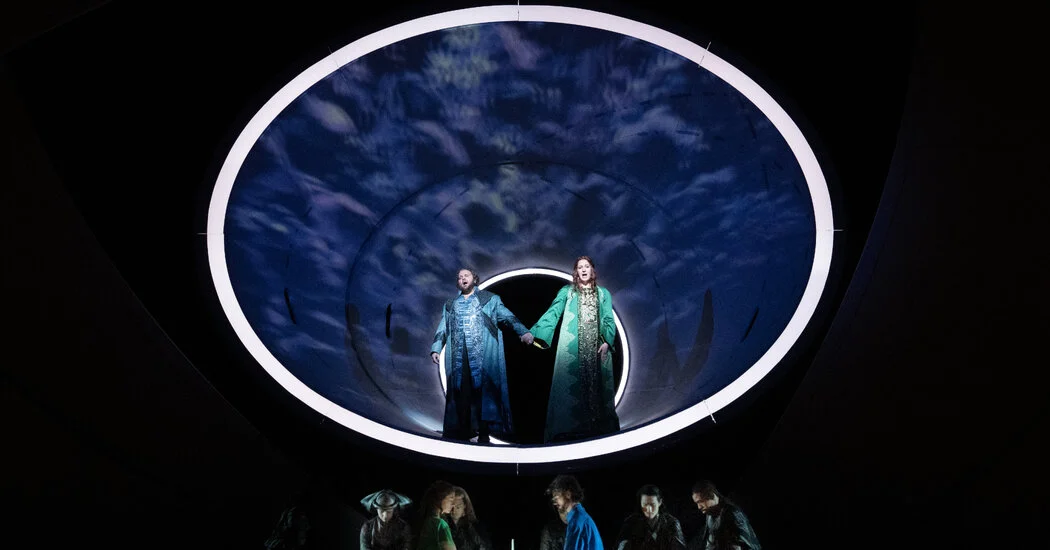
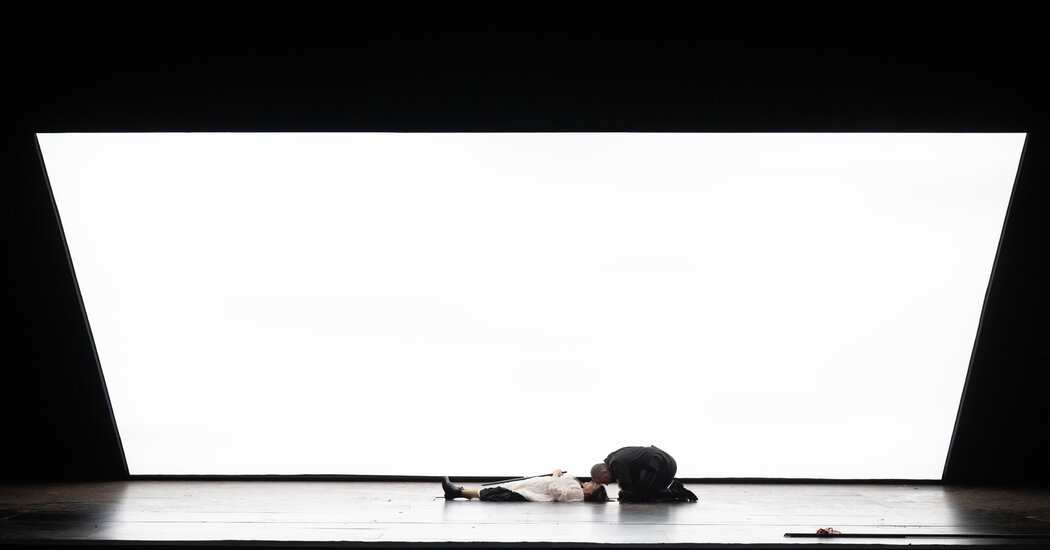
Met Opera’s Tristan und Isolde, staged by Yuval Sharon, presents a bold birth-death-rebirth concept that visually stacks an eye-like stage with a dual representation–will world, delivering a mostly immersive though uneven experience. Act I is visually striking but muddled; Act II offers a deeply romantic core that slows pacing; Act III finally pays off with a piercing Liebestod framed by the pregnancy twist. Davidsen’s Isolde and Spyres’s Tristan are standout anchors, lifting the production even as projections and some directorial choices—plus fluctuating conducting—divide opinion. Overall, it’s a memorable, ambitious interpretation that heightens Wagner’s philosophy while inviting debate over its execution.
Lise Davidsen delivers a monumental Isolde in Yuval Sharon’s inventive Met staging of Tristan und Isolde, reimagining the Liebestod with a newborn and guiding the performance to a luminous, transformative finale that signals a new era for Wagner at the Met.
The death of militia leader Stanislav Orlov, founder of the far-right Española unit, in Moscow is surrounded by mystery and is seen as part of a broader Kremlin crackdown on ultranationalist groups following the Wagner mutiny, with his funeral highlighting the paradox of celebrating radicals publicly while eliminating them when they step out of line.
A UK trial revealed how Russia-linked operatives, using Telegram and a gig economy approach, recruited individuals like Dylan Earl to carry out terrorist attacks in Europe, including arson in London, as part of a broader shadow war against the West. The operations are characterized by low-cost, deniable attacks aimed at destabilizing Ukraine's allies and spreading chaos in Europe.
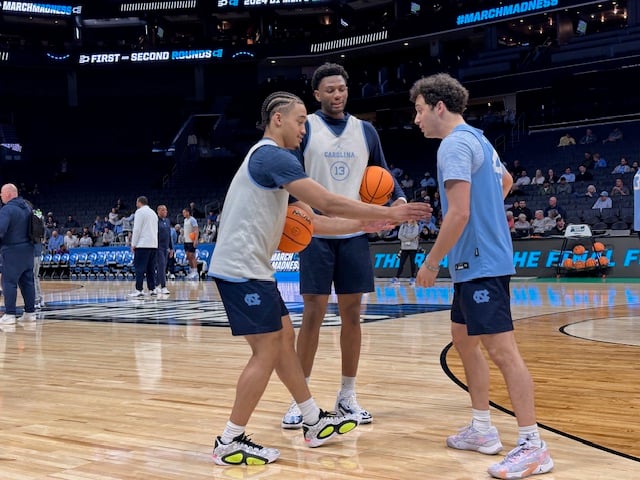
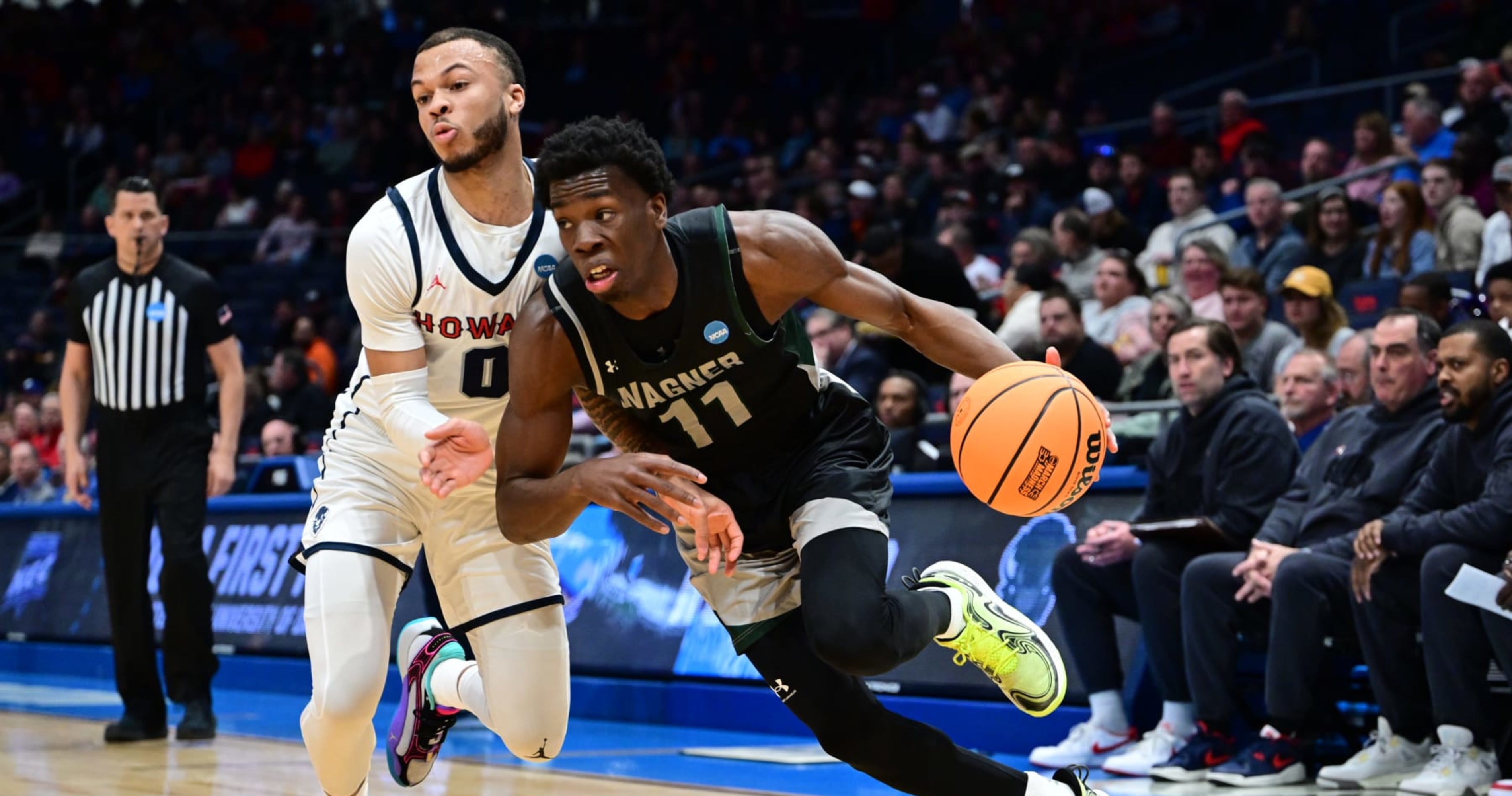
The NCAA Charlotte Regional features teams like North Carolina and Wagner, the latter of which has only seven healthy players due to injuries. Despite the odds, Wagner made it to the NCAA Tournament and is preparing to face North Carolina. The team's coach emphasizes the importance of maintaining a positive culture and not giving up on their goals, while also acknowledging the challenges they've faced. As other teams take to the court with full rosters, Wagner is determined to give their all and potentially become a Cinderella story in the tournament.
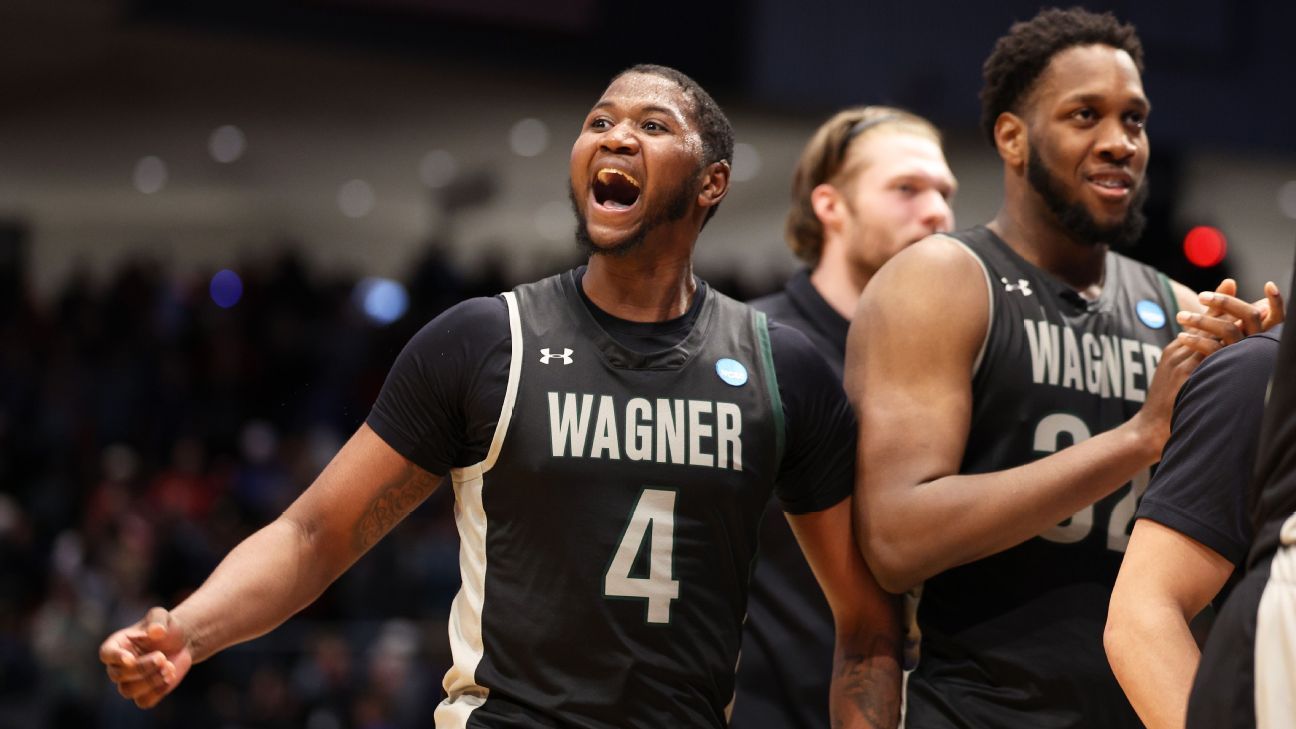
Wagner's seven-man team held off Howard 71-68 in the NCAA tournament's First Four, securing the school's first tournament win and advancing to face North Carolina. Despite injuries and a lack of depth, Wagner's players displayed endurance and composure, with guard Julian Brown hitting crucial free throws in the final seconds. The team's remarkable run to the tournament included overcoming adversity and defying expectations, setting the stage for a matchup against top-seeded North Carolina.
Wagner defeated Howard 71-68 in a thrilling First Four matchup, with Howard staging a late comeback that fell short. Wagner's Melvin Council Jr. led the way with 21 points, setting up a first-round clash with North Carolina.
The University of North Carolina baseball team defeated Wagner with a final score of 16-5 on February 17, 2024. The scoring summary included multiple RBI hits and home runs from UNC players, leading to a decisive victory.
Romeo Castellucci's production of Wagner's "Ring" at La Monnaie in Brussels incorporates the use of animals and impressive stage magic, offering a reminder that spectacle can have substance and that an audience can handle intelligence. The production, which is part of a larger "Ring" cycle, suggests that the Metropolitan Opera in New York could take notes from La Monnaie as it plans its own "Ring" production, emphasizing the balance between abstract and theatrical elements.
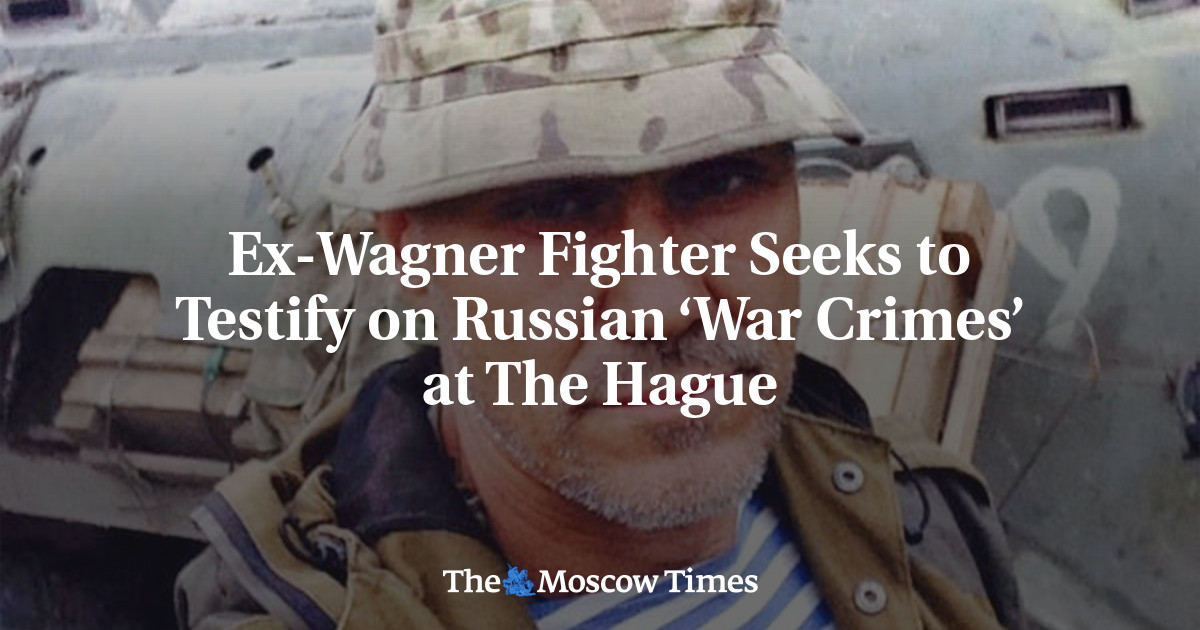
A former officer in Russia's mercenary outfit Wagner has arrived in the Netherlands to testify at the International Criminal Court (ICC) about Russian war crimes in Ukraine. Igor Salikov, who claimed to have witnessed atrocities against civilians and child abductions, stated that the orders for these crimes came from Russia's Defense Ministry, intelligence services, and even President Vladimir Putin himself. The ICC had previously called for the arrest of Putin and his children's rights commissioner over their alleged responsibility for the unlawful deportation and transfer of children from Ukraine. Salikov, who fled Russia with his family, is ready to "plead guilty" to the charges. However, it remains unclear how the ICC will respond to his written statement.
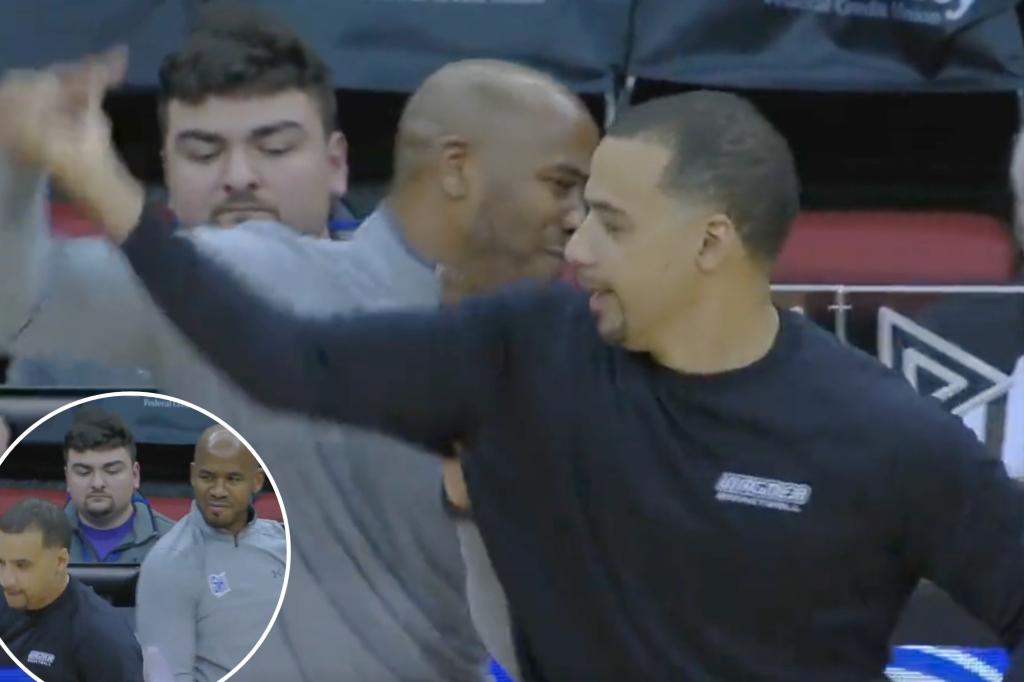
Seton Hall and Wagner men's basketball coaches, Shaheen Holloway and Donald Copeland, got into an ugly scuffle during the postgame handshake after Seton Hall's 72-51 win over Wagner. The disagreement arose from a late foul committed by Wagner's Tahron Allen, and the coaches had to be separated. Both coaches publicly apologized for the incident.