OutKick’s Nightcaps recaps Tim Walz’s viral golf clip, the NFL’s ratings edge over the NBA, and Kristin Cavallari, while weaving in Savannah Bananas antics and other quick-hitting sports and pop‑culture notes from the week.
Minnesota Gov. Tim Walz rejected President Trump’s unfounded assertion that Minnesota was behind recent water-system cyberattacks, saying there’s no proven Minnesota link while officials consider Iran a possible source; investigators have not confirmed a culprit, and the attacks did not affect water quality in more than 30 communities.
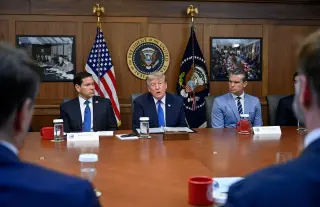
President Trump staged what his administration called the first televised Cabinet meeting at Camp David, using the retreat to vent about stalled policies: railing at Sen. John Cornyn over the attorney general nomination, lamenting the collapsed $1.8 billion DOJ payout fund, questioning Iran’s good faith in potential ceasefire talks, and warning Democrats would open U.S. borders if they win the midterms; he also mocked Minnesota Gov. Tim Walz over a cyberattack and highlighted the Camp David setting as a backdrop for his grievances.
Fox News Digital reports on a firestorm sparked by the Minnesota Star Tribune’s opinion defending Gov. Tim Walz’s clemency for Tou Lue Vang, a Laotian national who raped a 10-year-old in Minnesota and was facing deportation. The Minnesota Board of Pardons unanimously approved the pardon, prompting criticism from GOP lawmakers and commentators who tied it to broader debates over victims’ rights and illegal immigration; Vang was deported to Laos shortly after, and Walz defended the decision as justified, while the paper said it publishes a wide range of opinions.
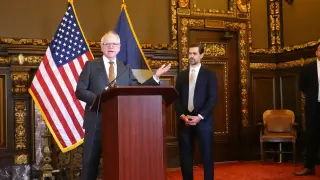
Minnesota Gov. Tim Walz defended the June clemency for Tou Lue Vang, a Laotian national convicted of first-degree criminal sexual conduct involving a 10-year-old, even after federal officials revoked his status and deported him to Laos. Walz said the pardon wasn’t about immigration policy and cited factors like victim support and other considerations, while critics including federal officials and Republican lawmakers—such as Marco Rubio—argued the decision had immigration and safety implications.
Tim Walz’s Minnesota Board of Pardons granted a full pardon to Tue Lue Vang, a Laotian national convicted of repeatedly raping a girl beginning at age 10, citing immigration concerns among the reasons for clemency. After the commission’s vote, the pardon was issued, but federal action followed: Secretary of State Marco Rubio said he terminated Vang’s legal status in the U.S., and Vang was deported to Laos, ending his stay in the United States.
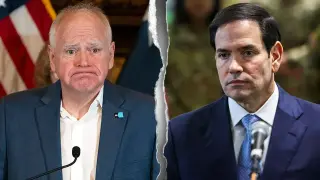
Sen. Marco Rubio criticized Minnesota Gov. Tim Walz for pardoning Tue Lue Vang, a Laotian immigrant convicted of first-degree criminal sexual conduct with a 10-year-old, arguing the clemency allowed him to avoid deportation; Rubio said Vang has since been removed from the United States, while DHS officials warned the move could shield the criminal from removal and highlighted the Clemency Review Commission’s role in the pardon.
A federal judge halted the Trump administration's bid to subpoena Minnesota Gov. Tim Walz in an immigration-enforcement probe, saying the move appears politically motivated. Walz and other Minnesota officials condemned the action as an attack on state authority and democratic norms, highlighting concerns about politicization of DOJ investigations.
A federal judge in Minnesota voided six DOJ grand-jury subpoenas aimed at Gov. Tim Walz and other local officials, ruling the probes were abusive and retaliatory attempts to punish Walz for resisting the Trump administration’s immigration crackdown. Judge Patrick Schiltz described the subpoenas as part of a broader pattern of using criminal investigations to pressure political adversaries and coercing officials, while noting constitutional limits on compelling states to enforce federal laws. DOJ has not commented; Walz called the ruling a victory for the rule of law.
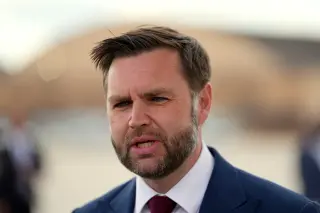
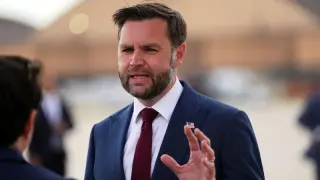
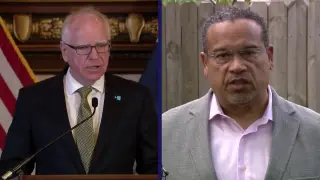
Vice President JD. Vance is urging a federal Justice Department probe of Minnesota Gov. Tim Walz and Attorney General Keith Ellison as the White House pushes a broader crackdown on fraud.
Vice President JD Vance—who leads the White House anti-fraud task force—has referred a House Oversight Committee report alleging delay of fraud warnings in Minnesota’s social services to the Justice Department for a criminal investigation of Gov. Tim Walz and Attorney General Keith Ellison. Ellison dismissed the claims as unfounded and a political stunt, while Walz had already dropped his reelection bid amid the controversy.
The U.S. House Oversight Committee’s report accuses Minnesota Gov. Tim Walz and Attorney General Keith Ellison of a major oversight failure in handling federally funded fraud, alleging state officials knew of systemic fraud as early as 2019 but continued payments to suspicious providers; agencies reportedly had power to suspend payments without court or federal direction. The findings estimate about $300 million in federal child-nutrition funds were lost to fraud and up to $9 billion in Medicaid funds were at risk due to oversight gaps, with whistleblowers allegedly retaliated against while leadership focused on political fallout. Walz’s office dismissed the committee’s actions as partisan.
A House Oversight Committee interim report alleges that Governor Tim Walz and Attorney General Keith Ellison knew for years about widespread fraud in federally funded Minnesota social services, failed to suspend payments despite authority, and allowed hundreds of millions to billions of dollars to flow to fraudulent actors, with whistleblowers sidelined and investigations ongoing.
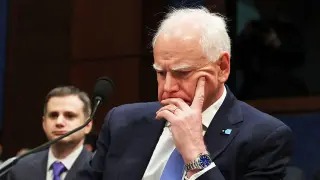
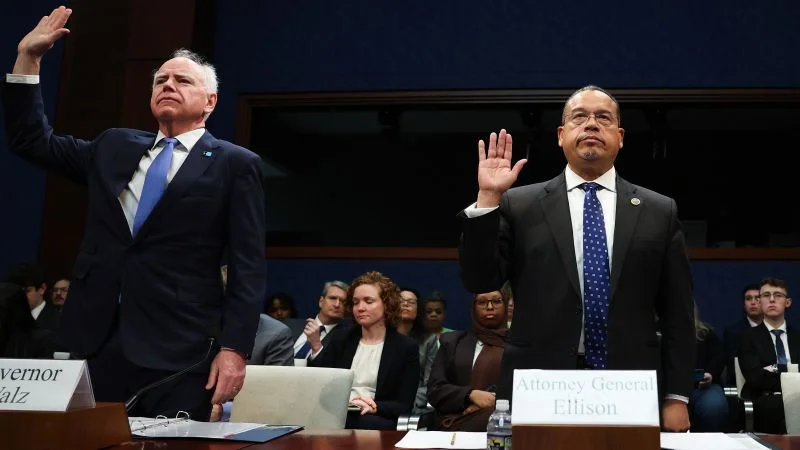
The House Oversight Committee revisits Minnesota’s welfare‑fraud saga, with Gov. Tim Walz and Attorney General Keith Ellison testifying as Republicans allege they knew of fraud years ago and did not act, potentially costing taxpayers billions; Walz and Ellison defend their actions amid ongoing investigations, whistleblower protections, and a broader funding dispute with the federal government.
Democratic Gov. Tim Walz, Minneapolis Mayor Jacob Frey, and Atty. Gen. Keith Ellison led a coordinated seven‑week effort to blunt Trump’s immigration crackdown in Minneapolis, using court battles, media strategy, back‑channel diplomacy, and National Guard planning while keeping city policies like the separation ordinance intact. The deaths of Renee Good and Alex Pretti at the hands of federal agents intensified pressure, but the officials worked to de‑escalate protests and avoid giving Trump a public win, a blueprint they say others blue cities are watching as they face similar federal crackdowns.