Tag

Warm Blooded

All articles tagged with #warm blooded

T. rex Blood Warmth Suggests a Fast, Active Predator
science22 days ago

T. rex Blood Warmth Suggests a Fast, Active Predator

UCLA researchers used a refined isotope analysis of Tyrannosaurus rex tooth enamel to estimate a body temperature around 97.3°F (±4.5), similar to humans. The finding supports a warm-blooded metabolism and the possibility of sustained activity, implying T. rex may have been a fast predator or scavenger rather than a slow ambush hunter; results were published in Science Advances and include comparative data from ancient crocodiles (about 88°F).
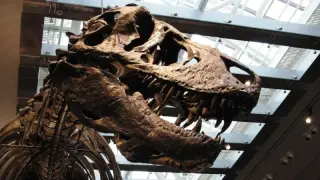
Tooth-based study pins T. rex as a warm-blooded predator at about 97°F
science23 days ago

Tooth-based study pins T. rex as a warm-blooded predator at about 97°F

A Science Advances study analyzed chemical signatures in Tyrannosaurus rex teeth to estimate its body temperature at about 97°F (36°C), providing direct evidence of a warm-blooded metabolism and suggesting T. rex could thrive in diverse climates across North America, potentially extending into Arctic regions and implying higher energy needs and more active predation than cold-blooded reptiles.

Teeth as thermometers place T. rex among warm-blooded giants
science23 days ago

Teeth as thermometers place T. rex among warm-blooded giants

Scientists analyzed isotopes in two tiny enamel samples from Thomas the T. rex to estimate its formation temperature at about 97°F (36°C), directly indicating a warm-blooded metabolism capable of longer activity and broader geographic range than cold-blooded reptiles. The approach uses tooth enamel as a fossil thermometer and, if applied to other dinosaurs, could reshape our understanding of their physiology and behavior across ancient climates.

Crocodiles may have been warm-blooded, reshaping the crocodile–bird saga
science1 month ago

Crocodiles may have been warm-blooded, reshaping the crocodile–bird saga

New research suggests both crocodile and dinosaur–bird lineages began warm-blooded; modern crocodiles retain a warm-blooded‑like heart but low blood flow, implying their ancestors were warm-blooded. The crocodile lineage then reverted to cold-blooded metabolism around 66 million years ago to enable long breath-holds as aquatic ambush predators, while birds remained warm-blooded and flight-capable—rewriting the deep evolutionary story of archosaurs.

Revealing the Growth Journey of Baby Dinosaurs: From Football-Sized Hatchlings to 3-Tonne Teens
paleontology3 years ago

Revealing the Growth Journey of Baby Dinosaurs: From Football-Sized Hatchlings to 3-Tonne Teens

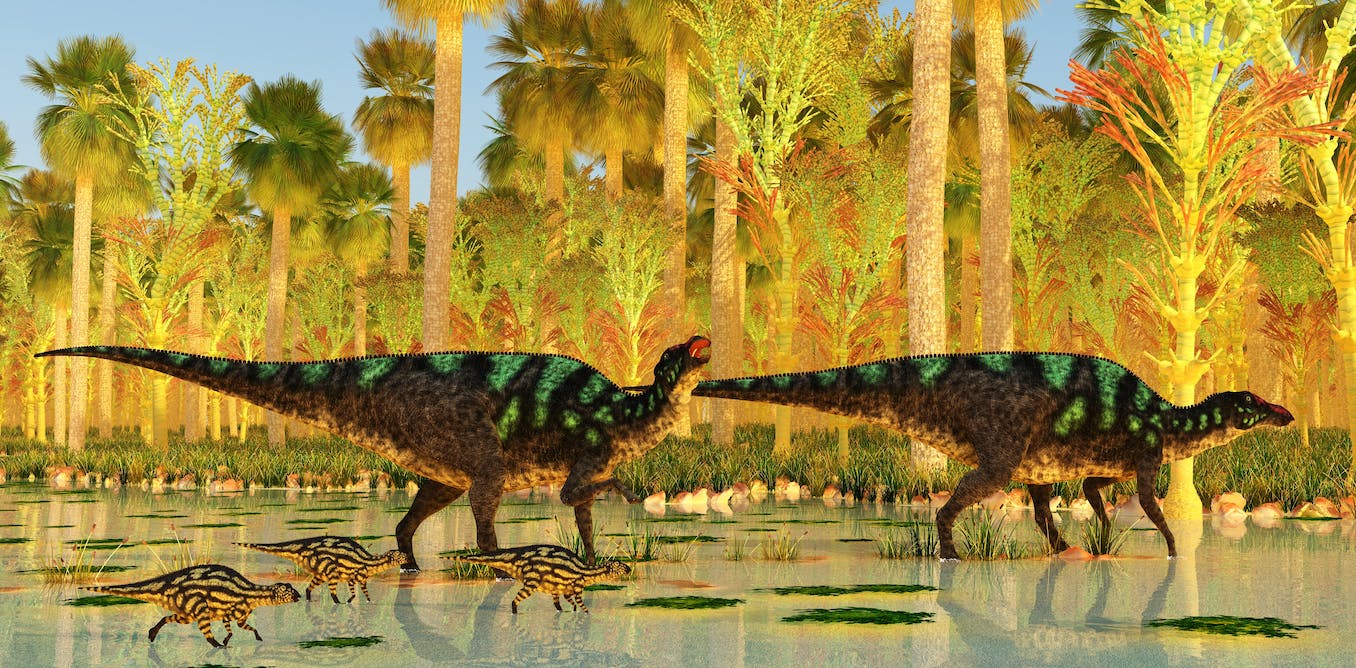
New research on the bones of Maiasaura, a minibus-sized dinosaur, reveals that these creatures were warm-blooded and highly active, capable of rapid growth and levels of activity comparable to modern mammals. By studying the bones of juvenile Maiasaura, researchers found that the size of the foramen, a hole through which blood enters the bone, was an indirect measurement of blood flow rate and energy usage. The study showed that young Maiasaura had significantly higher blood flow rates and required more energy and nutrients for bone growth compared to adults. These findings support the idea that dinosaurs were warm-blooded and active animals.

Scientists Puzzled by Warm-Blooded Filter-Feeding Shark
marine-biology3 years ago

Scientists Puzzled by Warm-Blooded Filter-Feeding Shark

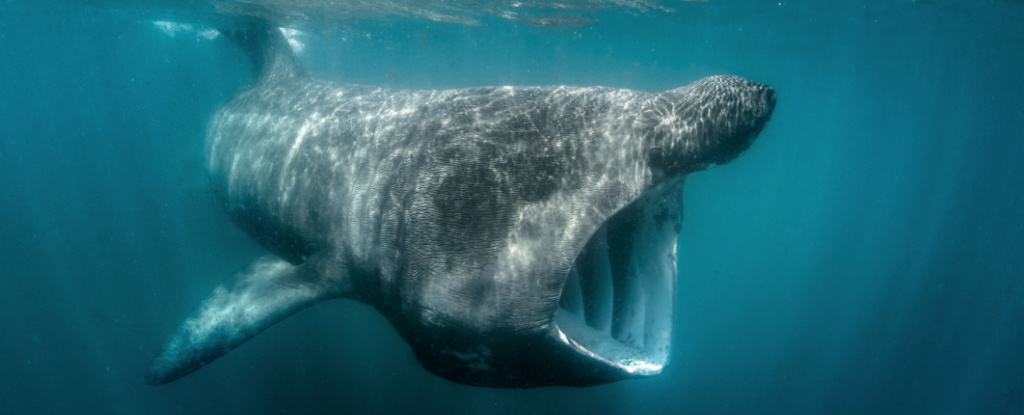
Scientists have discovered that basking sharks, typically considered cold-blooded, exhibit elevated body temperatures while swimming, challenging our understanding of fish physiology. Previously, warm-bloodedness was thought to be limited to apex predators, but this study shows that it can also occur in large, passive-feeders like basking sharks. The sharks' ability to maintain higher blood pressure and blood flow, facilitated by compact muscle around their hearts, may allow them to migrate and feed more efficiently in colder waters. The reasons behind their warm-bloodedness and its advantages are still unclear, highlighting the need for further research on shark species for effective conservation strategies.

Unraveling the Mystery: Megalodon's Demise Takes a Step Closer to Discovery
science3 years ago

Unraveling the Mystery: Megalodon's Demise Takes a Step Closer to Discovery

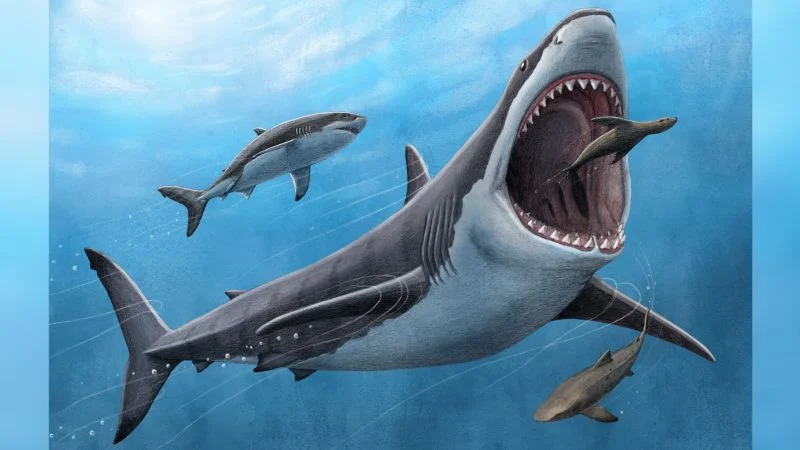
Scientists have discovered that the megalodon, an extinct shark species, was partially warm-blooded based on an analysis of fossilized teeth. The study suggests that this trait played a role in the shark's massive size and eventual extinction. Megalodons were regionally endothermic, able to regulate temperature in certain parts of their bodies, similar to modern great white and mako sharks. The researchers believe that the need to constantly regulate body temperature may have contributed to the megalodon's downfall as the Earth's temperature cooled. The study highlights the vulnerability of large apex predators, such as the modern great white shark, to climate change.

"Megalodon: The Warm-Blooded Giant Shark That Met Its Demise"
paleontology3 years ago

"Megalodon: The Warm-Blooded Giant Shark That Met Its Demise"

Analysis of the mineral makeup of megalodon's teeth confirms that the ancient shark was warm-blooded, a trait that likely contributed to its success and eventual extinction. Researchers estimate that megalodon had an average body temperature of about 81 degrees Fahrenheit (27 degrees Celsius), allowing it to be a dynamic predator and tolerate colder waters. While warm-bloodedness may have provided advantages, such as a broader range and efficient digestion, it also required a high food intake to sustain metabolism. The decline in ocean temperatures and sea levels, potentially leading to scarcity of its prey, may have contributed to megalodon's extinction. The study provides the first empirical evidence of megalodon's warm-bloodedness, shedding light on the enigmatic species that is primarily known through its teeth and a few vertebral specimens in the fossil record.