Tag

Fossil Analysis

All articles tagged with #fossil analysis

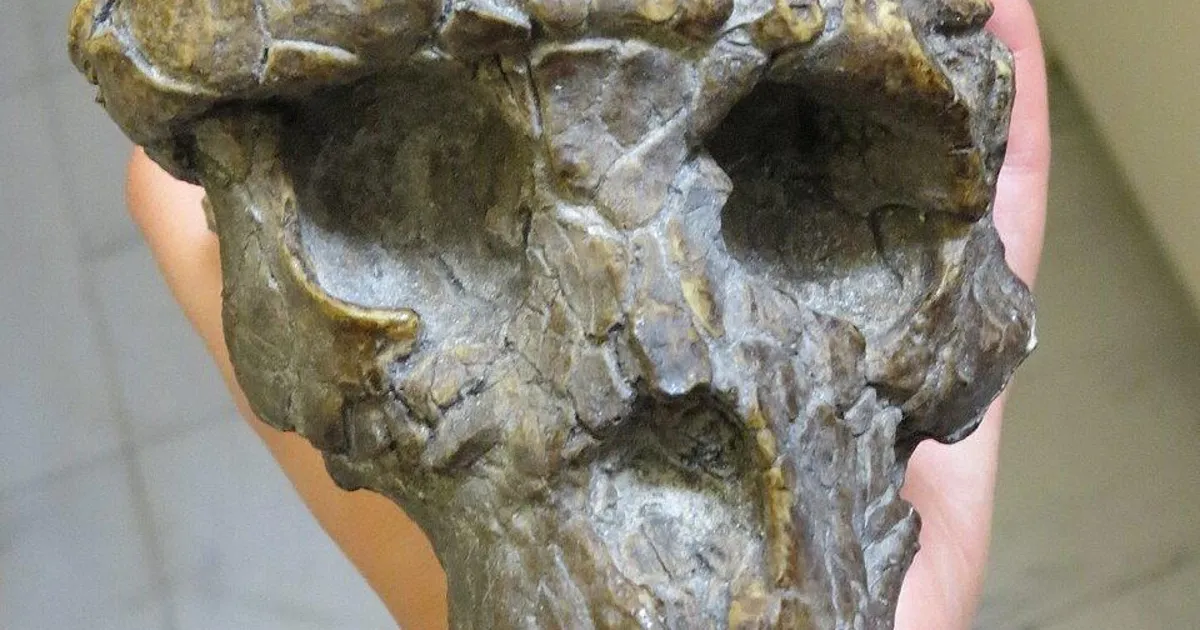
Protein Analysis Confirms Xujiayao Fossils as Denisovans, Defining Their Physical Traits
science1 month ago

Protein Analysis Confirms Xujiayao Fossils as Denisovans, Defining Their Physical Traits

Researchers have confirmed that fossils from Xujiayao, China, belong to the Denisovan lineage using ancient protein analysis. This study provides the first clear morphological framework for identifying Denisovans, revealing distinct physical traits such as massive brow ridges and flat faces. The findings resolve a 16-year debate regarding the classification of these archaic humans in East Asia.
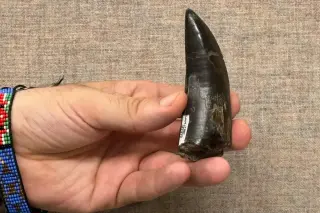
New Fossil Evidence Redefines T. Rex as a Warm-Blooded, Social Predator
science1 month ago

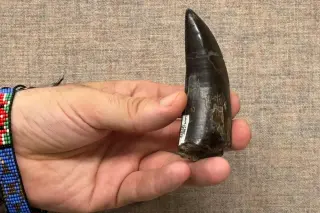
New Fossil Evidence Redefines T. Rex as a Warm-Blooded, Social Predator

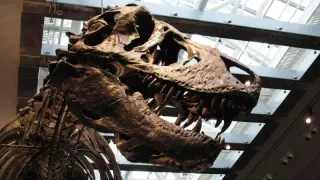
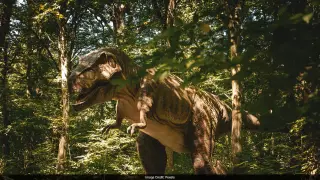
Recent studies confirm T. rex maintained a stable body temperature of approximately 97°F, similar to humans and elephants, indicating warm-blooded metabolism. New fossil evidence suggests these massive predators were largely solitary but engaged in complex social behaviors, including courtship displays and parental care, while hunting via ambush rather than high-speed chases.

Isotope analysis of fossil teeth reveals T. rex maintained a human-like body temperature
science2 months ago

Isotope analysis of fossil teeth reveals T. rex maintained a human-like body temperature

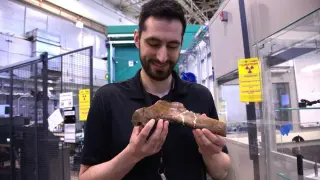
A new study published in Science Advances uses isotope analysis of fossilized teeth to determine that Tyrannosaurus rex had a body temperature of approximately 36°C (97°F), similar to modern humans and elephants. This finding confirms T. rex was warm-blooded and capable of thriving in diverse climates, including Arctic regions, challenging older views of dinosaurs as sluggish reptiles.

Tooth chemistry reveals T. rex body temperature was 97°F, confirming warm-blooded status
science2 months ago

Tooth chemistry reveals T. rex body temperature was 97°F, confirming warm-blooded status

A new study in Science Advances confirms Tyrannosaurus rex was warm-blooded by analyzing carbon-oxygen isotopes in fossil teeth. Researchers determined the dinosaur’s body temperature was approximately 97°F (36°C), similar to humans and large mammals. This finding resolves a decades-long debate about dinosaur metabolism and supports the theory that T. rex could thrive in cold climates, such as the Arctic, unlike cold-blooded reptiles.

New Fossil Evidence Rewrites the History of Ten Extinct Species
science2 months ago

New Fossil Evidence Rewrites the History of Ten Extinct Species

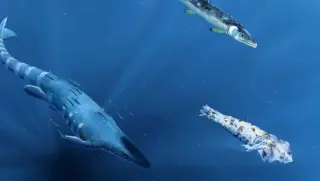
Recent scientific studies have overturned long-held assumptions about ten extinct species. Evidence suggests cave lions interbred with modern lions, T. rex hatchlings were smaller and precocial, and the dodo possessed a brain structure similar to modern pigeons rather than being unintelligent. Other findings indicate megalodon may have had a slender body, the California grizzly was primarily herbivorous, and the Balearic cave goat exhibited reptile-like growth patterns. These discoveries challenge popular narratives derived from media and historical accounts, highlighting how new data reshapes our understanding of prehistoric life.

Scientists Reconstruct Jurassic Forest Soundscape Using Fossilized Insect Wings
science2 months ago

Scientists Reconstruct Jurassic Forest Soundscape Using Fossilized Insect Wings

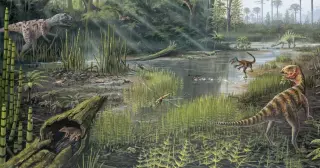
An international team of scientists has reconstructed the sounds of 165 million-year-old Jurassic forests by analyzing fossilized wings of nine prehistoric insect species. Published in the Proceedings of the National Academy of Sciences, the study uses computer modeling and machine learning to replicate the chirps, trills, and clicks of ancient crickets and katydids. The research challenges the prevailing theory that bats drove the evolution of ultrasonic insect communication, suggesting instead that insects developed high-frequency calls to avoid acoustic interference and predation by early mammals. This scientific reconstruction offers a more accurate auditory picture of the past than previous Hollywood-inspired guesses and has already been utilized to enhance the realism of the Netflix documentary series 'The Dinosaurs.'

New Pelvis Analysis Suggests Homo floresiensis Walked More Like Modern Humans
anthropology2 months ago

New Pelvis Analysis Suggests Homo floresiensis Walked More Like Modern Humans

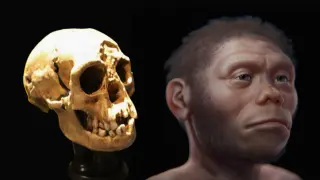
A new study of the pelvis of Homo floresiensis, often called the 'hobbit,' indicates the species walked more like modern humans than previously believed. Researchers used micro-CT scans to analyze the hip bones of an adult female fossil from Flores, Indonesia, dated between 100,000 and 60,000 years ago. The findings show that nearly all pelvic features fall within the range of Homo sapiens, suggesting a more efficient upright gait than earlier estimates implied. However, the species likely moved slower and may have still used trees, as they were not built for long-distance travel. This new data adds to the debate over the origins of this small-bodied human relative, which remains unresolved.

Taiwan fossils suggest some Denisovans were giants, but experts urge caution
science3 months ago

Taiwan fossils suggest some Denisovans were giants, but experts urge caution

New analysis of leg bones dredged from the seafloor off Taiwan suggests some Denisovans were exceptionally tall, with one individual estimated at 1.9 meters. While these findings challenge previous assumptions about body size in tropical regions, researchers warn that the lack of geological context and small sample size limit definitive conclusions.

CT Scans Reveal Crocodilian Brains Have Barely Changed in 100 Million Years
science3 months ago

CT Scans Reveal Crocodilian Brains Have Barely Changed in 100 Million Years

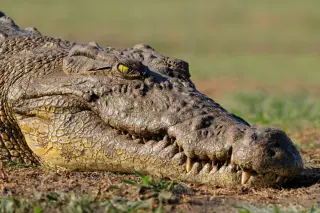
New research published in the Journal of Anatomy indicates that the brains of crocodiles and their close relatives have remained structurally stable for over 100 million years. By using advanced CT scanning on 43 extant and extinct species, scientists from the Swedish Museum of Natural History found that the core brain design of these reptiles has not required significant modification despite surviving multiple mass extinctions. This stability suggests the original evolutionary design was highly effective, allowing these predators to thrive while other vertebrates went extinct. The study also utilized internal skull structures to distinguish between fossil species that appeared externally similar.