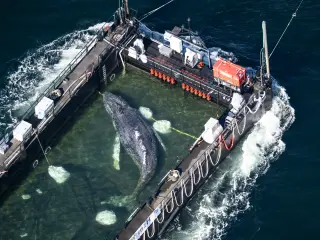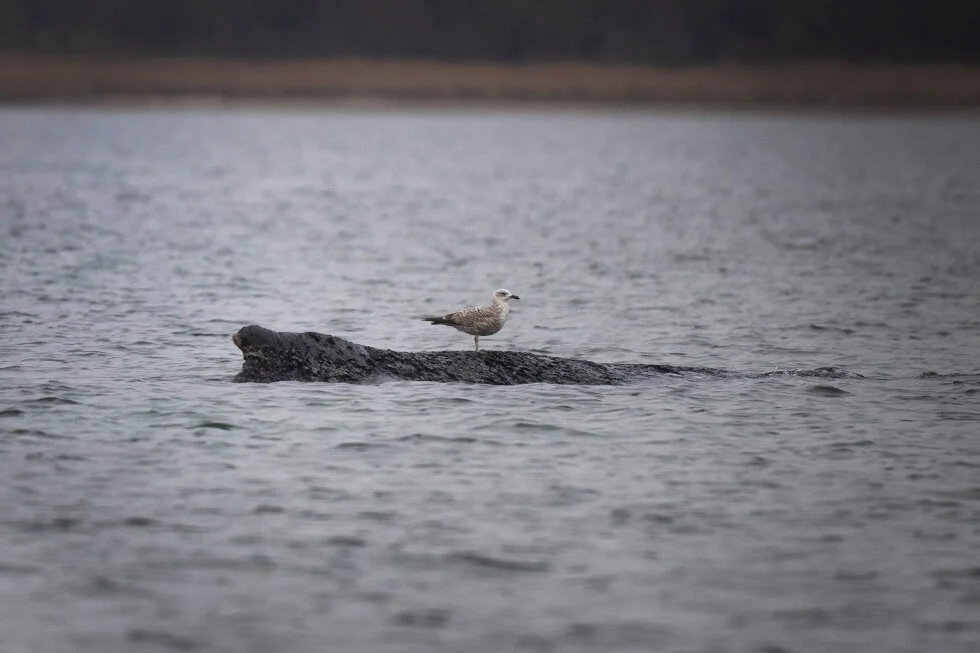
A humpback whale stranded on a sandbank in Germany’s Baltic Sea (Bay of Wismar) shows signs of weakening as hopes fade that it will make it back to the Atlantic, with environmentalists nearby and scientists monitoring the situation after it was freed from the shore the night before.
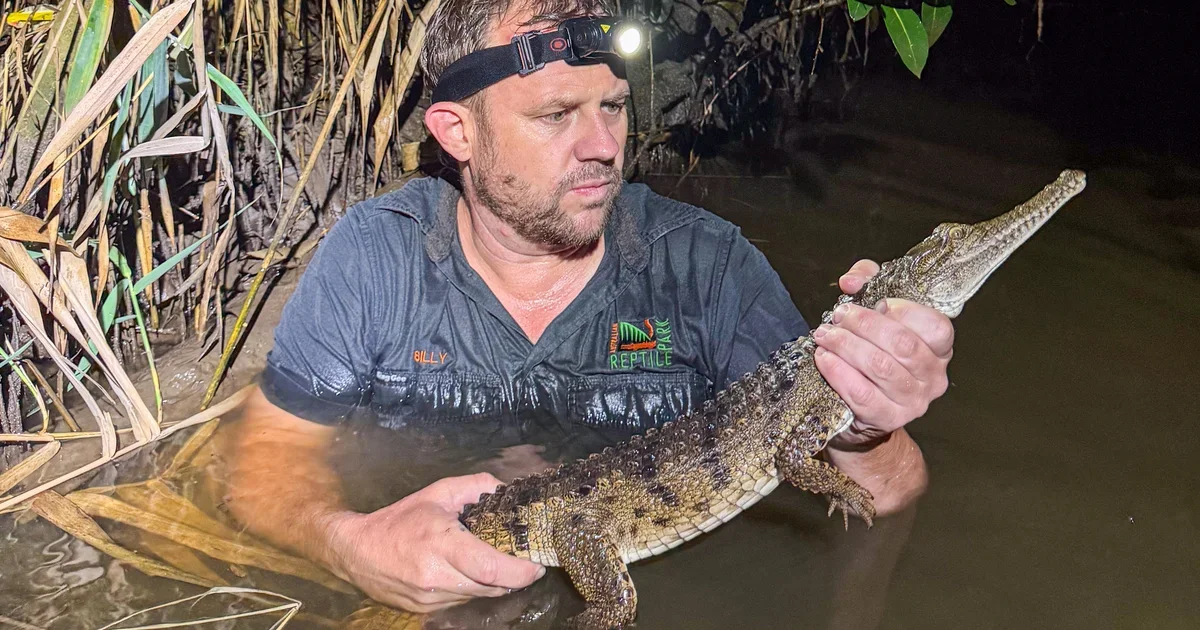
A 12-year-old in Newcastle, Australia, reported a juvenile freshwater crocodile in Ironbark Creek—about 1,200 miles from the species’ tropical range. After initial doubt, authorities confirmed the sighting, and the croc was captured two miles from the original report and taken to the Australian Reptile Park for care while officials decide its permanent home. The animal, Crocodylus johnstoni, is protected by law, and police suspect it may have been released from a pet, though it remains potentially dangerous.
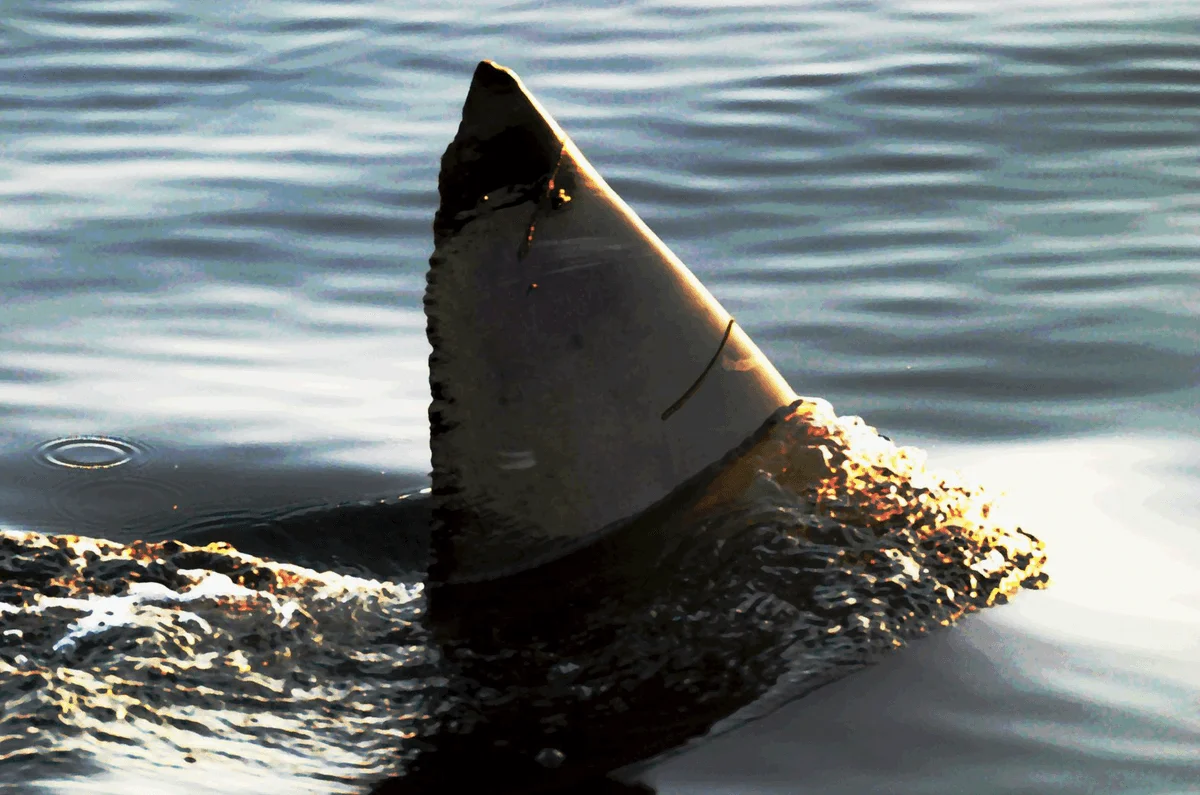
In 2004, a four-meter female great white named Gretel wandered into a small saltwater pond off Naushon Island, Massachusetts. After two weeks of failed lures, scientists and local fishers used nets and high-powered water pumps to herd her from the pond, through the bay’s sandbars and boulder fields, into the deep water of Vineyard Sound; the satellite tag later malfunctioned, but the episode helped dispel myths about sharks and underscored their fascination rather than fear.
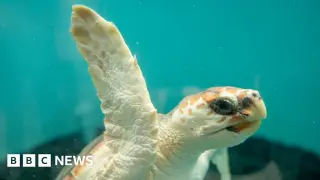
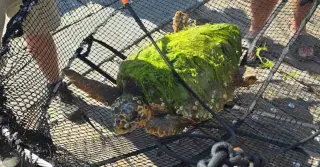
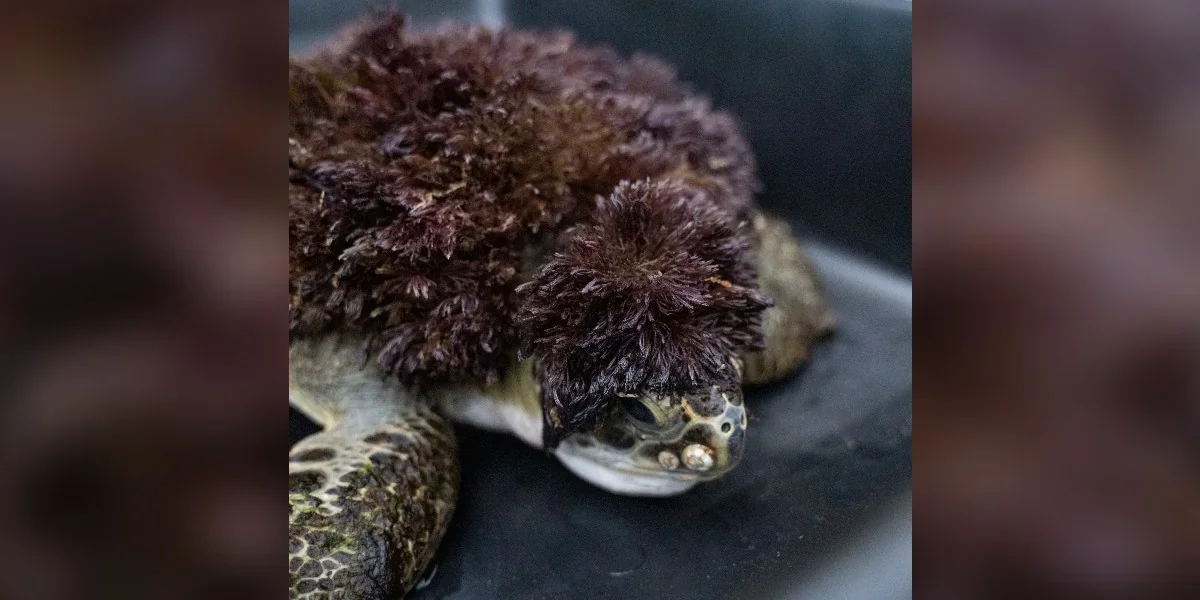
A juvenile green sea turtle nicknamed Bob Moss was rescued in Vero Beach, Florida, arriving at Coastal Connections covered in red algae. Although initially thought to be cold-stunned, rescuers later found he sustained a fatal boat-strike injury and he died at the center. The case highlights the deadly impact of boat strikes on sea turtles (thousands die yearly) and reflects how more than half of Coastal Connections’ rescues involve strikes, underscoring the need for slower speeds in turtle zones and safer boating practices.
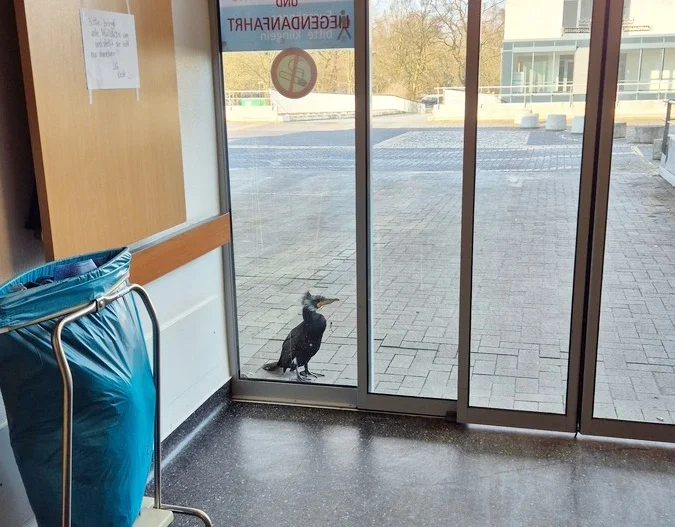
An injured cormorant with a triple fishing hook stuck in its beak sought help by pecking at the glass doors of the emergency department at Klinikum Links der Weser in Bremen. Medical staff and Bremen firefighters removed the hook, treated the wound, and released the bird back into the hospital park.
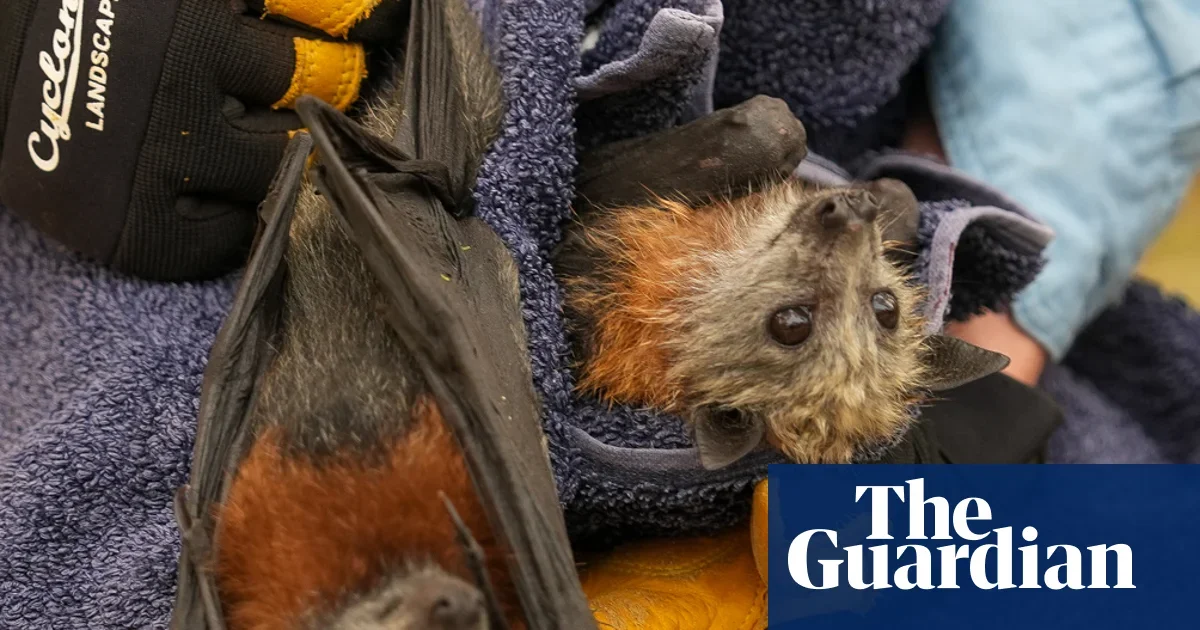
Thousands of grey-headed flying foxes have died across South Australia, Victoria and New South Wales during a severe heatwave—the worst mass mortality since the 2019-20 black summer—with estimates ranging from about 1,000–2,000 in SA, thousands in Victoria, and up to 1,000 in NSW. Volunteers rescued some pups, but many orphans face death from heat stress, starvation or predation, while researchers note that temperatures above 42°C dramatically reduce survival and nectar availability. Public should not handle distressed bats; wildlife groups report stretched capacity and no national rescue strategy, underscoring wildlife vulnerability to extreme heat amid climate change.
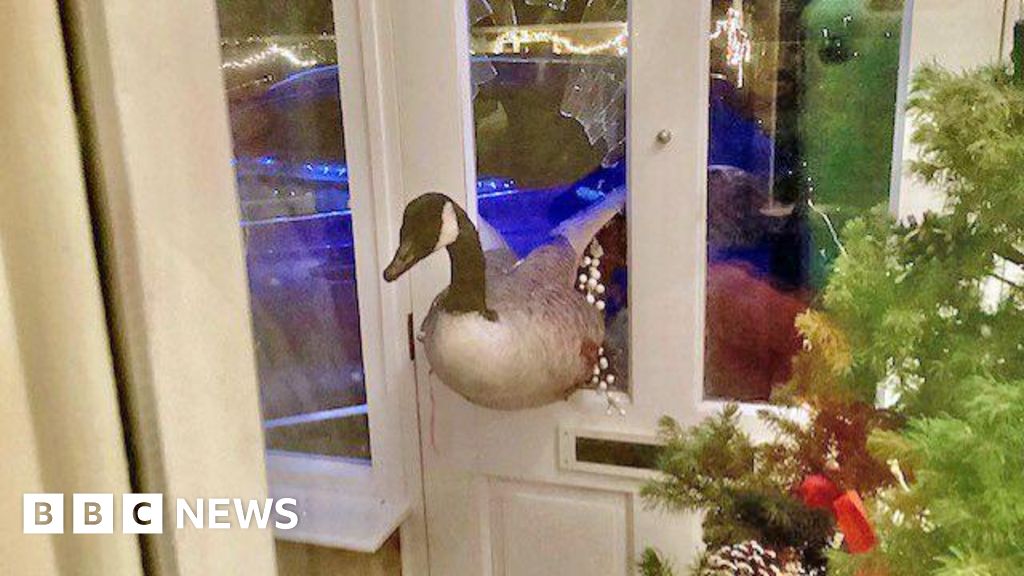
A woman in Countesthorpe was terrified when a Canada goose crashed through her front door, but wildlife rescuers later confirmed the bird was only lightly injured and would be released back into the wild after treatment.
A man in Georgia is receiving rabies treatment after being bitten by an injured raccoon he attempted to rescue, highlighting the dangers of handling wild animals without proper precautions and the importance of professional intervention. The raccoon tested positive for rabies, which is nearly always fatal once symptoms appear, emphasizing the risks involved in wildlife rescue efforts.
A woman in Mississippi shot and killed an escaped rhesus monkey out of fear for her children's safety after a truck carrying the monkeys overturned, leading to a search for the remaining animals. The monkeys, housed at Tulane University, were part of a research facility and most were killed in the crash, with authorities confirming the surviving monkey was taken into custody.
A stranded flying fox named Angelica was rescued near Brisbane, Australia, after a passerby noticed her struggling on the ground. She was treated for injuries and is now recovering, highlighting the importance of community involvement in wildlife rescue and the ecological role of bats as pollinators and seed dispersers.
Boots, a fox with neurological damage and an inability to hunt, has been deemed too friendly and unsuitable for release into the wild, leading to his care at Newhouse Wildlife Rescue where he enjoys human companionship and belly rubs, highlighting the challenges of caring for injured or atypical wild animals.
A paddleboarder in Florida rescued an osprey trapped in fishing line, leading to its treatment and recovery at a wildlife hospital, highlighting the importance of responsible fishing practices to protect wildlife.
Two sisters in Michigan rescued a domestic duck named Frida that was trapped underwater with her neck caught on a branch, saving her from potential injury and helping her find safety at a sanctuary, highlighting the importance of wildlife rescue efforts.
After the death of her beloved schnauzer Remington, Jennifer Starr received comforting signs, including a baby bird with eyebrows resembling Remington and a heart-shaped rock with a schnauzer profile, which helped her feel connected to her late pet. The arrival of a new schnauzer, Grady, further brought peace and healing, symbolizing Remington's ongoing presence in her life.
A black bear crashed through the ceiling into a Kentucky home and was found sitting on the stove before being safely returned to the wild by authorities.