Tag

Wim Wenders

All articles tagged with #wim wenders

Wim Wenders Withdraws 1975 Film Wrong Move After Kinski Plea
entertainment1 month ago

Wim Wenders Withdraws 1975 Film Wrong Move After Kinski Plea

Wim Wenders has withdrawn his 1975 film Wrong Move from circulation after Nastassja Kinski, who was filmed topless in the film at age 13, urged its removal; the Wim Wenders Foundation will halt all current distribution and exhibition, with streaming and TV partners instructed to stop access. Wenders apologized to Kinski and called for a broader dialogue on handling controversial material from cinema history.

Wim Wenders pulls 1975 film over controversial topless scene involving 13-year-old Kinski
entertainment1 month ago

Wim Wenders pulls 1975 film over controversial topless scene involving 13-year-old Kinski

Director Wim Wenders has withdrawn his 1975 film Wrong Move from distribution after the film’s scene featuring then-13-year-old Nastassja Kinski topless drew scrutiny. Kinski has long expressed discomfort about the scene, and Wenders apologized, saying the film will not be shown again until a mutually agreed solution with Kinski is reached.

Wenders Withdraws The Wrong Move Over Controversial Nude Scene
entertainment1 month ago

Wenders Withdraws The Wrong Move Over Controversial Nude Scene

Wim Wenders has pulled his 1975 film The Wrong Move from circulation due to a controversial nude scene featuring Nastassja Kinski at age 13. The Wim Wenders Foundation says streaming and distribution partners will be instructed to cease access, and Wenders has not committed to re-editing the film, though he reflected that he would not shoot the scene today.

Wenders pulls Wrong Move over Nastassja Kinski’s teen topless scene
culture1 month ago

Wenders pulls Wrong Move over Nastassja Kinski’s teen topless scene

Renowned director Wim Wenders intends to block access to his 1975 film Wrong Move after Nastassja Kinski, filmed topless at age 13, urged changes. Wenders apologized unreservedly, announcing the film will be withdrawn from all current distribution and exhibition, with streaming services, TV broadcasters, and partners instructed to cease public access. He plans broad dialogue with film institutions and will only make the film available again after reaching a mutually agreed solution that includes Kinski. Kinski’s lawyer welcomed the decision but noted it followed public pressure.

Berlinale 2026: Cinema Has Always Been Political
culture4 months ago

Berlinale 2026: Cinema Has Always Been Political

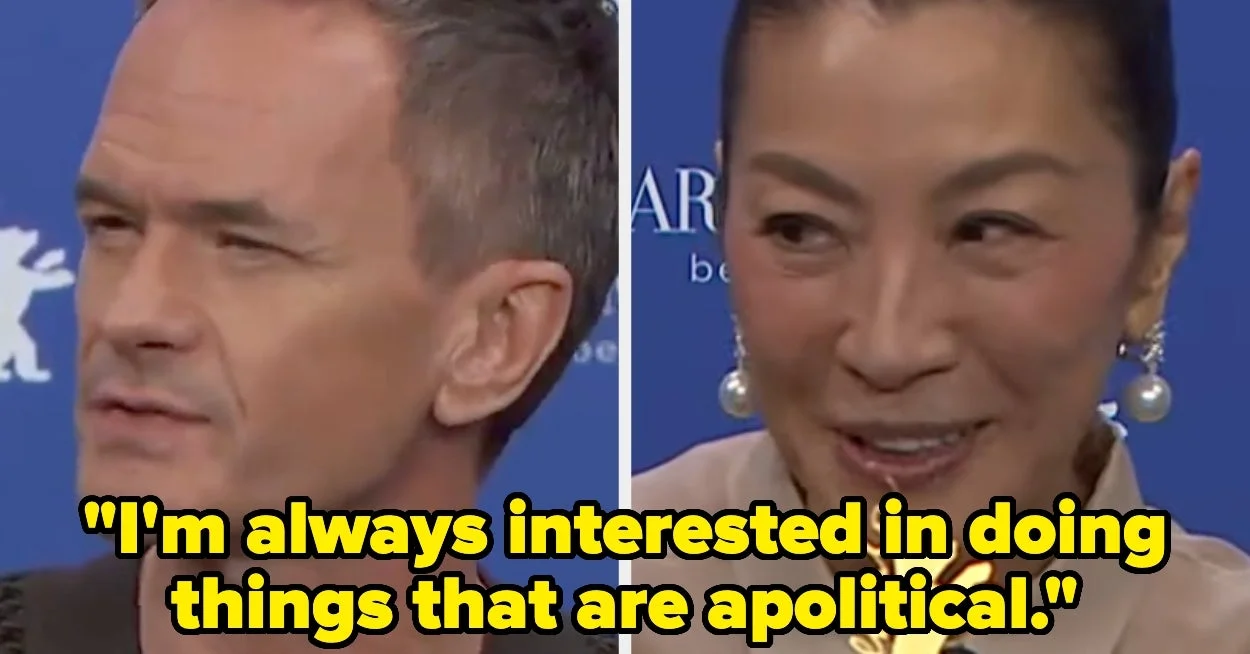
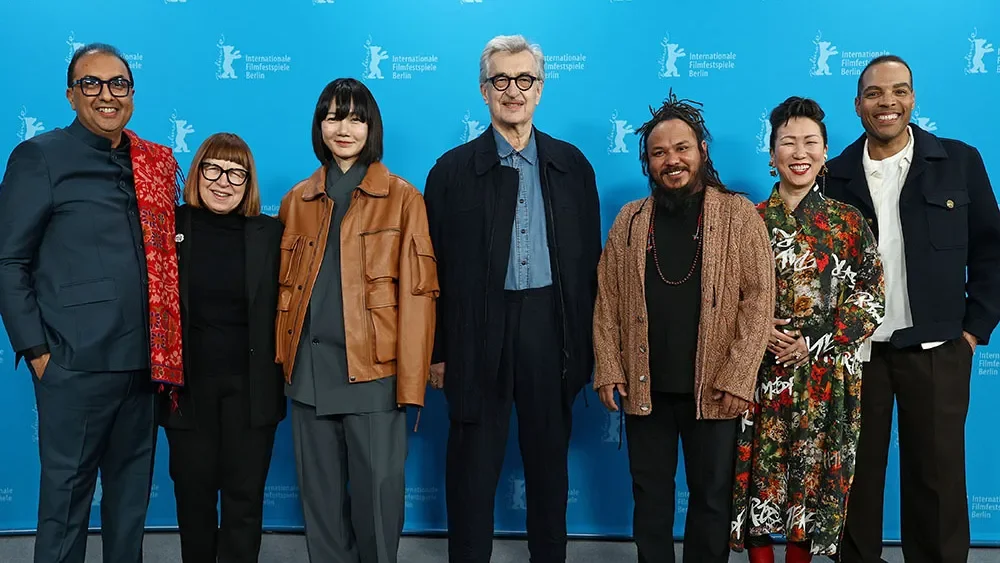
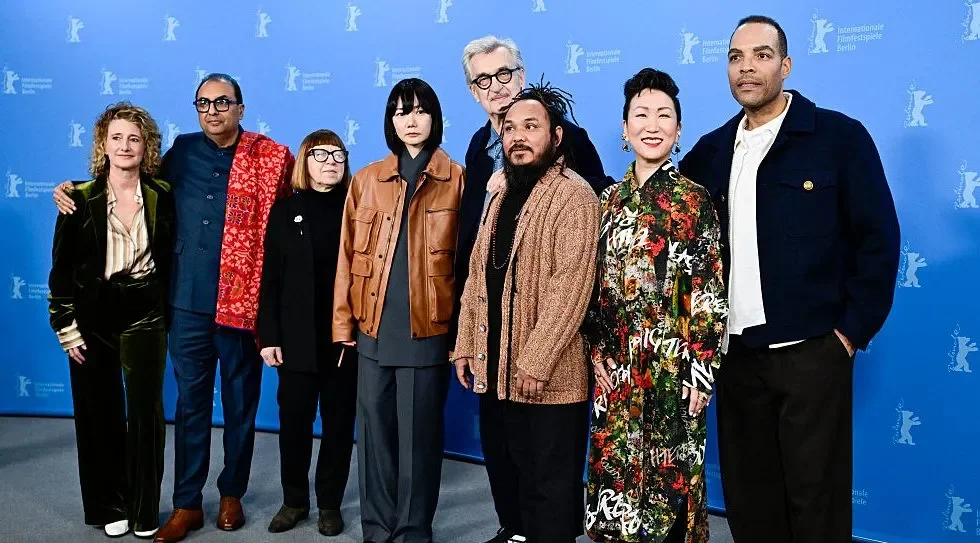
A tense Berlinale 2026 underscored the idea that film festivals are inherently political. After jury president Wim Wenders claimed cinema’s ‘counterweight’ to politics, the festival faced government scrutiny, open letters, and high-profile protests, culminating in politically charged winners like İlker Çatak’s Yellow Letters and Emin Alper’s Salvation. The closing ceremonies included Palestinian and Gaza-related remarks, highlighting Berlin’s history as a politically engaged festival hub and illustrating the ongoing tension between funders, state policy, and artists. The piece argues that politics and cinema are inseparably intertwined, and that festivals must navigate official power while still providing space for politically engaged work.

Wenders: Cinema Outlasts the Internet at Berlinale
film4 months ago

Wenders: Cinema Outlasts the Internet at Berlinale

At Berlinale’s awards ceremony, Wim Wenders responded to the festival-wide politics controversy by arguing cinema is a distinct, empathetic language that can complement activism and the internet rather than clash with it, urging filmmakers and activists to collaborate. The ceremony highlighted politically charged films, including Chronicles From a Siege, Yellow Letters, and Salvation, while Wenders emphasized cinema’s enduring power beyond the internet’s short attention span.

Berlinale Jury Stands by Free Speech Amid Gaza War Debate
world5 months ago

Berlinale Jury Stands by Free Speech Amid Gaza War Debate

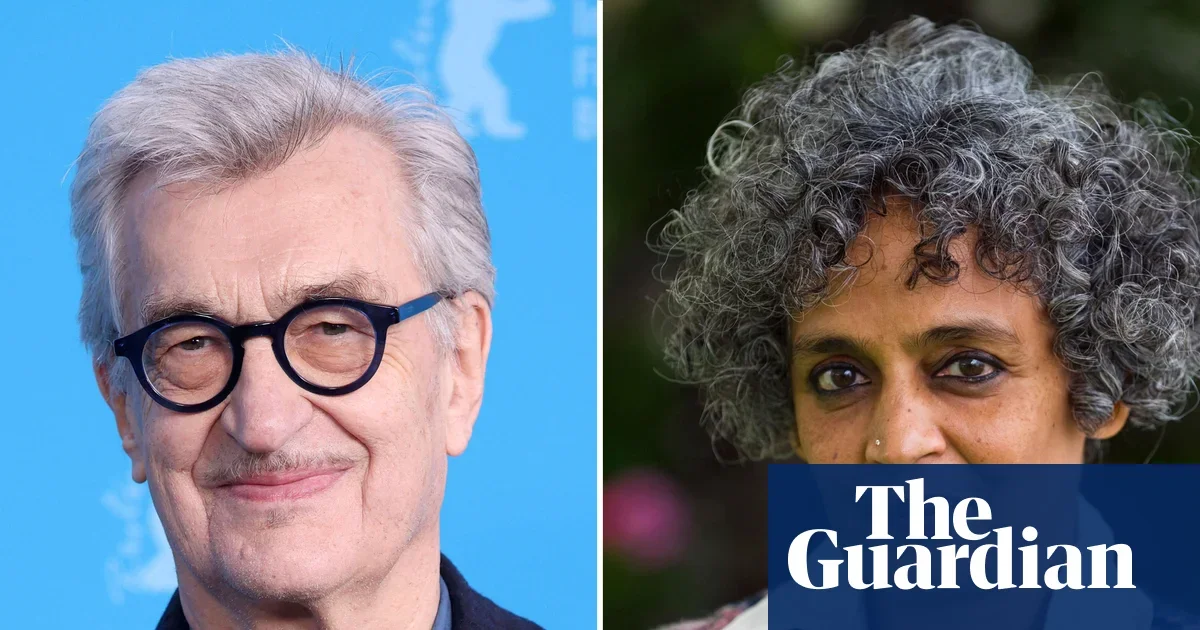
Berlinale director Tricia Tuttle defended the festival’s jury’s right to discuss politics after they declined to condemn Israel’s Gaza actions as genocide, following Wim Wenders’ call for filmmakers to stay out of politics. The opening controversy drew backlash, including Arundhati Roy withdrawing a film; Tuttle emphasized that free speech exists at Berlinale and that artists shouldn’t be forced to boil complex issues down to sound bites.

Berlinale Defends Jury Amid Backlash Over Political Questions
entertainment5 months ago

Berlinale Defends Jury Amid Backlash Over Political Questions

The Berlinale issued a lengthy defense of its filmmakers and jury, notably jury president Wim Wenders, after a media storm over remarks suggesting filmmakers should stay out of politics; Arundhati Roy cancelled her visit in protest. Festival chief Tricia Tuttle contributed a reflection on 'Speaking, Cinema and Politics,' affirming artists’ right to free expression and saying they should not be pressured to comment on every political issue, while the festival continues to showcase diverse perspectives across 278 films.

"Martin Scorsese Reflects on Cinema's Evolution and Receives Honorary Golden Bear at Berlin Film Festival"
entertainment2 years ago

"Martin Scorsese Reflects on Cinema's Evolution and Receives Honorary Golden Bear at Berlin Film Festival"

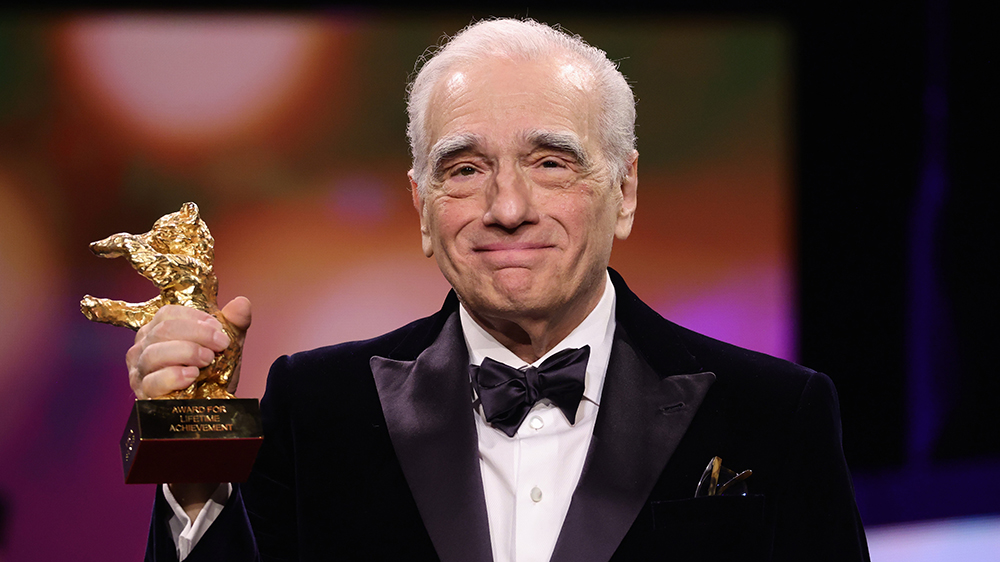
Martin Scorsese received the honorary Golden Bear at the Berlin Film Festival, reflecting on his career and teasing a return to the festival in the future. German director Wim Wenders introduced Scorsese with a humorous anecdote, and Scorsese discussed the impact of film festivals on his career, emphasizing the importance of the filmmaking community. He expressed gratitude for being part of the ongoing conversation in cinema and hinted at continuing to make films in the future.

"Finding Joy in Unexpected Places: Wim Wenders' 'Perfect Days' and the Poetry of Tokyo's Toilets"
film2 years ago

"Finding Joy in Unexpected Places: Wim Wenders' 'Perfect Days' and the Poetry of Tokyo's Toilets"

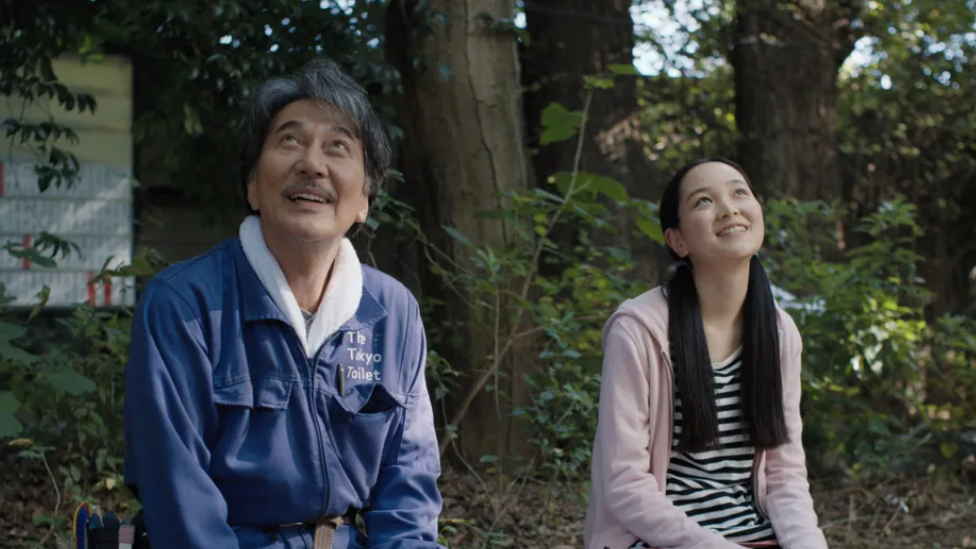
Wim Wenders' latest film "Perfect Days" explores the theme of finding beauty in life's limitations through the story of a Tokyo-based toilet cleaner, Hirayama, played by Kōji Yakusho. The film, shot entirely in Japanese, presents a sentimental fable that questions how to live in the face of need, loneliness, and disappointment. While the portrayal of Hirayama's seemingly perfect days may flirt with glibness, the movie ultimately nudges viewers toward appreciating transient beauty in the flawed world, making their days better.