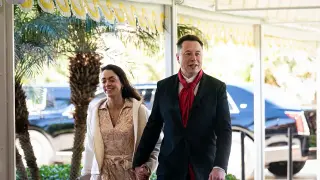
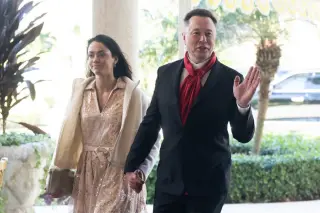
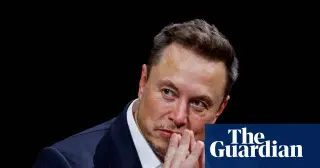
Elon Musk and Shivon Zilis have ended their romantic relationship following a sudden split announced on October 2, 2026. Zilis, a Neuralink executive and mother of four of Musk’s children, stated the breakup occurred 'with no warning' after Musk unfollowed her on X. While Zilis expressed gratitude for the relationship and hoped for continued co-parenting, the split highlights the complex personal dynamics of the tech mogul, who has fathered 14 children with multiple partners.
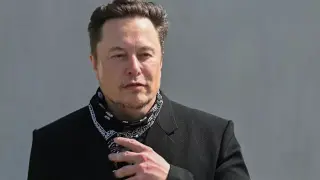
Shivon Zilis, a Neuralink executive and mother of four of Elon Musk’s children, publicly announced the end of their romantic relationship on October 2, 2026. She stated the split occurred suddenly, with no warning, following Musk’s decision to unfollow her on X. Zilis expressed gratitude for their shared children and wished for a continued friendship and co-parenting relationship. The announcement highlights the complexity of Musk’s personal life, which includes multiple partners and 14 publicly reported children.
Shivon Zilis, a Neuralink executive and mother of four of Elon Musk’s children, publicly announced the end of their relationship on October 2, 2026. She stated the split occurred 'with no warning' within one week, following Musk’s decision to unfollow her on X. Zilis expressed deep gratitude for their children and wished for a continued friendship, while including a screenshot of a private text exchange regarding a dinner with Chinese President Xi Jinping.
The European Commission has pledged to defend a 120 million euro fine against social media platform X after the US Department of Justice officially intervened in the case. The US government argues the EU’s Digital Services Act improperly targets American companies outside its jurisdiction, while Brussels maintains it is enforcing its laws objectively. This dispute escalates transatlantic tensions over tech regulation, with the EU citing evidence of deceptive design practices on X, specifically regarding its verification system.
The US Department of Justice has officially intervened in Elon Musk’s legal challenge to annul a €120 million fine imposed by the European Commission on his social media platform, X. The US argues that the EU’s Digital Services Act improperly extends regulatory authority to American companies outside its jurisdiction, characterizing the fine as 'overseas extortion.' The European Commission, which issued the penalty in December 2025 for breaches of transparency and data access rules, maintains that it is defending its digital standards and is prepared to defend its position in the EU’s General Court in Luxembourg.
The US Department of Justice has officially joined Elon Musk’s legal challenge to annul a €120 million fine imposed by the European Commission on his social media platform, X. Filed with the EU’s General Court in Luxembourg, the intervention argues that Brussels improperly extended its regulatory authority to American entities not operating within its jurisdiction. The DOJ contends the fine calculation was flawed by including global revenue from Musk’s other ventures, such as SpaceX and xAI, rather than just X’s earnings within the EU. This move escalates a transatlantic dispute over tech regulation, with Washington characterizing the EU’s Digital Services Act as 'overseas extortion.' The original penalty, issued in December 2025, cited violations regarding transparency, data access, and the design of X’s verification system. While the EU defends its rules as necessary for digital standards, the US administration, including Vice President JD Vance, has criticized the fines as infringing on free speech and unfairly targeting American innovation. The case is part of a broader pattern of conflicts, including Apple’s appeal of a €500 million fine under the Digital Markets Act, highlighting growing tensions between Brussels and US tech giants.
The US government has officially joined Elon Musk's legal challenge to annul a €120 million fine imposed by the European Union on his social media platform, X. The Department of Justice filed an application with the EU's General Court in Luxembourg, arguing that Brussels improperly extended its regulatory authority to American companies not operating within its jurisdiction. This move escalates a transatlantic dispute over tech regulation, with Washington characterizing the EU's Digital Services Act as 'overseas extortion' that unfairly targets US innovation. While the EU defends its rules as necessary for digital standards, the US contends the fine calculation improperly included revenue from Musk's other global ventures, such as SpaceX and xAI.
Elon Musk pledged that removing child sexual abuse material would be X’s top priority, but investigations by the Canadian Center for Child Protection and The New York Times show the platform still hosts CSAM. The CCPC found X’s Grok AI chatbot generated dozens of sexualized images of children, and The Times found CSAM posted on the site in the first half of the year, including content already flagged by authorities, underscoring gaps in moderation and automated filtering.
Elon Musk attacked director Alex Gibney after a four-hour, highly critical documentary about his life, calling it a “hit piece” and excessively long and boring, while Gibney defended the film at Venice. Musk also denied an NDA claim by Ashley St Clair and amplified a critique from Katie Miller, highlighting his continued influence on public discourse via X.
A high‑quality bootleg of Universal’s The Odyssey circulated on X after a viral post, pulling in more than 2 million views within a few hours before a takedown notice and suspension of the post; the leak comes as the film continues strong at the box office in its second weekend.
Elon Musk and Sam Altman publicly spar on X after Apple files a lawsuit against OpenAI for alleged trade-secret theft, reviving their long-running feud over OpenAI’s shift from nonprofit to for-profit; Musk calls Altman a scam while Altman jokingly notes Musk’s obsession with his new OpenAI model as both push competing AI projects and commentary on industry moves.
A proposed class-action accuses X and its Grok AI of enabling the creation of about 7,000 AI-generated sexual images of a minor and of obstructing law enforcement investigations, contributing to the stepfather’s suicide and ongoing trauma for the victim. The amended complaint adds Stability AI as a defendant and alleges lax safeguards and failure to share user data hindered police, with NCMEC data cited to show many AI-generated CSAM reports are not actionable. The suit argues platforms must tighten safeguards to prevent AI-assisted child exploitation.
Google has sunset the Tenor GIF API as of June 30, 2026, ending third-party access to the GIF library used by X and Discord; Tenor remains for Google apps, while platforms migrate to Klipy and other providers, meaning changes in GIF availability and the loss of saved GIFs from third-party integrations.
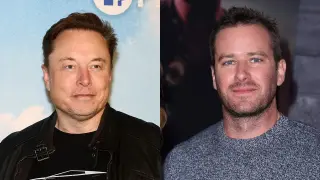
Elon Musk posted Armie Hammer’s banned film Citizen Vigilante on X for 48 hours after Germany refused to grant it an age rating; filmmaker Uwe Boll also shared the movie, it was later removed from accounts, and a sequel is planned for 2027.
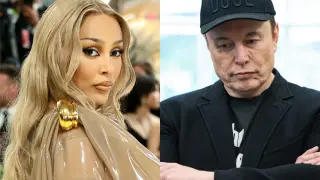
Doja Cat publicly urged Elon Musk to reinstate X’s audio post feature, posting a series of insults on the platform. Musk has not responded, continuing a history of online feuds between the two (and past clashes with Billie Eilish); the audio-post feature’s return remains uncertain.