OpenAI says GPT-5.6, offered in Sol, Terra, and Luna, will publicly launch this Thursday (July 9, 2026) after a government review, with expanded global preview access and a new naming scheme that separates model generation from capability tier.
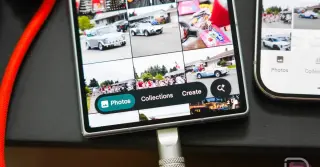
Google Photos is beginning to roll out an iOS-style floating bottom bar on Android, adding quick-access options for Photos, Collections, Create, and a separate Search button. The update is currently phased, with some devices like Galaxy Z Fold 7 seeing the new UI while others such as Pixel 10 Pro still run the old layout; the change appears to be a styling update shared with other Google apps and will spread with the rollout.
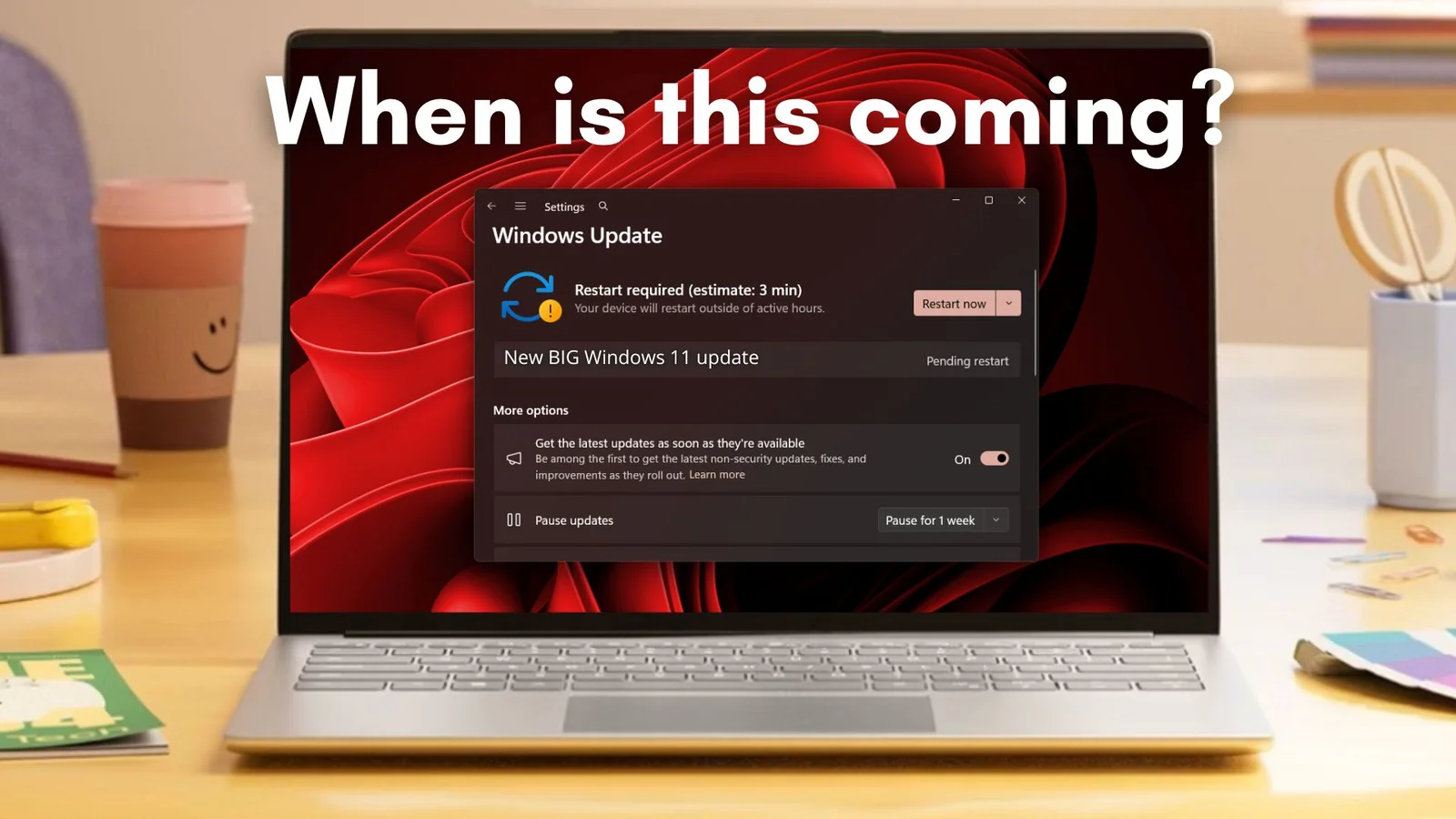
Microsoft confirms Windows 11 version 26H2 will arrive later this year, built on the same 2024 platform as 24H2/25H2 and easy for many to upgrade, but not everyone will be eligible. Devices running 26H1 (including those built for Qualcomm Snapdragon X2 and NVIDIA RTX Spark) won’t receive 26H2 this fall; users on 26H1 may be offered an upgrade to 27H2 later. Rollout is expected toward September or October.
Waze is still testing and gradually rolling out its traffic-light display feature to additional users across multiple regions, with no official announcement yet; availability appears random, so some users won’t see it for now, and those needing traffic-light data can use Google Maps or other GPS apps that already offer the feature.
Samsung confirms a free Android upgrade will begin rolling out on May 11 to eligible Galaxy devices, arriving in waves and bringing new features plus security improvements.
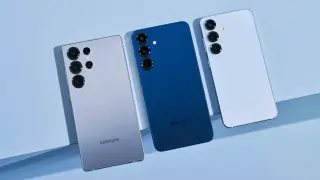
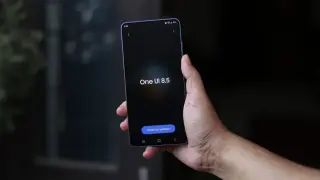
Samsung has started a staged, stable rollout of One UI 8.5, beginning with the Galaxy S25 family and then extending to the S24 series, Z Fold 7, Z Flip 7, and Tab S lines. The release kicks off in South Korea and will spread to North America, Europe, and parts of Asia in waves. The update adds Galaxy AI features and new tools, with full AI capabilities limited to Galaxy S, Tab S, and Z-series devices, while A, F, and M-series get “Awesome Intelligence.” After four months of beta testing, Samsung aims for a smoother, more reliable rollout, though availability varies by model and region.
Samsung has begun rolling out One UI 8.5, starting in Korea on May 6 with plans to expand to additional regions. The update brings Galaxy AI features across devices including Galaxy S25/S25 FE, S24/S24 FE, Z Fold7/Flip7, Z Fold6/Flip6, and Galaxy Tab S11/S10, with availability and timing varying by model and market.
Samsung has announced a phased One UI 8.5 rollout: beginning May 6 in Korea, with a broader rollout from May 11 across Europe, Hong Kong, India, Latin America, North America, Southeast Asia, and Taiwan. The Galaxy S25 series (Edge/FE) leads, followed by the S24 series, S24 FE, Z Fold/Flip 7 and 6, and Tab S11/S10, with midrange models like A56, A55, and A36 arriving later. Updates go through Settings > Software update; beta testers get smaller packages, while current One UI 8 users face multi-GB downloads.
Microsoft Rewards is being redesigned with three membership levels—Member, Silver, and Gold—adding more ways to earn points and monthly bonuses, with Gold offering up to 7x more points. The rollout is expanding globally (Germany, France, Thailand, the UK, and others) after months of regional testing, but feedback on Reddit is mixed, following earlier changes like daily point tweaks and gift-card price shifts.
Microsoft says Windows 11’s 2026 update will roll out in monthly, wave-based releases via the Insider program and optional previews before standard Patch Tuesday updates. The rollout uses a Control Feature Rollout approach, so features like a movable taskbar, reduced Copilot presence, more update control, faster File Explorer, and improved Widgets will appear first in Insider builds and optional previews, then in stable updates. Planned improvements aim for lower RAM usage, faster responsiveness, better search, improved driver and device reliability, and a calmer, more consistent user experience. Non‑Insiders will see changes only after testing and through regular updates.
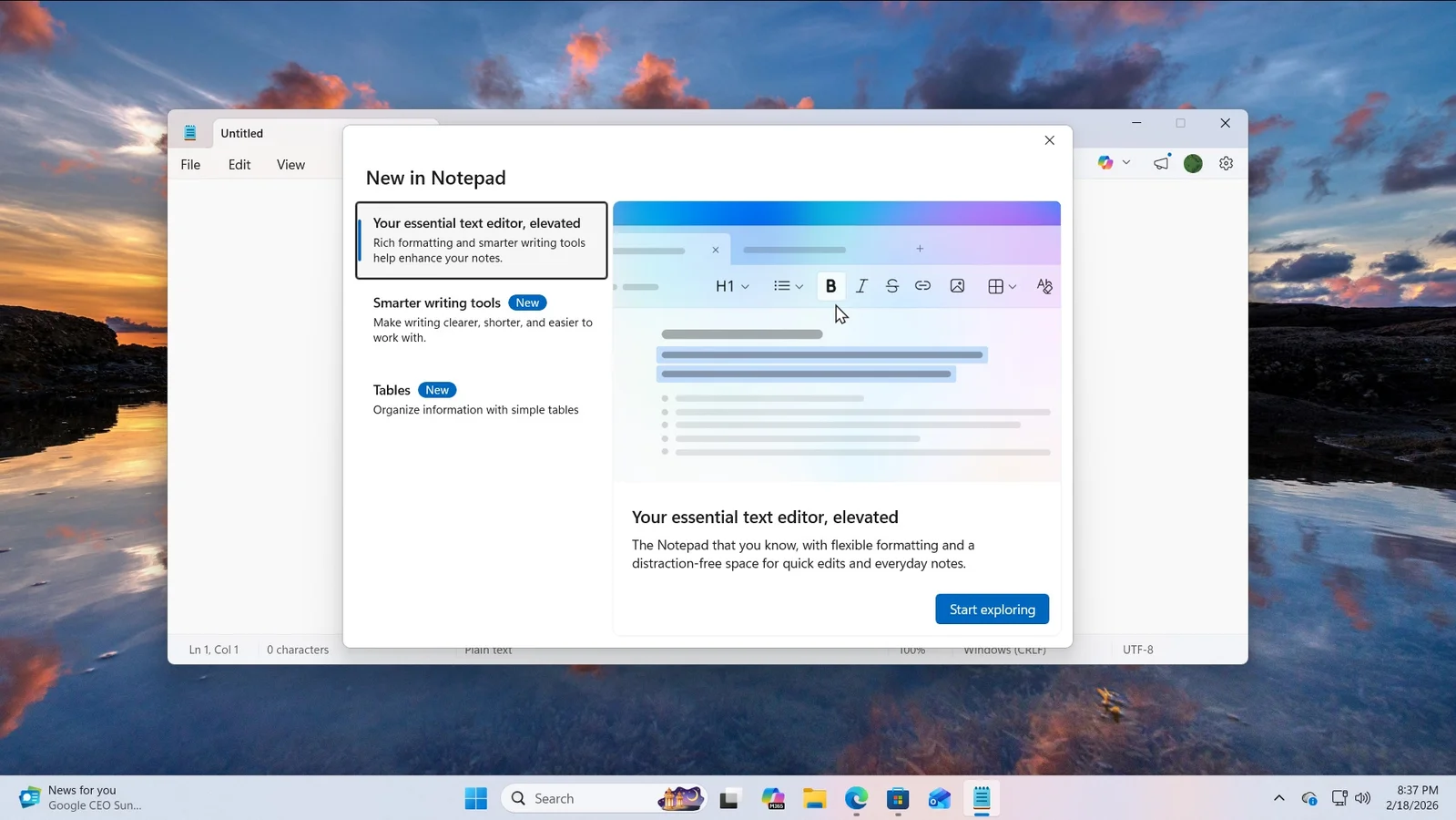
Microsoft is adding image support to Notepad on Windows 11 as part of its Markdown features. The enhancement reportedly has minimal impact on performance, will be enabled by default, and can be disabled in Settings. It’s being tested in Windows Insider builds and is planned for a wider rollout in the coming months.
Free YouTube Music users can view lyrics for up to five songs per month; beyond that, lyrics are blurred and a prompt to unlock with Premium appears, signaling a broader rollout after earlier testing.
NASA moved the Artemis II stack—the 322-foot Space Launch System rocket with the Orion crewed spacecraft—from the Vehicle Assembly Building to Launch Pad 39B at Kennedy Space Center in Florida. The rollout on Jan. 17, 2026 sets the stage for a February mission to orbit the Moon with four astronauts, including a fueling test (wet dress rehearsal) planned for Feb. 2 and a launch window between Feb. 6–10. If February proves tight, NASA has backup opportunities in March or April, making Artemis II NASA’s first crewed lunar mission in more than 50 years a pivotal milestone.
Google is gradually rolling out a feature that lets you change your @gmail.com address; the old address becomes an alias, so emails go to both addresses and your data stays intact, and you can switch back later. The new address can’t be deleted, and only a limited number of new aliases can be created per year (12-month limit). Access the option at myaccount.google.com/google-account-email, noting it may not be available for all accounts yet.
Windows 11 is getting a major Start menu redesign with a new scrollable, categorized UI that is rolling out with the November 11 Patch Tuesday update, offering a more adaptive and customizable experience, though some issues and limitations remain.