
Tag

Yarkovsky Effect

All articles tagged with #yarkovsky effect

Asteroid breakup may have sparked an 800-million-year bombardment across Earth, Moon, and Mars
space1 month ago

Asteroid breakup may have sparked an 800-million-year bombardment across Earth, Moon, and Mars

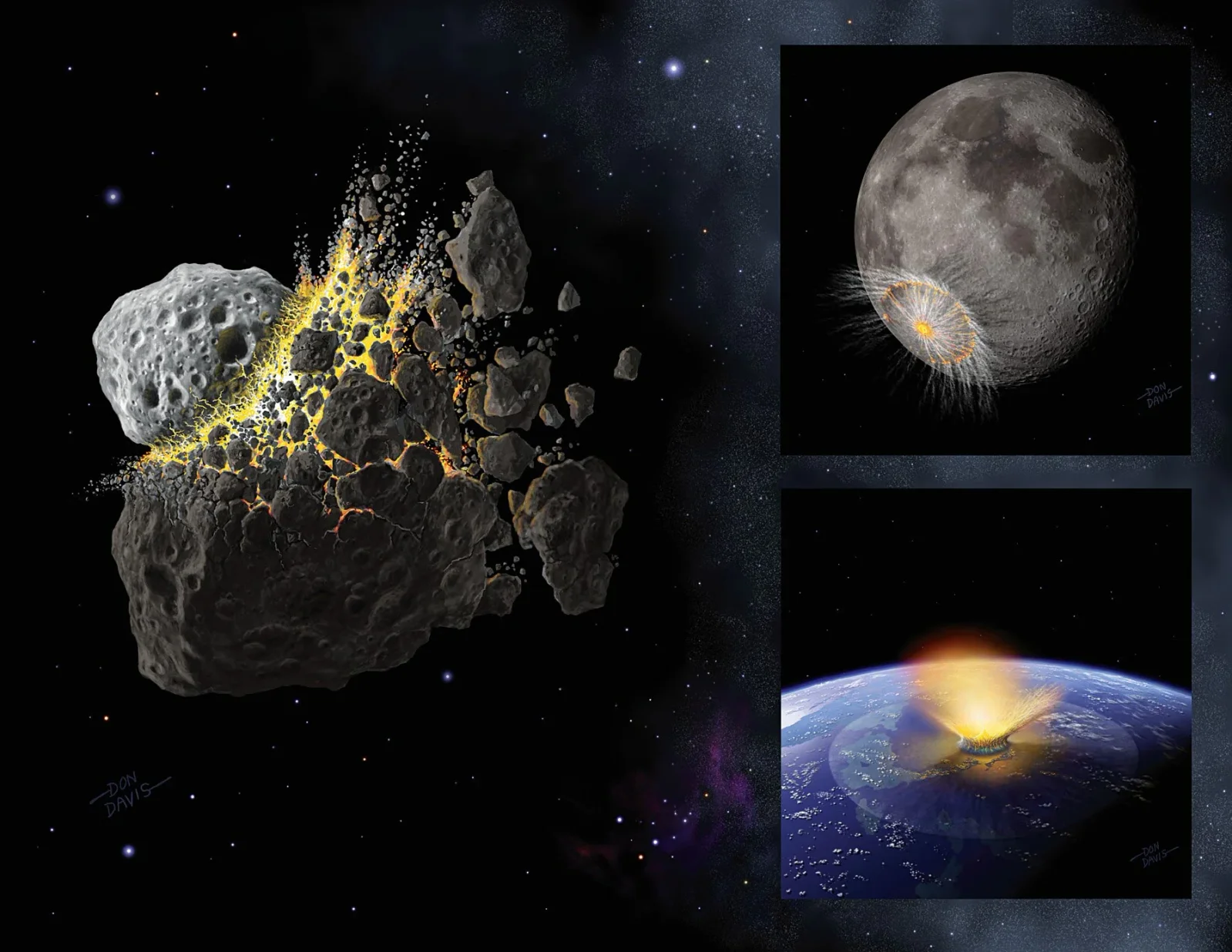
A Southwest Research Institute-led study links the breakup of the Eulalia parent body in the main asteroid belt to a long-lasting bombardment of the inner solar system about 800 million years ago, producing a spike in Moon impacts and possibly influencing Earth's climate and biosphere and Mars’ geology. The mechanism involves fragments entering Jupiter’s 3:1 resonance and later migrating via the Yarkovsky effect, with Apollo impact glass and crater-age data supporting the link; while not yet proving causation, this scenario shows how a single collision could affect multiple worlds.
Ancient asteroid breakup may have fed Earth a prolonged bombardment window
science1 month ago

Ancient asteroid breakup may have fed Earth a prolonged bombardment window

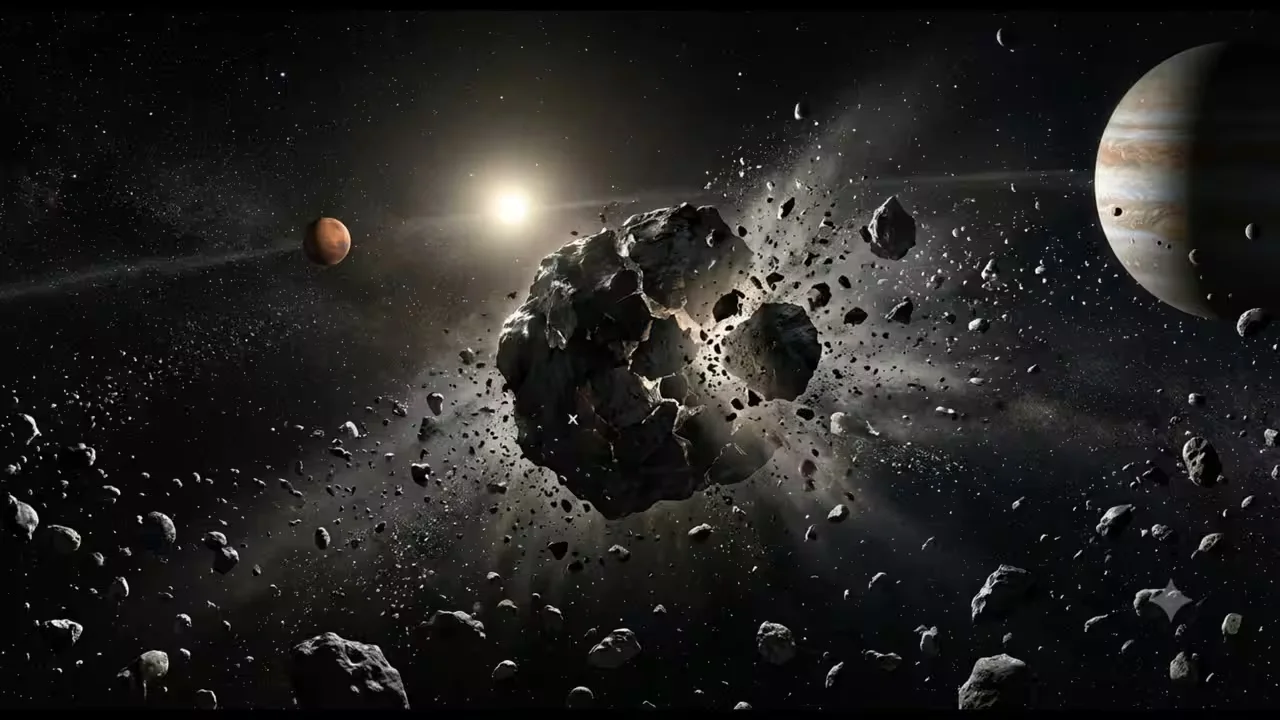
A breakup of the Eulalia asteroid family about 800 million years ago shattered a carbon-rich body in the main belt, sending fragments into the inner solar system through Jupiter’s 3:1 resonance and, over 100–150 million years, via the Yarkovsky effect. This likely increased impacts on Earth, the Moon, and Mars, with the lunar crater record and a period of global cooling and biosphere changes coinciding, though a causal link remains unproven and needs further study.

"NASA's Latest Research on 'God of Chaos' Asteroid and Earth's Defence Mechanism"
astronomy2 years ago

"NASA's Latest Research on 'God of Chaos' Asteroid and Earth's Defence Mechanism"

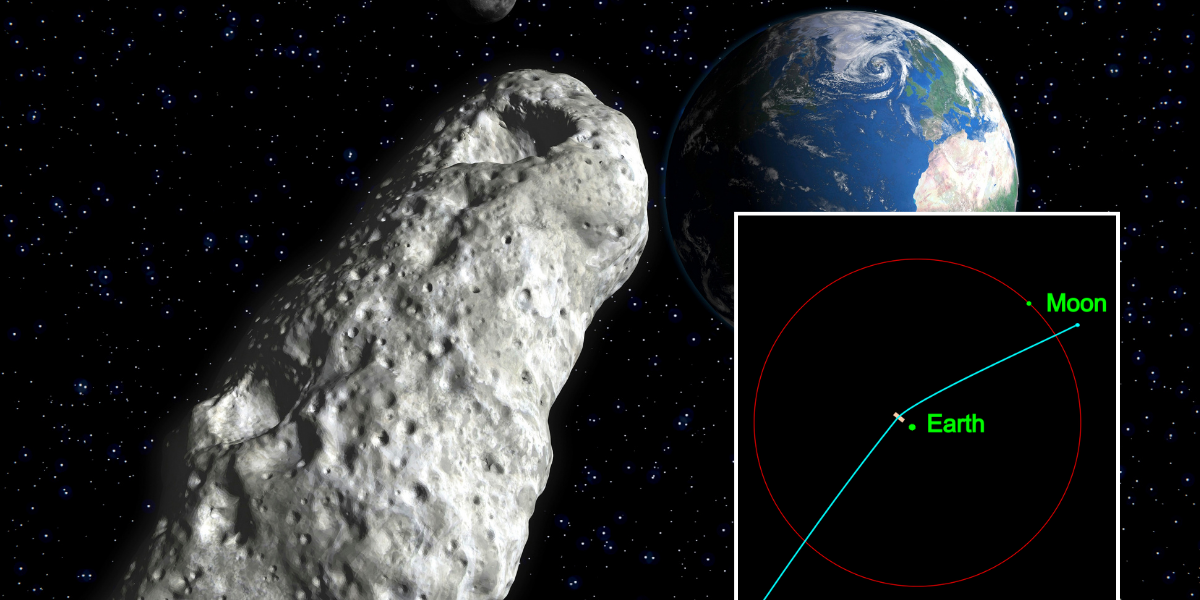
Scientists have updated their research on the asteroid Apophis, which is expected to pass close to Earth in 2029 and 2068. There is a 1 in 150,000 chance of it hitting Earth in 2068. The asteroid has sped up due to the Yarkovsky effect, altering its orbit. First spotted in 2004, it is set to pass between Earth and communication satellites in 2029 and will be visible to the naked eye.