Tag

Carbon Removal

All articles tagged with #carbon removal

Microsoft Pauses New Carbon Removal Purchases, Reshaping Industry Outlook
business1 month ago

Microsoft Pauses New Carbon Removal Purchases, Reshaping Industry Outlook

Microsoft has begun telling suppliers it is pausing future carbon removal purchases, a move that could stall demand for the nascent industry that has relied on Microsoft as its biggest buyer (about 45 million tons historically and roughly 90% of recent purchases). The company says the pause isn’t indefinite and will be reassessed in light of market conditions as it pursues carbon-negative goals by 2030 and net-zero by 2050. The development comes amid mixed U.S. funding for carbon removal, potentially impacting industry growth.

Microsoft Slows Carbon Removal Purchases, Sparking Market Uncertainty
business1 month ago

Microsoft Slows Carbon Removal Purchases, Sparking Market Uncertainty

Microsoft has paused buying new carbon removal credits with no announced timeline for resumption, following a year of strong CDR deals. While some existing contracts remain intact, the halt raises questions about funding and progress for next‑gen removal technologies and could slow cost reductions in the market as energy‑intensive data centers keep expanding their footprint.

AI Rush Triggers Big Tech Carbon-Credit Spree
business2 months ago

AI Rush Triggers Big Tech Carbon-Credit Spree

Big Tech including Microsoft, Amazon, Google, and Meta are increasing purchases of permanent and other carbon credits to offset emissions from energy-intensive AI infrastructure, signaling a shift toward carbon removal to meet net-zero goals amid the AI surge; Microsoft leads in reported credits, though data gaps and varying credit types complicate the picture.

Ocean Antacid Experiments Signal Hope, Yet Hurdles in Climate Fight
environment4 months ago

Ocean Antacid Experiments Signal Hope, Yet Hurdles in Climate Fight

Scientists led by Adam Subhas test ocean alkalinity enhancement by dispersing sodium hydroxide in the Gulf of Maine to raise surface pH and promote CO2 uptake, a potential but uncertain method to counter ocean acidification and remove carbon; while it could help in key regions, it would require massive energy, infrastructure, careful monitoring, and emission reductions, and questions about safety and long-term ecological impacts remain.

technology2 years ago

Climeworks Unveils Cost-Cutting Next-Gen Carbon Capture Tech

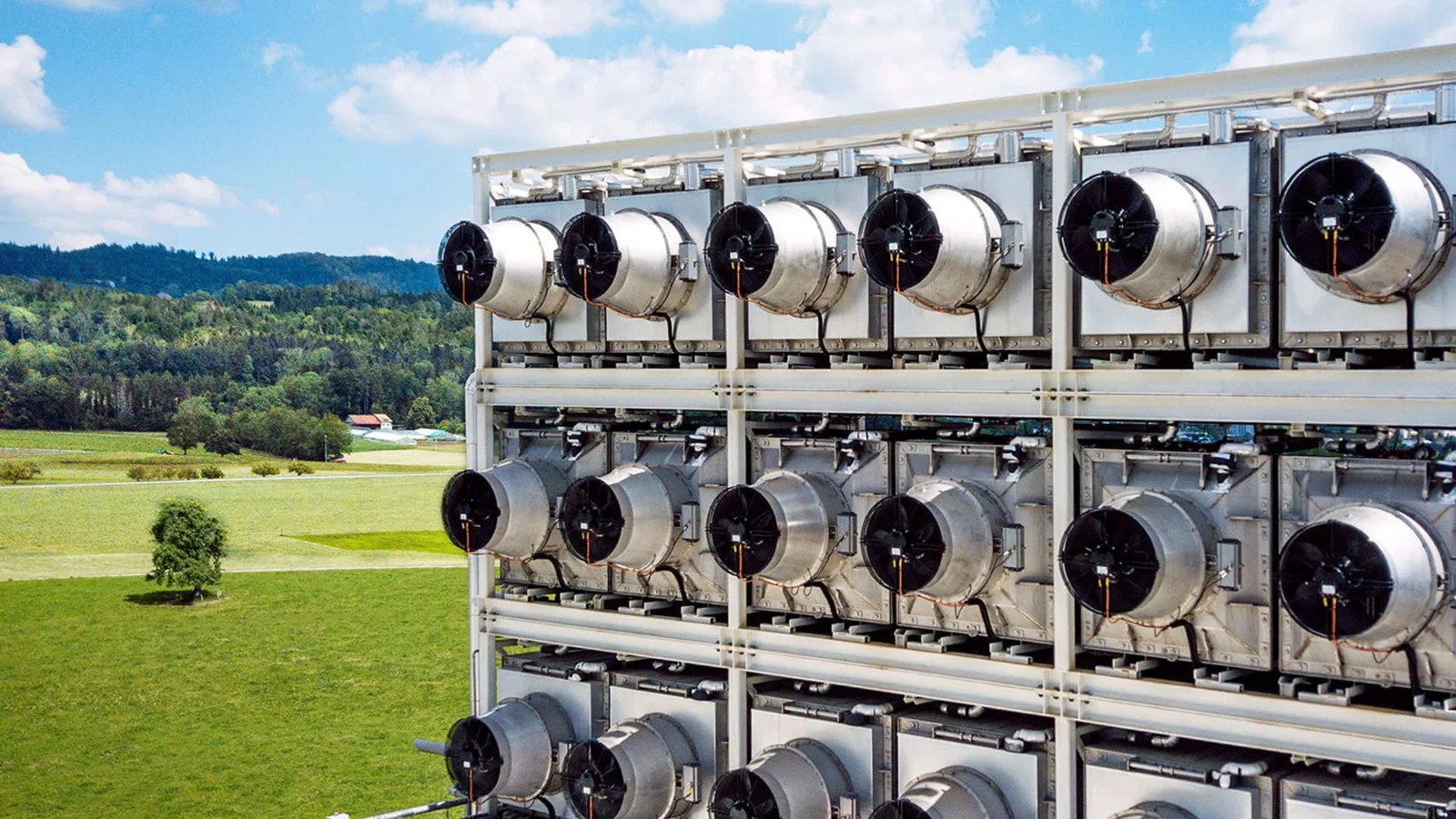
Climeworks has unveiled its Generation 3 direct air capture technology, which significantly enhances CO₂ capture efficiency and reduces costs. This new technology, featuring novel structured sorbent materials in modular cubes, will first be deployed in the U.S. and then globally. The advancements include doubling CO₂ capture capacity, halving energy consumption, and extending material lifespan, aiming for substantial cost reductions by 2030. The first large-scale implementation will occur in 2024 in Switzerland, with further projects planned in the U.S., Norway, Kenya, and Canada.

"EU's 2040 Climate Target: Balancing Ambition and Realities"
climate-policy2 years ago

"EU's 2040 Climate Target: Balancing Ambition and Realities"

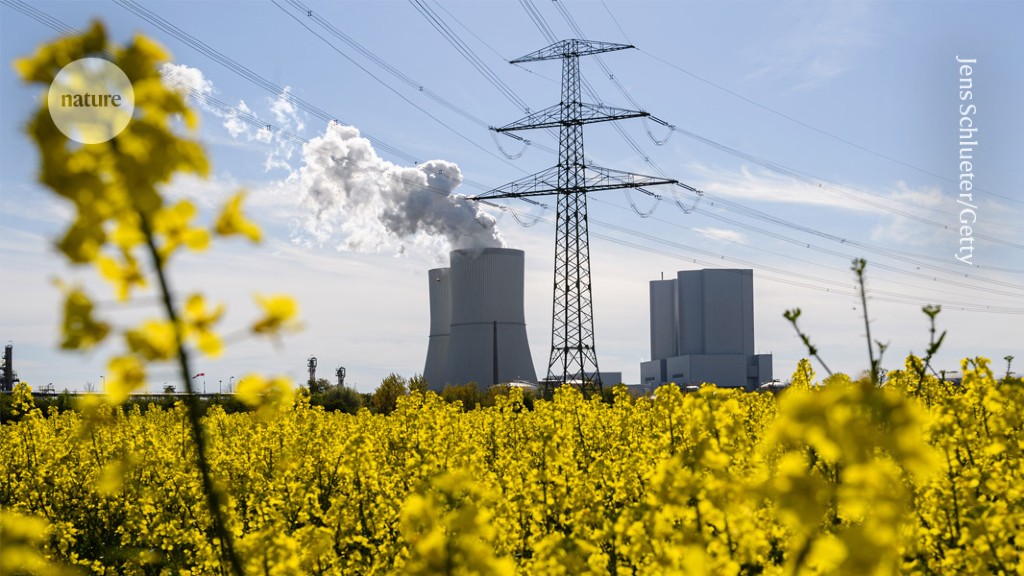
The European Commission has announced a bold climate target to reduce net greenhouse-gas emissions by 90% compared to 1990 levels by 2040, drawing mixed reactions from scientists. While the goal is seen as ambitious, concerns have been raised about its heavy reliance on unproven technologies like carbon removal and the potential impact of political shifts in EU member states. Researchers emphasize the need to prioritize cutting fossil fuels and meeting existing 2030 targets, while also stressing the importance of adaptation measures to address the current and future impacts of climate change.

The Controversy Surrounding Carbon Capture and its Role in Climate Change
climate-change2 years ago

The Controversy Surrounding Carbon Capture and its Role in Climate Change

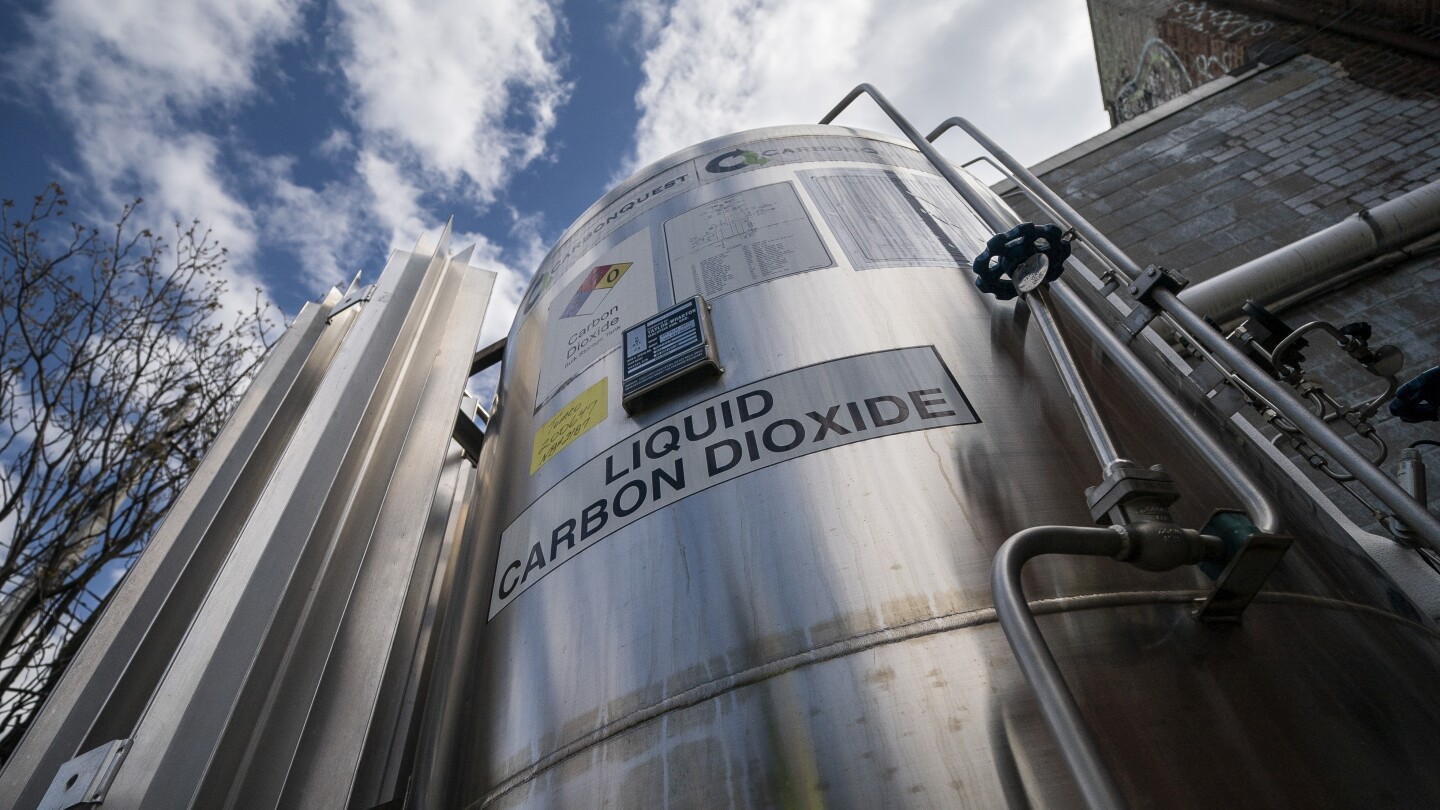
Carbon capture and carbon removal technologies are being discussed at the United Nations climate summit in Dubai as potential solutions to reduce greenhouse gas emissions. While some view these technologies as essential during the transition to clean energy, skeptics argue that they are being oversold to maintain the status quo. Carbon capture involves separating carbon dioxide from industrial emissions and storing it underground, while carbon removal aims to extract carbon already in the atmosphere. However, the deployment of these technologies is still in its early stages and faces challenges such as high costs and opposition to infrastructure development. Supporters, including the American Petroleum Institute, believe that carbon capture is crucial for cleaner energy use, while critics argue that it can prolong the lifespan of polluting plants and distract from the need to phase out fossil fuels.

Unveiling the Truth Behind Carbon Capture and its Role in Climate Change Mitigation
climate-change2 years ago

Unveiling the Truth Behind Carbon Capture and its Role in Climate Change Mitigation

Carbon capture and carbon removal technologies are being discussed at the United Nations climate summit in Dubai as potential solutions to reduce greenhouse gas emissions. While some view these technologies as essential during the transition to clean energy, skeptics argue that they are being oversold by the fossil fuel industry to maintain the status quo. Carbon capture involves separating carbon dioxide from industrial emissions and storing it underground, while carbon removal aims to extract carbon dioxide from the atmosphere. However, the deployment of these technologies is still in its early stages and faces challenges such as high costs and opposition to infrastructure development. Supporters argue that carbon capture is key to cleaner energy use, while opponents believe it can prolong the lifespan of polluting plants and harm marginalized communities.

American Airlines Teams Up with Bill Gates-Backed Company to Bury 10,000 Tons of CO2 Underground
environment2 years ago

American Airlines Teams Up with Bill Gates-Backed Company to Bury 10,000 Tons of CO2 Underground

American Airlines has signed a deal with Graphyte, a startup backed by Bill Gates, to bury 10,000 tons of carbon dioxide underground as part of its efforts to combat climate change. Graphyte's unique carbon casting technology offers a more affordable solution compared to other carbon removal methods, with a cost of $100 per ton. By mummifying plant matter and preventing decomposition, Graphyte can store the carbon dioxide absorbed by the plants for up to a thousand years. The deal with American Airlines marks a significant milestone for Graphyte and the emerging carbon removal market, which aims to prove the effectiveness of new projects in permanently trapping CO2. However, carbon removal should be seen as a supplement to reducing pollution at its source through clean energy adoption.

"Carbon Removal: Bridging the Divide in the Climate Fight"
climate-change2 years ago

"Carbon Removal: Bridging the Divide in the Climate Fight"

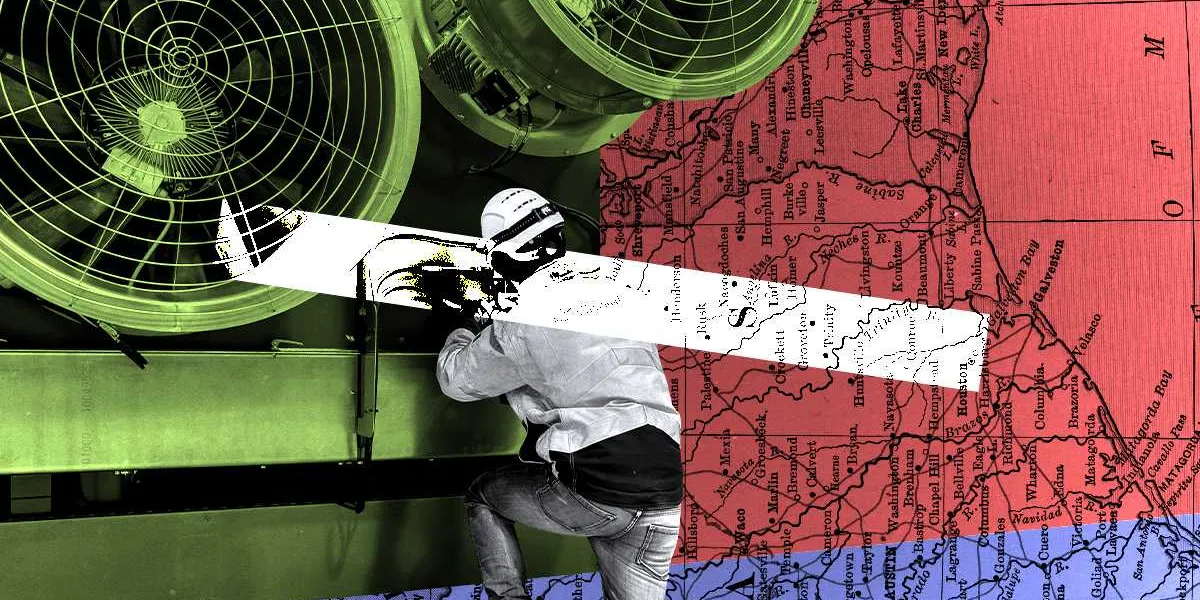
Two direct air capture (DAC) projects in Texas and Louisiana highlight the divide over the role of carbon removal technologies in the fight against climate change. Occidental Petroleum's project in Texas aims to inject captured carbon into oil fields to increase crude production, while Climeworks and Heirloom's project in Louisiana plans to store the carbon underground and advocates for a transition to renewable energy. The clash reflects a global debate over whether carbon removal should be used to reduce emissions from fossil fuels or to eliminate fossil fuels altogether. The International Energy Agency (IEA) has criticized the over-reliance on carbon capture, while proponents argue that DAC is necessary to meet climate goals. The financial viability of these projects remains uncertain, as DAC technology is expensive and unproven at scale.

The Rise of Carbon Capture: Revolutionizing Climate Solutions
environment2 years ago

The Rise of Carbon Capture: Revolutionizing Climate Solutions

Companies are beginning to explore carbon removal as a way to combat climate change by extracting carbon dioxide from the air and storing it underground. However, challenges remain in scaling up the technology to make it affordable and effective enough to significantly reduce global temperatures. Carbon removal, also known as direct air capture, offers a precise and measurable reduction in carbon emissions, unlike carbon offsets. Companies like Climeworks and Heirloom are offering carbon removal services, with subscriptions available for individuals and customized plans for companies. While the cost of carbon removal is currently high, experts believe that economies of scale and technological advancements will help reduce costs in the future. The Biden administration has allocated funds for developing direct air capture hubs, and countries like Canada are considering substantial subsidies for carbon removal.

Innovative CO2 Extraction: Using Old Wood and LEGO-Like Technology
climate-change2 years ago

Innovative CO2 Extraction: Using Old Wood and LEGO-Like Technology

Start-up Graphyte, incubated by Breakthrough Energy Ventures, claims to have developed a simple and cost-effective method for removing carbon dioxide (CO2) from the atmosphere. The company uses plant waste, such as wood chips and rice hulls, to create carbon-laden blocks that can be buried underground for hundreds of years. This approach could store a ton of CO2 for around $100, a significant milestone in affordable carbon removal. While other methods like direct air capture are more complex and expensive, Graphyte's plant-based approach offers a simpler and potentially more scalable solution to combat climate change.

Advancements and Challenges in Carbon Capture Technology
environment2 years ago

Advancements and Challenges in Carbon Capture Technology

Heirloom Carbon Technologies has opened the first commercial direct air capture plant in the United States, located in Tracy, California. The plant uses a process that involves vacuuming greenhouse gases from the atmosphere and permanently sealing the captured carbon dioxide in concrete. Heirloom plans to sell carbon removal credits to companies, with Microsoft already signing a deal to remove 315,000 tons of carbon dioxide. While the technique is expensive, proponents believe that rapid growth and economies of scale can help bring down costs and make it a crucial tool in the fight against climate change. Critics, however, argue that artificial methods of carbon removal could distract from efforts to reduce emissions and caution against the involvement of oil companies in the technology.