evolutionary-biology51.035 min read
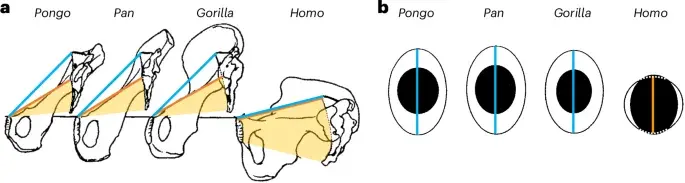
Humans Not Unique in Birth Tightness, New 3D Primate Analysis Finds
3 months ago•Source: Nature

The latest evolutionary biology stories, each synthesized from multiple sources with added background and context.
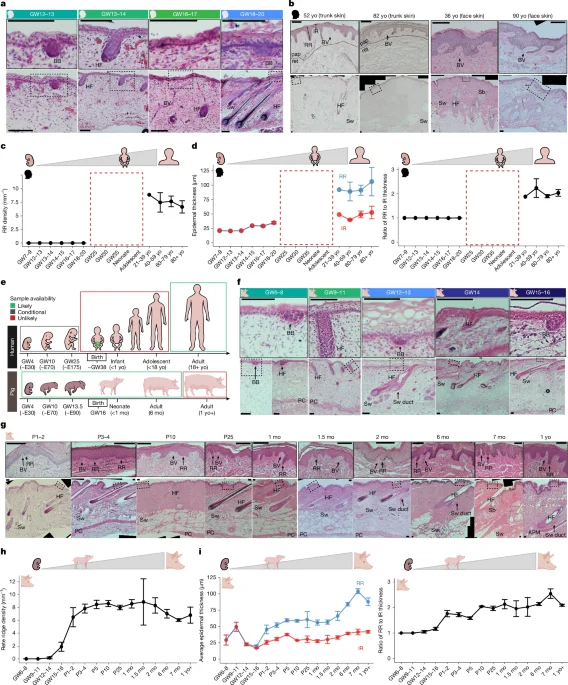
Across mammals, rete ridges form through a BMP-driven epidermal program that is distinct from the development of hair follicles and sweat glands, linking epidermal thickening with dermal pockets. The timing of ridge formation aligns perinatally in humans and pigs, and has been observed in dolphins and bears, while neonatal pig wounds can regenerate rete ridges de novo. The authors also show that mouse fingerpad rete ridges require epidermal BMP signaling, leading to the idea that evolution replaced discrete skin appendage programs with an interconnected epidermal–dermal network. This work has implications for regenerative approaches to restore epidermal structures after injury or disease.

ScienceAlert•2 years ago
Livescience.com•3 years ago
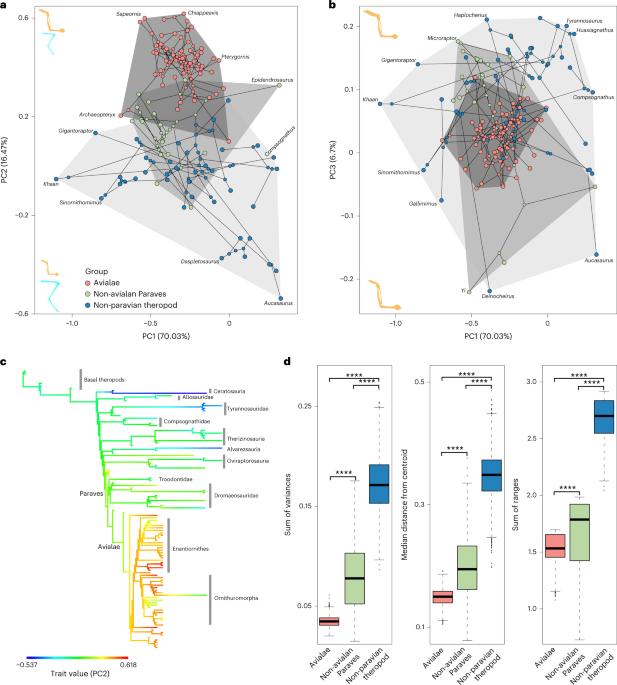
A new study has found that the rate of limb size evolution in the ancestors of birds slowed down close to the origin of birds, resulting in low morphological disparity. The study analyzed limb measurements of over 150 bird and dinosaur species and found that the ancestors of birds had a decelerated rate of limb size evolution compared to their dinosaur relatives. This suggests that the evolution of bird-like features was a gradual process rather than a sudden burst of innovation.
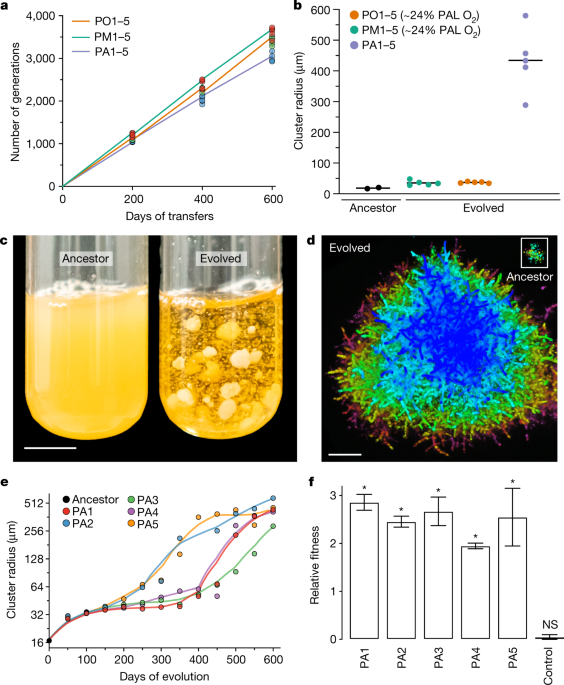
Researchers have demonstrated the de novo evolution of macroscopic multicellularity in yeast populations under laboratory conditions. The study shows that the evolution of multicellularity can occur through simple biophysical mechanisms, such as mechanical stress and cell adhesion, without the need for genetic changes. The findings shed light on the origins of multicellularity and have implications for understanding the evolution of complex life forms.