geology25.72 min read
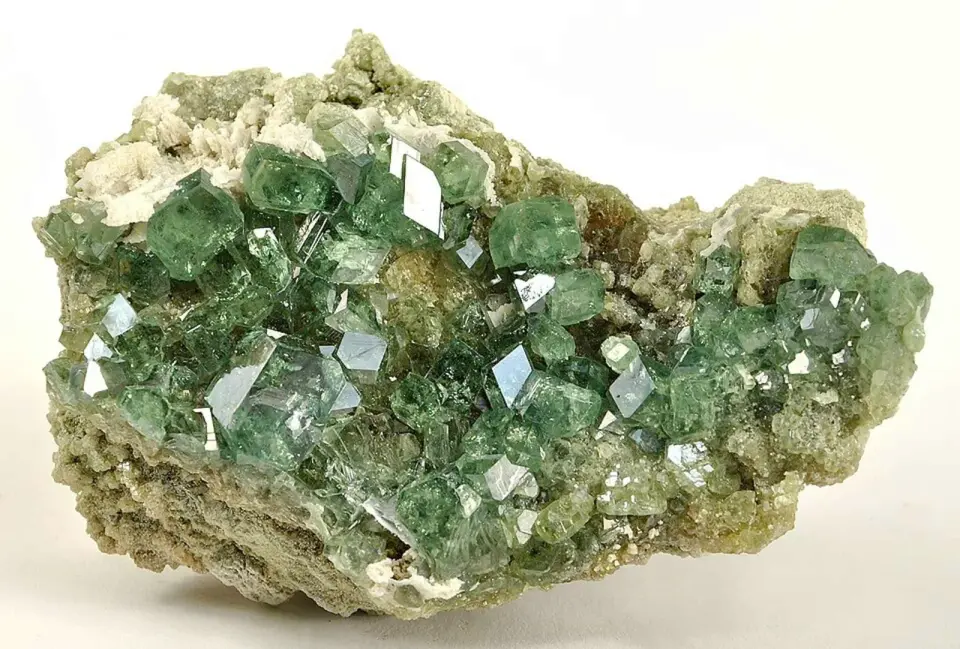
Garnet-Bearing Martian Meteorite Unveils a New Rock Type
2 months ago•Source: ZME Science

The latest geology stories, each synthesized from multiple sources with added background and context.
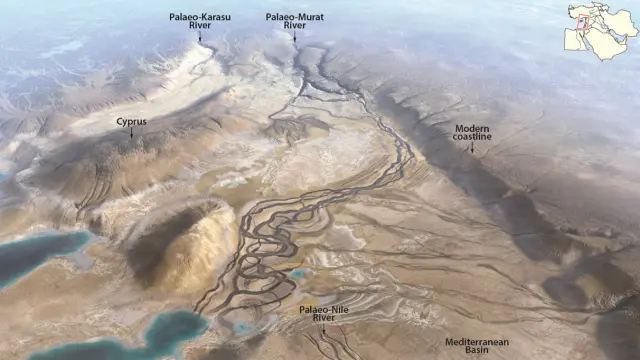
Geoscientists reconstruct the Euphrates’ origin, showing it formed when the Paleo-Karasu and Paleo-Murat rivers merged after tectonic shifts in the Miocene (roughly 3.6 million and 2.8 million years ago). The combined waterway then flowed toward the Persian Gulf by about 1.6 million years ago, leaving offshore river deposits that reveal the two rivers were larger than the modern Nile. This birth of the Euphrates helped shape the Fertile Crescent and the civilizations that arose there, illustrating how major shifts in water distribution sculpt landscapes and life on Earth.
Hackaday•1 year ago
West Virginia Explorer•1 year ago
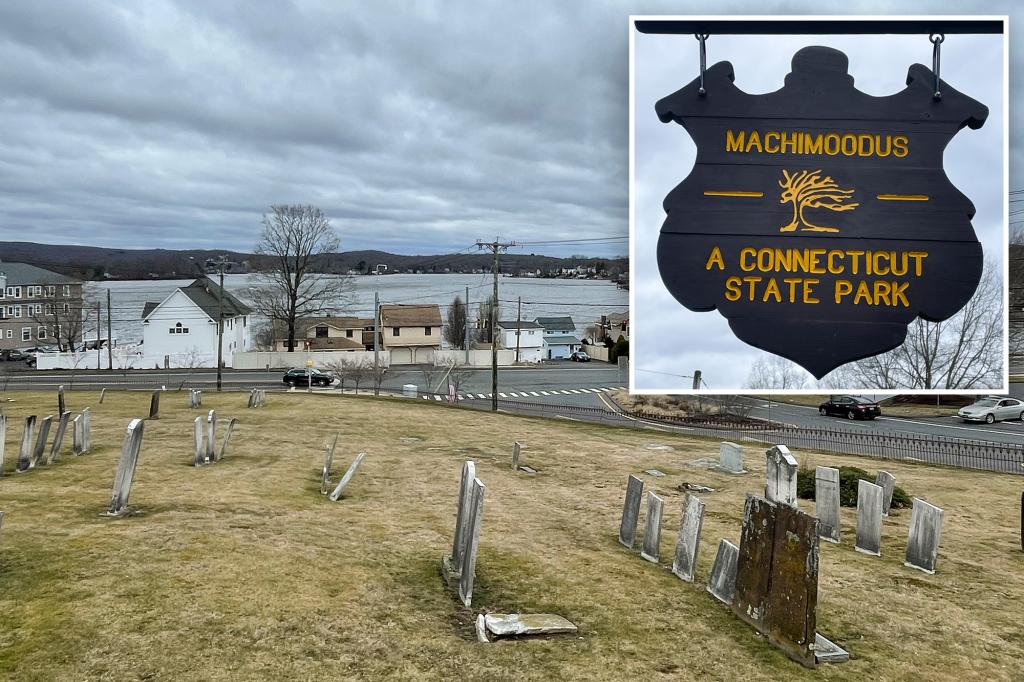
East Hampton, Connecticut, has been experiencing mysterious seismic activity for centuries, with recent events including a 4.8-magnitude earthquake and booming noises caused by small, frequent earthquakes. Known as "Moodus Noises," these phenomena have puzzled residents and experts alike. Despite being located away from major fault lines, the area experiences these effects due to its unique geological characteristics. While the cause remains unclear, the town has embraced its notoriety, with a local high school even naming its sports teams after the mystery.
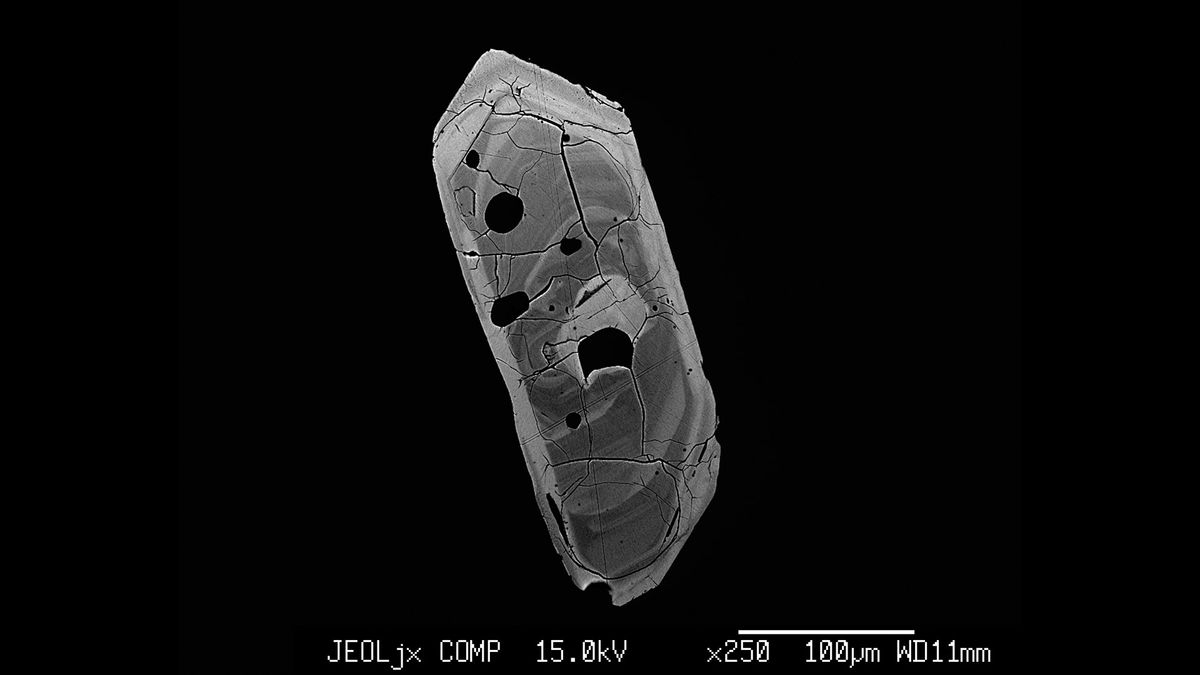
Researchers studying zircon crystals in river sand and rocks in Finland have discovered a hidden chunk of Earth's crust that originated in Greenland and played a crucial role in the formation of Scandinavia. The crystals, dating back 3.75 billion years, provide insights into the formation and growth of the oldest parts of the continental crust, shedding light on the birth of continents and their influence on Earth's habitability. This discovery may help understand how other landmasses on Earth formed and spread across the planet.

A new study reveals that an eruption at Santorini volcano 1,300 years ago was far more violent than previously thought, with a magnitude similar to the 2022 Tonga eruption. The findings suggest that explosive blasts can occur even in periods of relative quiet, challenging previous assumptions about the volcano's behavior. The eruption ejected a significant amount of material, indicating an elevated hazard potential for the eastern Mediterranean region. This research highlights the need for continued monitoring and assessment of volcanic activity in the area.
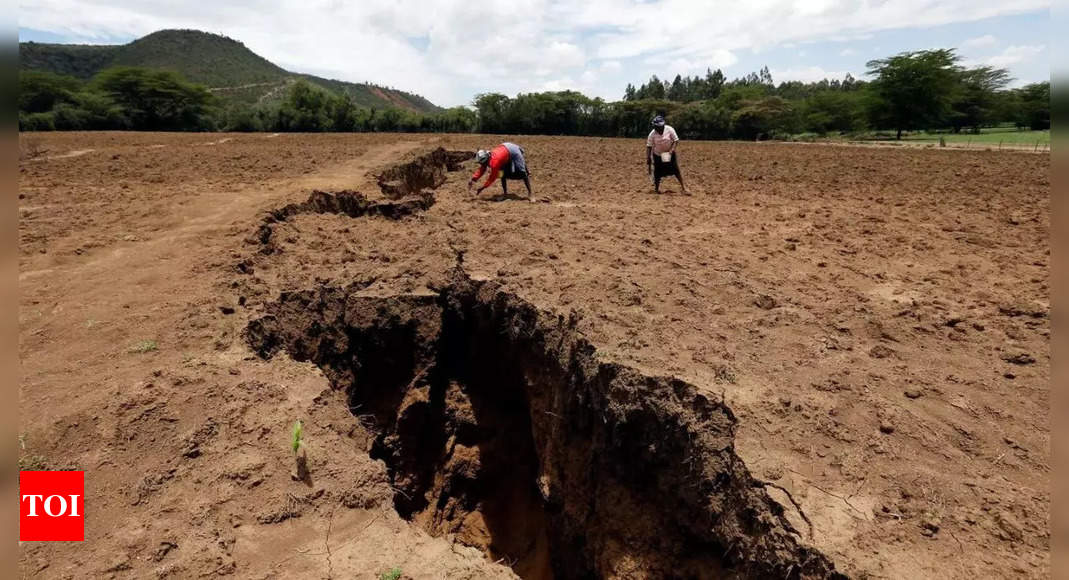
Geologists have identified a rare geological phenomenon in the Afar Triangle in Africa, where the movement of tectonic plates is gradually splitting the continent. This process, which has been ongoing for millions of years, could eventually lead to the formation of a new ocean in 5 to 10 million years. The East African Rift provides a unique opportunity for scientists to study the stages of rifting, with modern technology aiding in precise measurements of ground movement. The potential creation of a sixth ocean highlights the Earth's ever-changing nature and the importance of understanding geological processes.
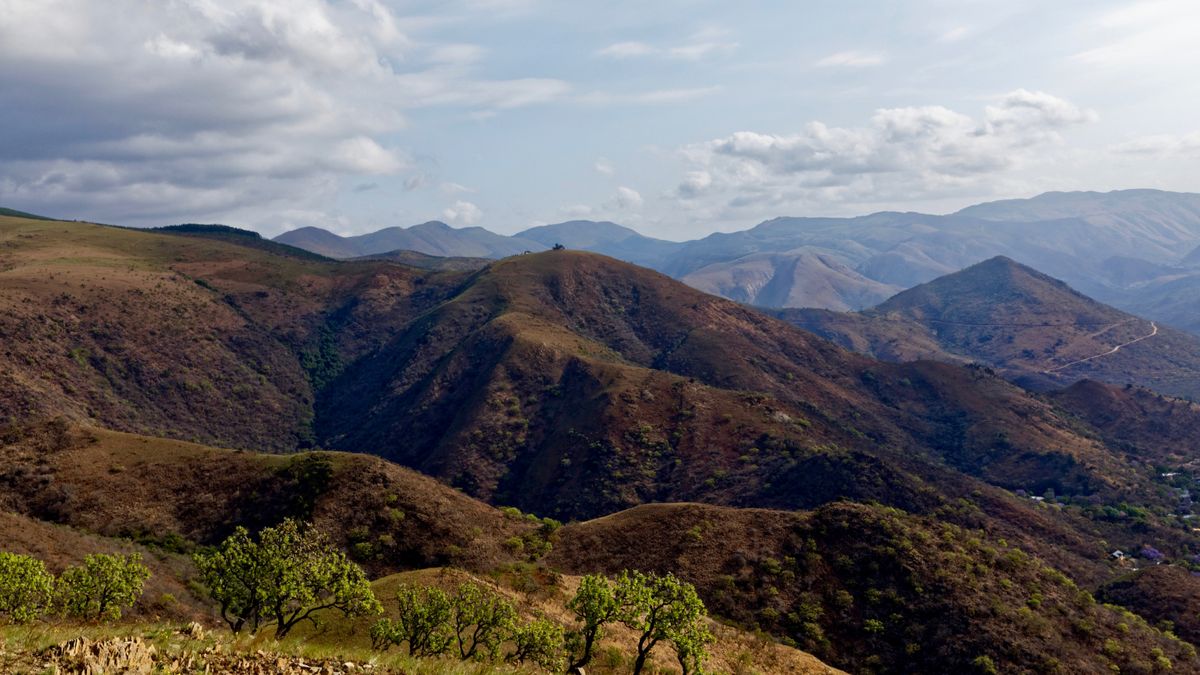
Scientists have discovered evidence of some of the earliest known earthquakes in 3.3 billion-year-old rocks from the Barberton Greenstone Belt in Africa, shedding light on early plate tectonics and conditions when life first evolved. The rocks resemble those in New Zealand that have experienced earthquake-triggered submarine landslides, suggesting a prolonged period of shaking. The findings hint at the role of subduction zones in creating conditions for life and offer insights into Earth's early geological history.
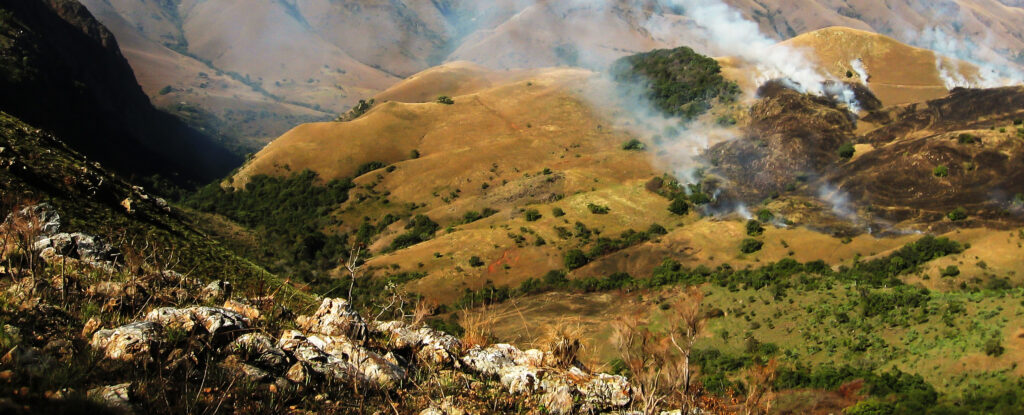
Researchers have uncovered evidence in the Barberton Greenstone Belt in Africa that suggests the early Earth experienced large earthquakes caused by tectonic plate subduction, contrary to previous beliefs. By studying rocks in New Zealand, they found similarities with the ancient rocks in Africa, indicating the presence of ancient landslides triggered by earthquakes. This discovery may also provide insights into early volcanic activity and the potential origins of life on Earth.
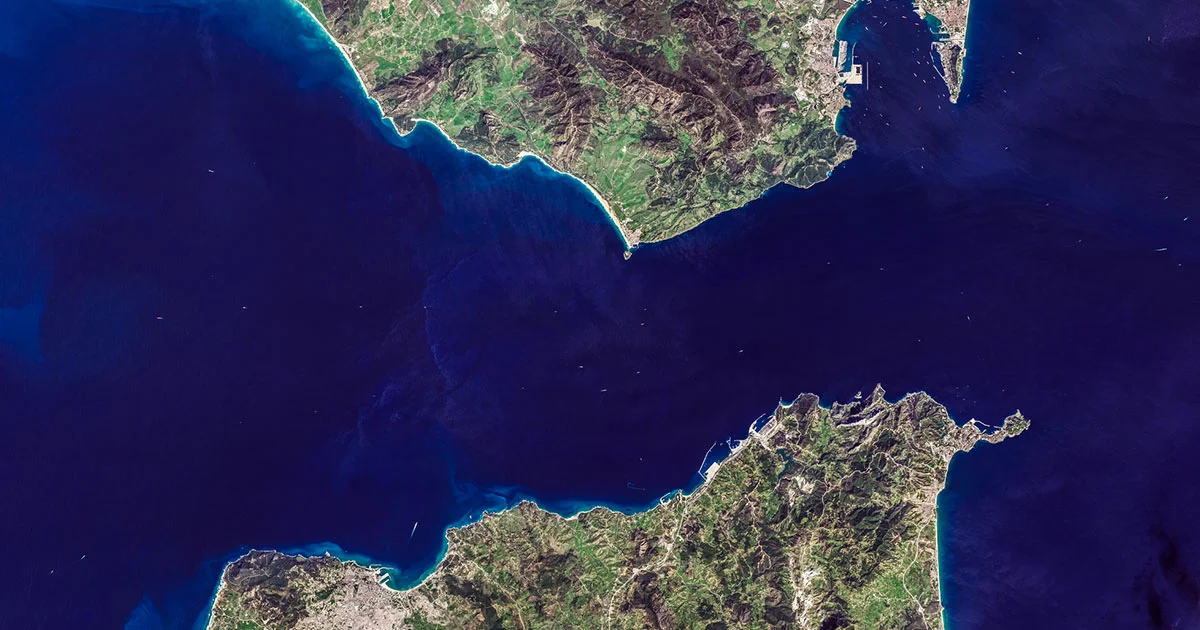
Scientists studying strange earthquakes beneath Granada, Spain, discovered that an oceanic slab, the "Alboran slab," had completely flipped upside down as it was being pushed beneath its neighbor, the Eurasian slab. This unprecedented finding, detailed in a new paper, sheds light on how pieces of the Earth's crust interact and their relation to seismic activity, while also providing a fresh sense of wonder for the extraordinary geographical marvels of our planet.
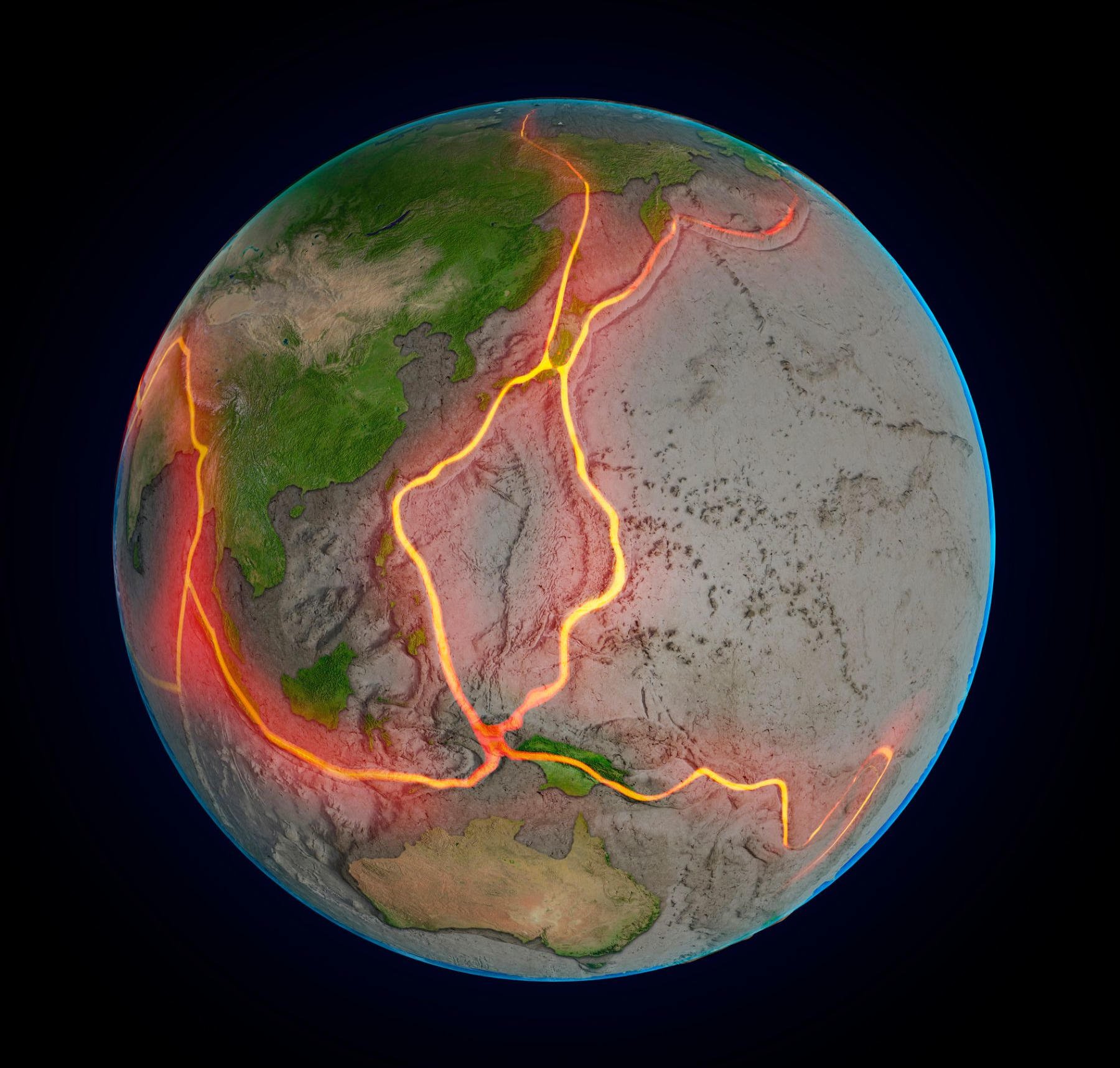
Geologists have uncovered a new origin story for the Seattle fault zone, suggesting its formation around 55 million years ago due to tectonic deformation and interactions with ancient volcanic islands. This study, published in Tectonics, aims to enhance hazard modeling for the densely populated Puget Sound region. The research reveals magnetic evidence indicating the fault's potential origin from the continent's edge splitting in half over 50 million years ago, offering a fresh perspective on the fault system's initial formation and providing valuable details about the region's geologic structure.
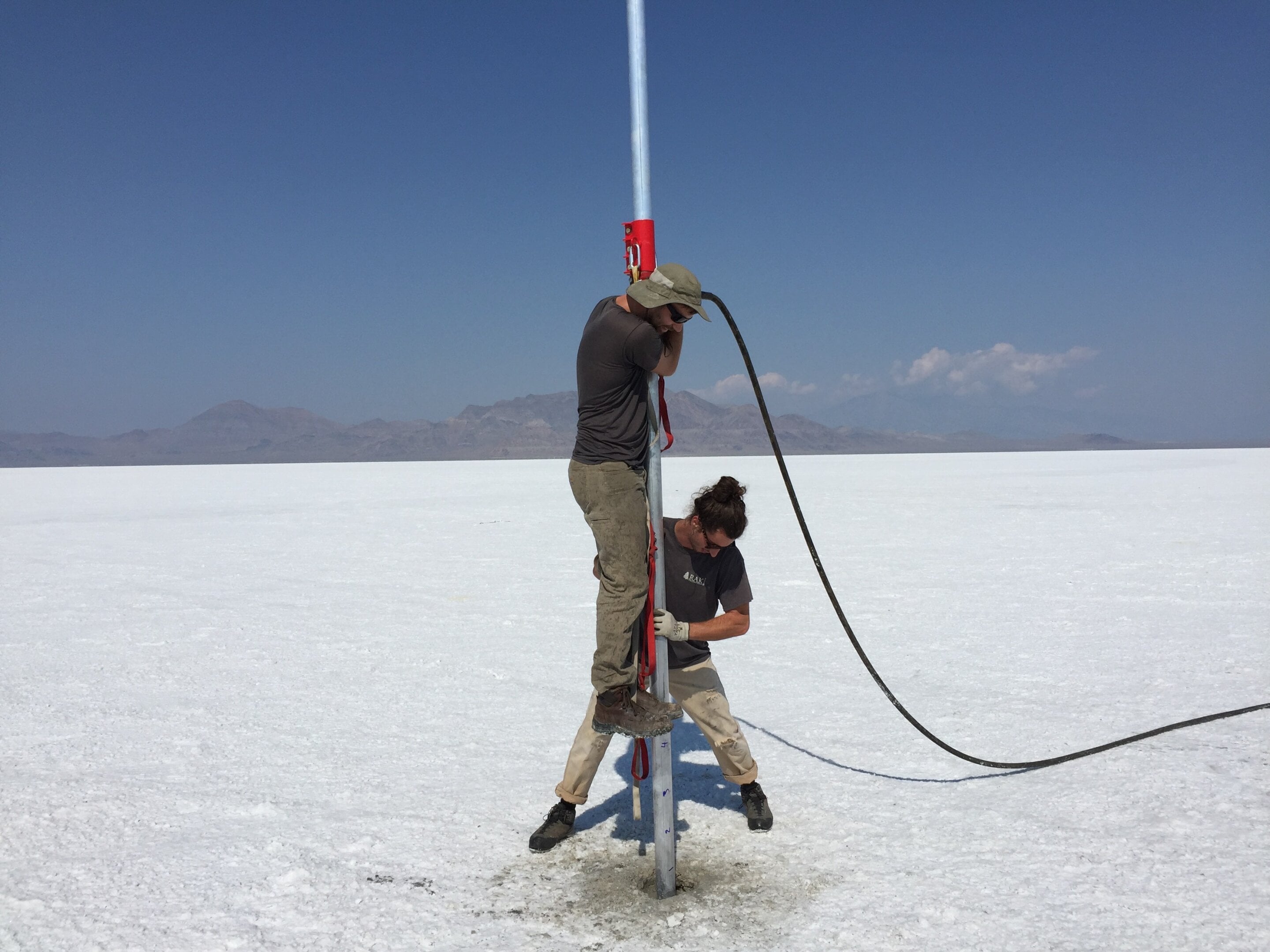
New research from the University of Utah challenges the long-held belief that the Bonneville Salt Flats were formed as Lake Bonneville dried up 13,000 years ago, revealing that the salt crusts actually began accumulating between 5,400 and 3,500 years ago. This study, published in the journal Quaternary Research, suggests that the landscape is more dynamic than previously understood, with evidence of erosion and accumulation of gypsum sand during dry periods. The findings have implications for managing the shrinking salt flats and offer insights into how this unique geological feature could be managed differently in the future.
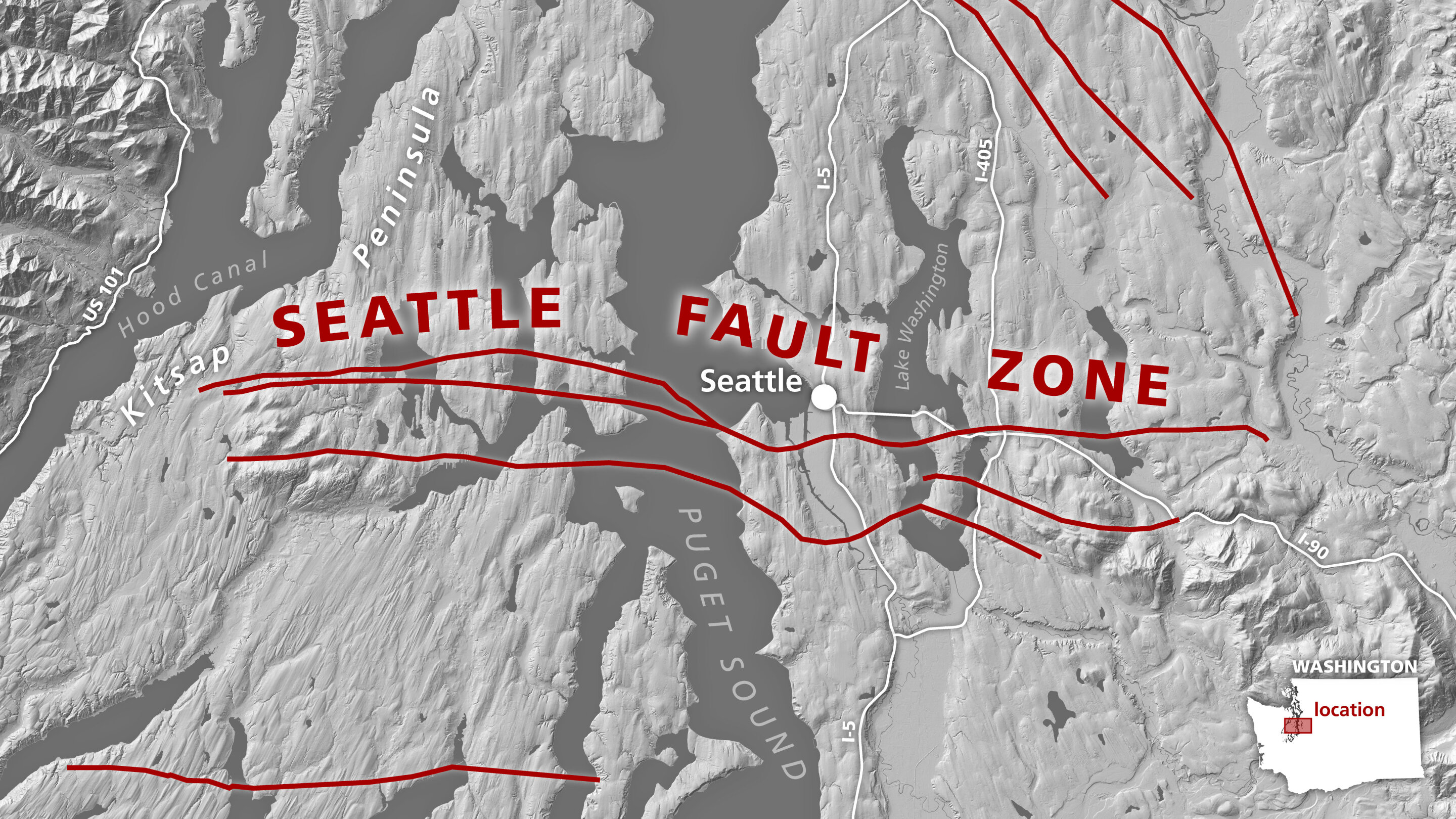
A new study proposes an origin story for the Seattle fault, suggesting that around 55 million years ago, an island chain was pulled toward the continent, leading to a major ancient fault that set the geologic stage for the modern Seattle fault. The study's findings provide valuable details about the bedrock under the Seattle basin, aiding in more accurate models of future ground shaking in the area and potentially improving hazard modeling for the densely populated region.