Tag

Early Earth

All articles tagged with #early earth

2.64-Billion-Year-Old Water Found in Canadian Mine Hints at Ancient Microbial Life
science20 days ago

2.64-Billion-Year-Old Water Found in Canadian Mine Hints at Ancient Microbial Life

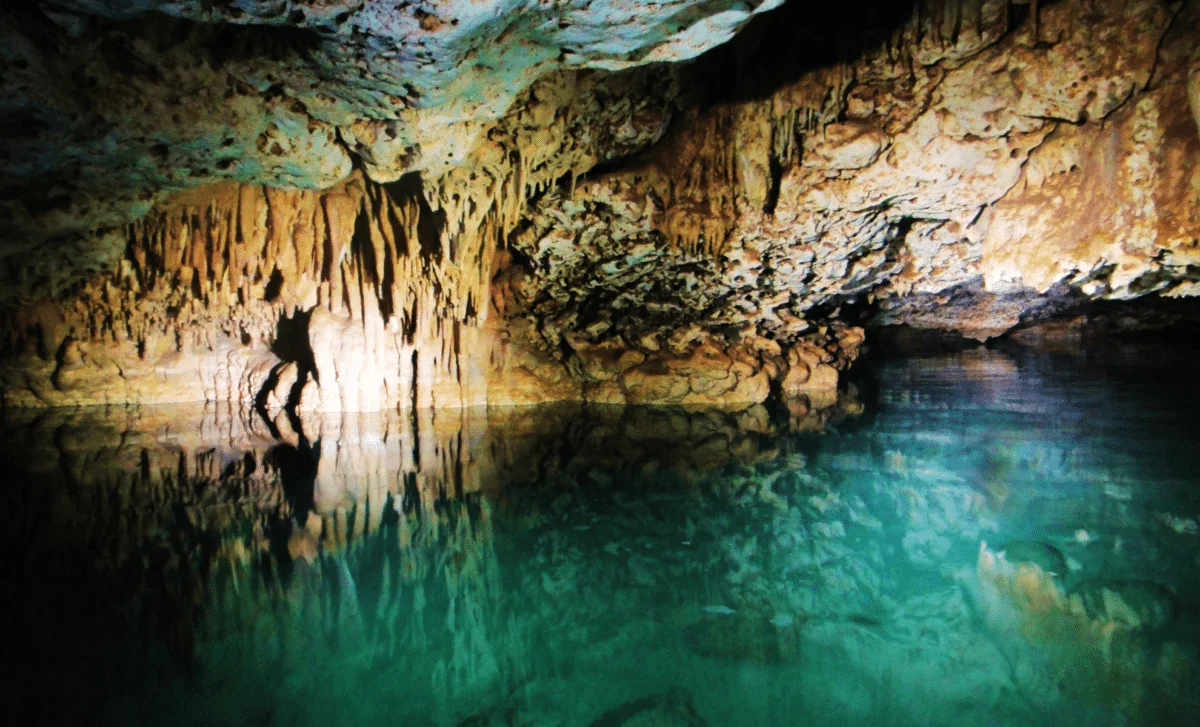
Geologists in the Kidd Creek Mine uncovered water dating to about 2.64 billion years ago—the oldest known on Earth—with chemical clues pointing to ancient microbial life. The sulfate present appears to be produced in place by rock–water reactions, and a scientist even tasted the water, finding it very salty and bitter, underscoring its long isolation and potential implications for life in extreme environments and on other worlds.

Ancient zircons push plate tectonics to 3.3 billion years ago
science1 month ago

Ancient zircons push plate tectonics to 3.3 billion years ago

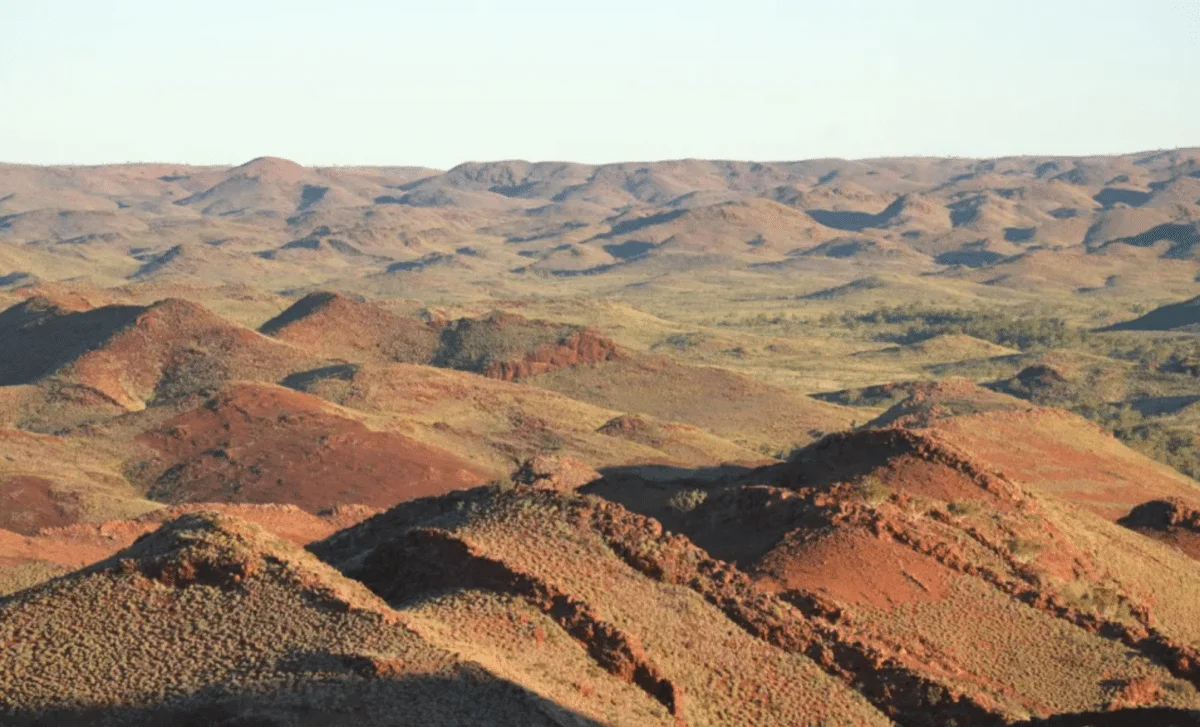
New analyses of 3.3‑billion‑year‑old zircon crystals from Jack Hills in Western Australia suggest Earth already hosted more atmospheric oxygen (and possibly more water) than previously thought, and that tectonic plates may have been moving by about 3.3 billion years ago—implying early Earth had geologic processes that recycle key chemicals and could support life, though the findings are debated and require further verification.

Origins Reimagined: Life May Have Begun in a Primordial Gel
science1 month ago

Origins Reimagined: Life May Have Begun in a Primordial Gel

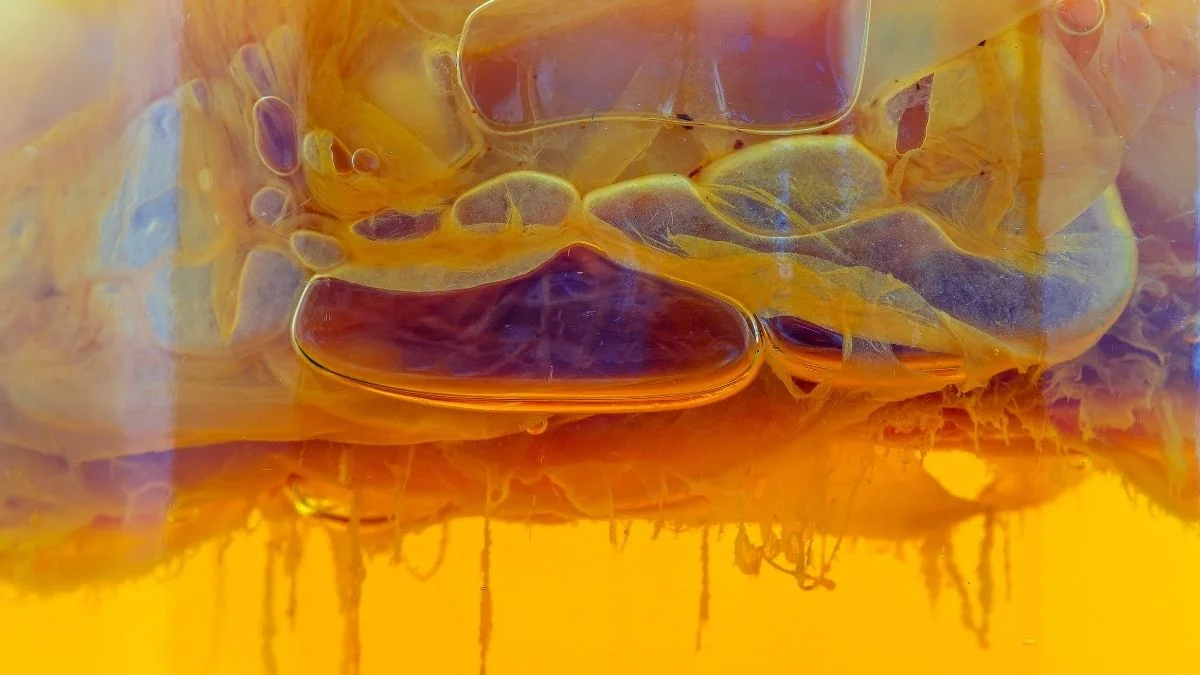
Researchers propose that life began in prebiotic gels—soft, structured matrices on early Earth that fostered chemical evolution toward protocells, via either phase separation or proto-films, within a protective, biofilm-like environment that shielded and shared resources. This gel-first view broadens the search for alien life to gel-based structures and challenges the traditional cell-first narrative.

Alaskan Meteorite Suggests Earth Formed Water Itself
science2 months ago

Alaskan Meteorite Suggests Earth Formed Water Itself

Scientists studying the Alaska-caught enstatite chondrite meteorite LAR 12252 found hydrogen sulfide in its rock matrix, a result unlikely from contamination. This supports the idea that Earth’s water could have formed from native materials during its formation, challenging the long-standing view that water was delivered later by water-rich asteroids.

Scientists Discover Earth's Oldest Common Ancestor, Redefining Life's Origins
science3 months ago

Scientists Discover Earth's Oldest Common Ancestor, Redefining Life's Origins

Scientists have identified the last universal common ancestor (LUCA) of all life on Earth, dating it to around 4.2 billion years ago. LUCA was a complex, cellular organism that thrived in hot, oxygen-free environments using hydrogen-based metabolism and had early immune systems, indicating rapid evolution of life shortly after Earth's formation.

Early Earth's Deep Mantle Held More Water Than Previously Believed
science3 months ago

Early Earth's Deep Mantle Held More Water Than Previously Believed

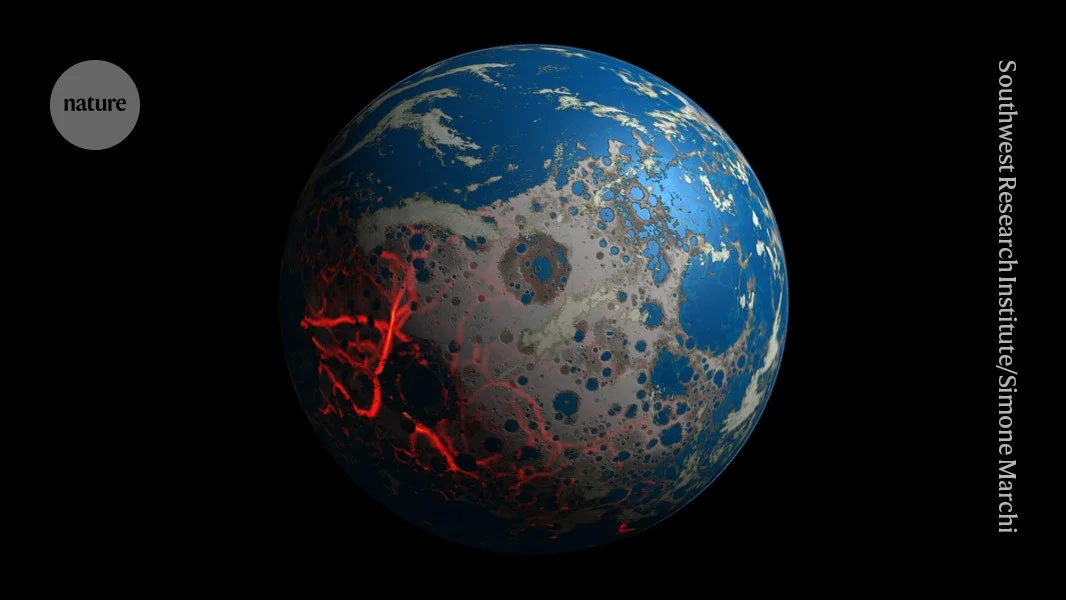
New research indicates that during Earth's early molten phase, vast amounts of water were stored deep within the mantle, particularly in the mineral bridgmanite, which acted as a microscopic water reservoir. This hidden water played a crucial role in Earth's evolution, helping it transition from a fiery planet to a habitable world by facilitating internal circulation and surface water formation.

Underwater Thermal Vents Likely Origin of Life's First Molecules
science5 months ago

Underwater Thermal Vents Likely Origin of Life's First Molecules

Scientists recreated ancient ocean conditions in the lab, demonstrating that natural gradients at hydrothermal vents could have driven the first chemical reactions of life, supporting the theory that life’s building blocks formed through inorganic processes powered by environmental energy, without the need for enzymes or organic molecules.

Plate Tectonics: Earth's Life Catalyst and a Clue for Extraterrestrial Life
science6 months ago

Plate Tectonics: Earth's Life Catalyst and a Clue for Extraterrestrial Life

Plate tectonics may have been crucial for the development of life on Earth by stabilizing climate and recycling minerals, and its early emergence could be linked to the origin of life itself. This geological process might also be a key factor in the habitability of other planets, although direct evidence and understanding of its history remain limited.