Tag

Earthquake Prediction

All articles tagged with #earthquake prediction

GPS Algorithm Pinpoints Kamchatka Quake Location, Not Timing
science2 months ago

GPS Algorithm Pinpoints Kamchatka Quake Location, Not Timing

Researchers at UC Riverside have developed a GPS-based algorithm that identifies where major earthquakes are likely to occur by detecting locked fault sections accumulating stress. The method successfully predicted the location of the 2025 Kamchatka 8.8-magnitude quake but cannot forecast timing or tsunami size. The team is now testing the approach on subduction zones in Japan, Mexico, and the Pacific Northwest, while emphasizing that public preparedness remains essential.

New Seismic Data Reveals Deeper Risks for Northern Oregon in Cascadia Quakes
science2 months ago

New Seismic Data Reveals Deeper Risks for Northern Oregon in Cascadia Quakes

Recent seismic imaging indicates the Juan de Fuca plate lies significantly shallower beneath northern Oregon than previously modeled, potentially increasing ground shaking intensity by 9 to 17 percent. Researchers also identified a sedimentary basin under Tillamook that could trap and amplify seismic waves. While the broader subduction zone is slowly fragmenting, these findings suggest future megathrust earthquakes may cause more severe damage to structures in the region.

Cracking the Seismic Code: Parkfield's Forecast and the Quest for a Crystal Ball
planet-earth10 months ago

Cracking the Seismic Code: Parkfield's Forecast and the Quest for a Crystal Ball

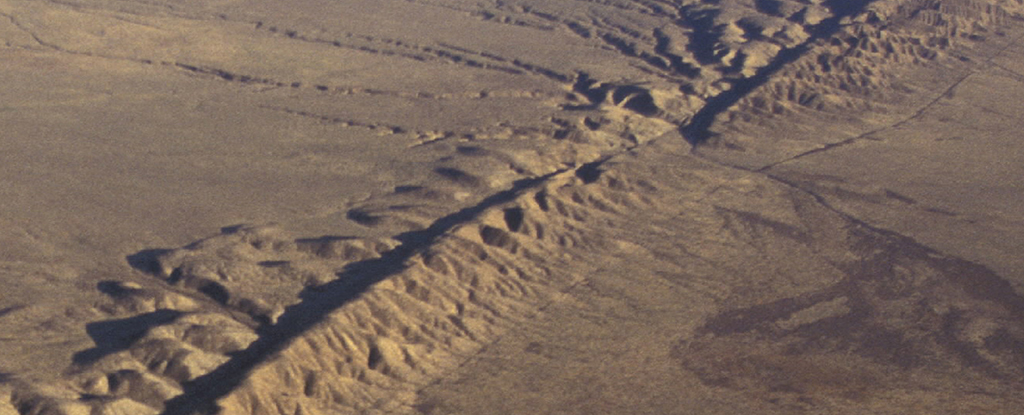
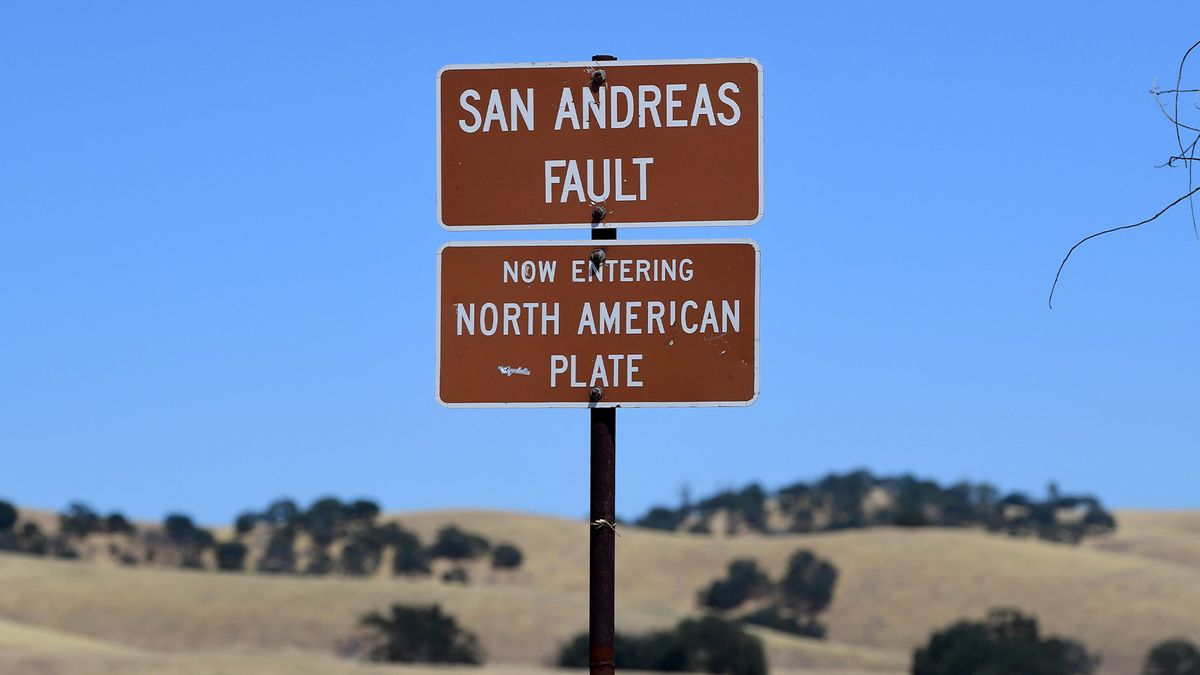
The piece examines why predicting earthquakes is so challenging, using California’s Parkfield Experiment on the San Andreas Fault as a focal point. Although scientists predicted a quake between 1985 and 1993, a magnitude-6.0 event occurred in 2004—11 years later—highlighting the inherent uncertainty of fault behavior. The article explains how fault geometry, subsurface properties, and limited historical data complicate forecasts, while noting advances in hazard maps, sensor networks, InSAR, GPS, and AI that improve risk assessment and move toward a practical (though not perfectly precise) seismic 'crystal ball.'

Scientists Capture Rare Slow-Motion Earthquake in Japan
science1 year ago

Scientists Capture Rare Slow-Motion Earthquake in Japan

Scientists from the University of Texas captured a rare slow-motion earthquake along Japan's Nankai Fault using advanced borehole sensors, revealing that parts of the fault act like shock absorbers and that fluids play a key role in these events. This discovery enhances understanding of tectonic processes, potentially improving earthquake prediction and safety measures.

"San Andreas Fault Zone Showing Signs of Imminent Earthquake Activity, Scientists Warn"
natural-disasters2 years ago

"San Andreas Fault Zone Showing Signs of Imminent Earthquake Activity, Scientists Warn"

A study suggests that a section of the San Andreas fault in California, known as Parkfield, may be exhibiting unusual behavior, indicating a potential for a significant earthquake. The lead author of the study, Luca Malagnini, acknowledges the difficulty in predicting earthquakes but expresses hope for identifying early signs. While the possibility of scientifically predicting earthquakes remains uncertain, ongoing research aims to improve understanding and potentially mitigate future earthquake-related disasters.

"Potential Earthquake Activity Detected Along San Andreas Fault"
science2 years ago

"Potential Earthquake Activity Detected Along San Andreas Fault"

A section of the San Andreas fault known as Parkfield in Central California, where earthquakes occur regularly, may be showing signs of an imminent earthquake. New research suggests that a distinct signal related to the opening and closing of cracks beneath the subsurface may precede seismic activity. While the fault segment is not currently exhibiting this signal, researchers are closely monitoring it for potential clues to predict the next quake, which could help save lives. The study's lead author, Luca Malagnini, believes that the next earthquake may occur this year, but the epicenter may not be in the same place as the 2004 quake.

"Uncovering Tectonic Activity: Insights from Ancient Rocks"
geology2 years ago

"Uncovering Tectonic Activity: Insights from Ancient Rocks"

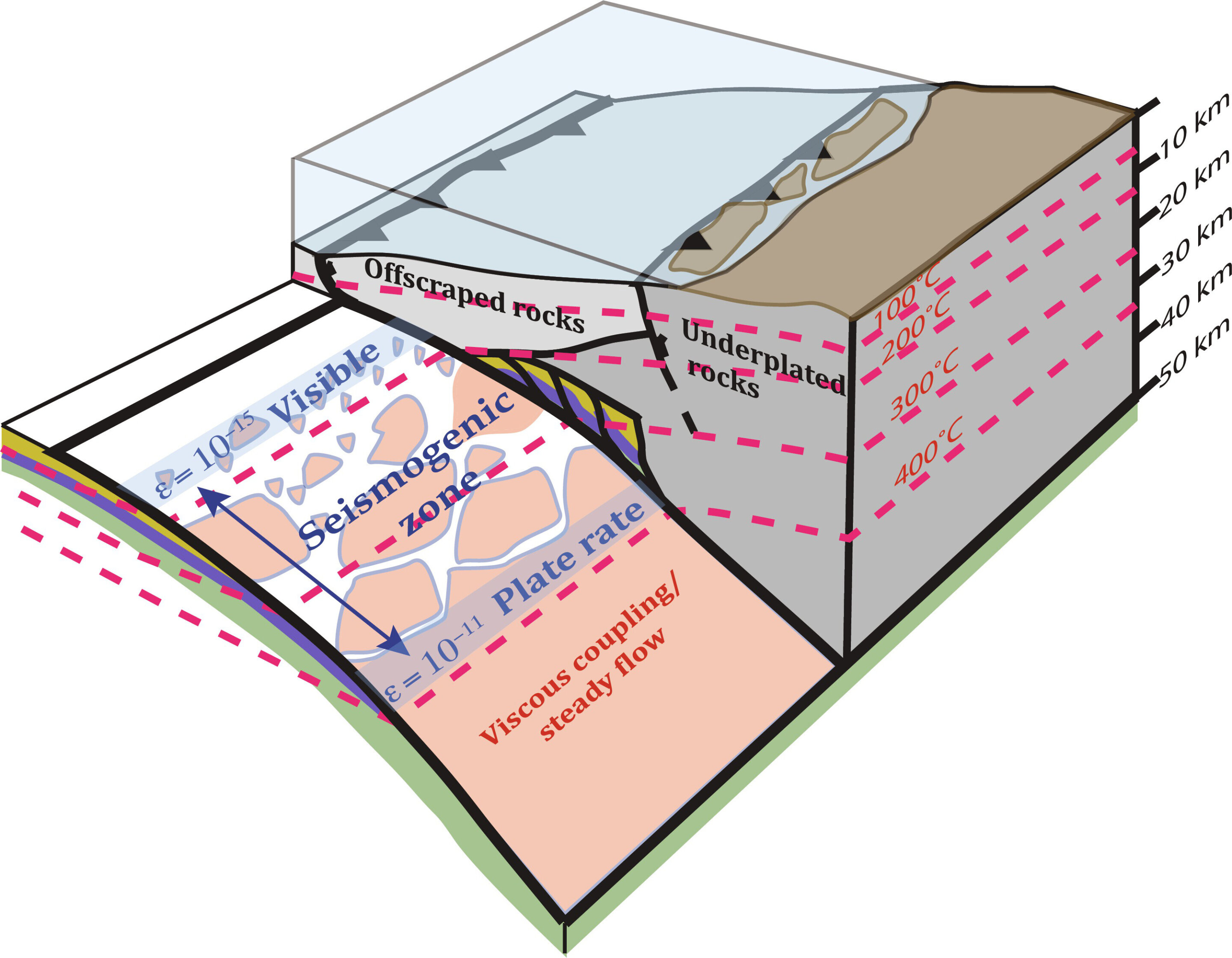
Researchers from Penn State and Brown University have studied ancient rocks from subduction zones to develop a new model for predicting pressure solution activity in these zones between major earthquakes. The study provides insights into how rocks deform under pressure, influencing tectonic plate movement. The findings could improve earthquake predictions and have been applied to the Cascadia Subduction Zone, suggesting potential for a major earthquake in the region.

Tibet's Splitting: Indian Tectonic Plate Divides Beneath Himalayas
earth-science2 years ago

Tibet's Splitting: Indian Tectonic Plate Divides Beneath Himalayas

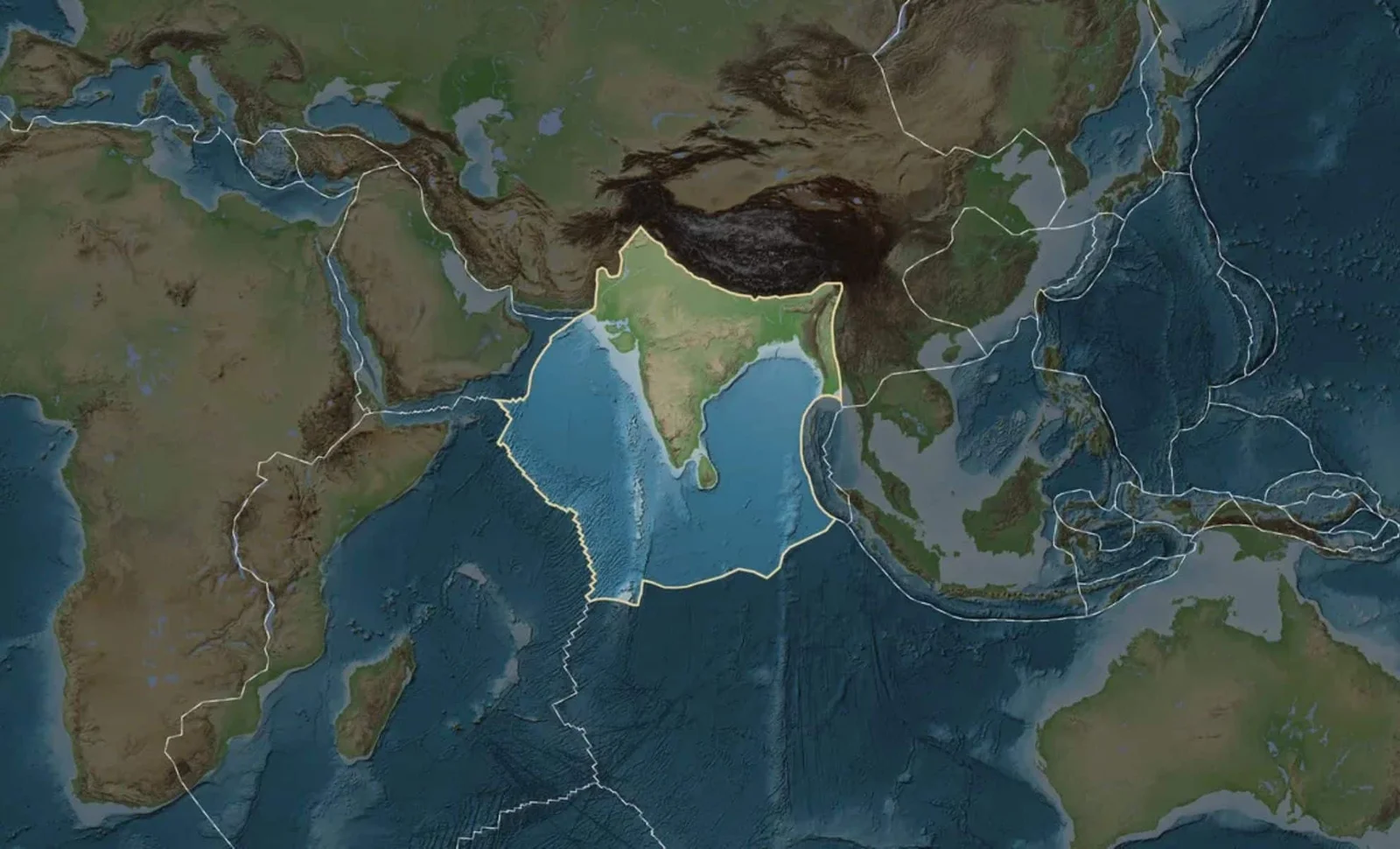
Researchers have found that the Indian tectonic plate is likely splitting in half as it moves underneath the Eurasian Plate, providing empirical evidence of this phenomenon. This discovery could lead to a better understanding of tectonic plate movements and improve earthquake prediction tools for a more accurate warning system.

AI's Earthquake Predictions: A Game-Changer in Disaster Preparedness
science-and-technology3 years ago

AI's Earthquake Predictions: A Game-Changer in Disaster Preparedness

Artificial intelligence (AI) is being explored as a tool to enhance earthquake prediction capabilities by analyzing large datasets of seismic activity and identifying patterns or anomalies. Some AI models can predict earthquakes with a high degree of probability by examining geological features and previous seismic data, but precise predictions are still a challenge.

"UCSC and TU Munich Researchers Introduce RECAST: Deep Learning for Accurate Aftershock Prediction"
science-and-technology3 years ago

"UCSC and TU Munich Researchers Introduce RECAST: Deep Learning for Accurate Aftershock Prediction"

Researchers from UCSC and TU Munich have developed a new deep learning-based model called RECAST to forecast aftershocks. The model outperformed the older ETAS model, especially with larger datasets, and showed potential for revolutionizing earthquake forecasting. It can handle different earthquake datasets, combine information from various regions, and predict earthquakes in less-studied areas. The model also allows researchers to access different data types for earthquake prediction, such as continuous ground motion data.

Advancements in GPS Data Bring Hope for Earthquake Prediction
science-and-technology3 years ago

Advancements in GPS Data Bring Hope for Earthquake Prediction

French researchers Quentin Bletery and Jean-Mathieu Nocquet claim to have discovered a way to predict major earthquakes hours before they occur. Their analysis of 90 past earthquakes suggests that a "precursory slip" phase occurs within two hours before the earthquake, providing enough time for officials to issue warnings. While the study still needs to be confirmed, if their discovery is real, it could potentially save lives and protect critical infrastructure. However, implementing this prediction method would require an expensive retooling of the GPS system and the construction of an extensive GPS sensor network along major earthquake rupture faults.