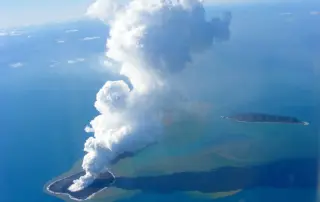
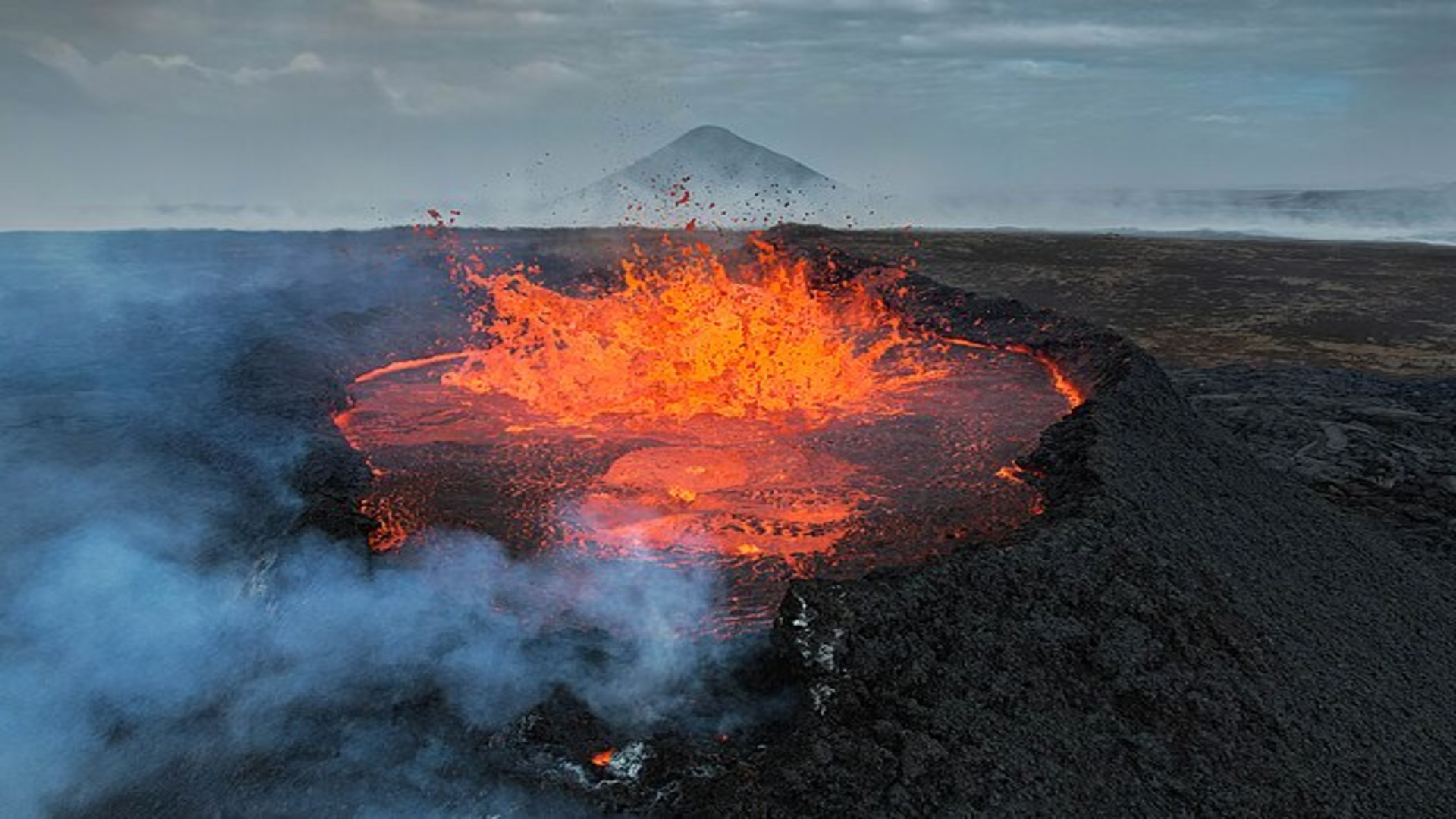
A new study links the 2022 Hunga Tonga eruption to a massive tsunami caused by a rapid, piston-style caldera collapse. Separately, satellite data reveals the eruption triggered unprecedented stratospheric methane destruction via chlorine reactions.
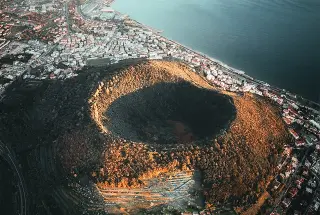
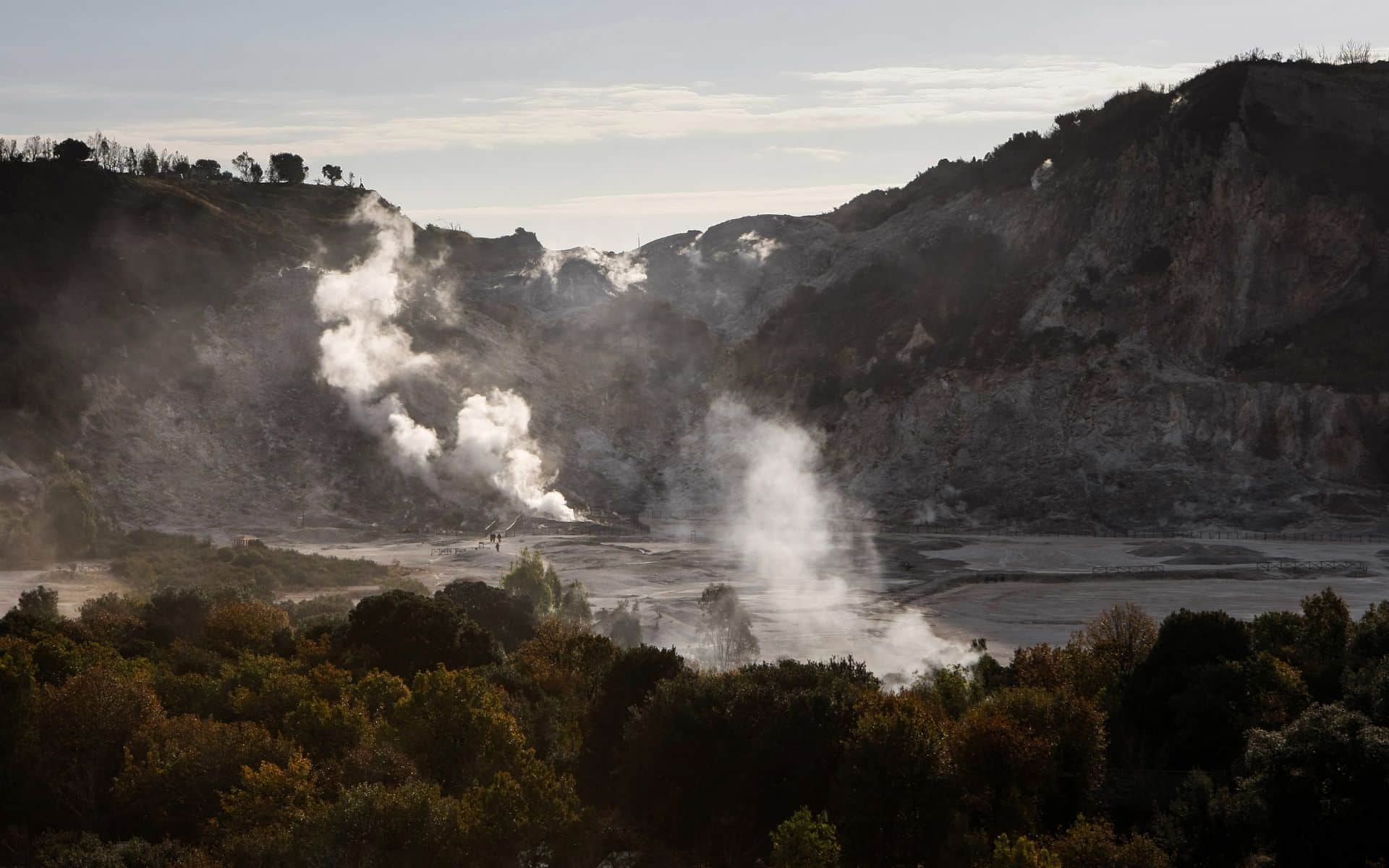
Campi Flegrei, the Naples-area caldera, is showing decades-long uplift and seismicity that have gradually weakened the shallow crust and pushed deformation into an inelastic regime, where cracks and faulting rather than simple bending accommodate pressure. Recent research and surveillance indicate magma and pressurized fluids are involved, with magma movement from depths around 8 km and a dynamically evolving hydrothermal system, but Italy’s INGV notes no signs of imminent eruption (yellow alert) as of late 2026. The 2026 quake sequence and continued uplift highlight a potentially different crisis path than past events, underscoring the need for sustained monitoring.
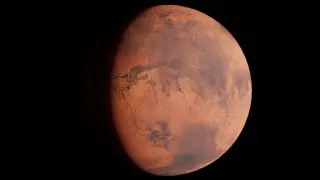
Olympus Mons on Mars rises about 22 km above the plains and spans roughly 600 km, making it the solar system’s tallest volcano. Its vast width means the summit is often invisible from the slopes, a result of its gentle, shield‑volcano profile built by countless lava flows; its rim is steep and a sprawling 80‑km caldera sits at the top, a consequence of Mars’s stationary crust and lower gravity.
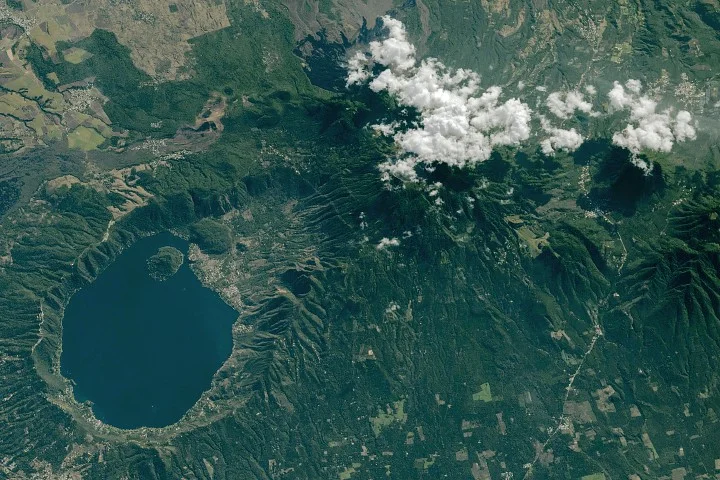
NASA’s Earth Observatory highlights Lake Coatepeque in El Salvador, a blue caldera lake formed by ancient eruptions. A February 10, 2026 ISS image captures the surrounding volcanic landscape and the caldera’s rim near Santa Ana; while Santa Ana remains active, Coatepeque has had no eruptions in the Holocene. The lake’s sometimes turquoise color is linked to natural mineralization and pigments from microalgae/cyanobacteria. The image, taken with a Nikon Z9, illustrates the Central American Volcanic Arc and the human development around the lake.
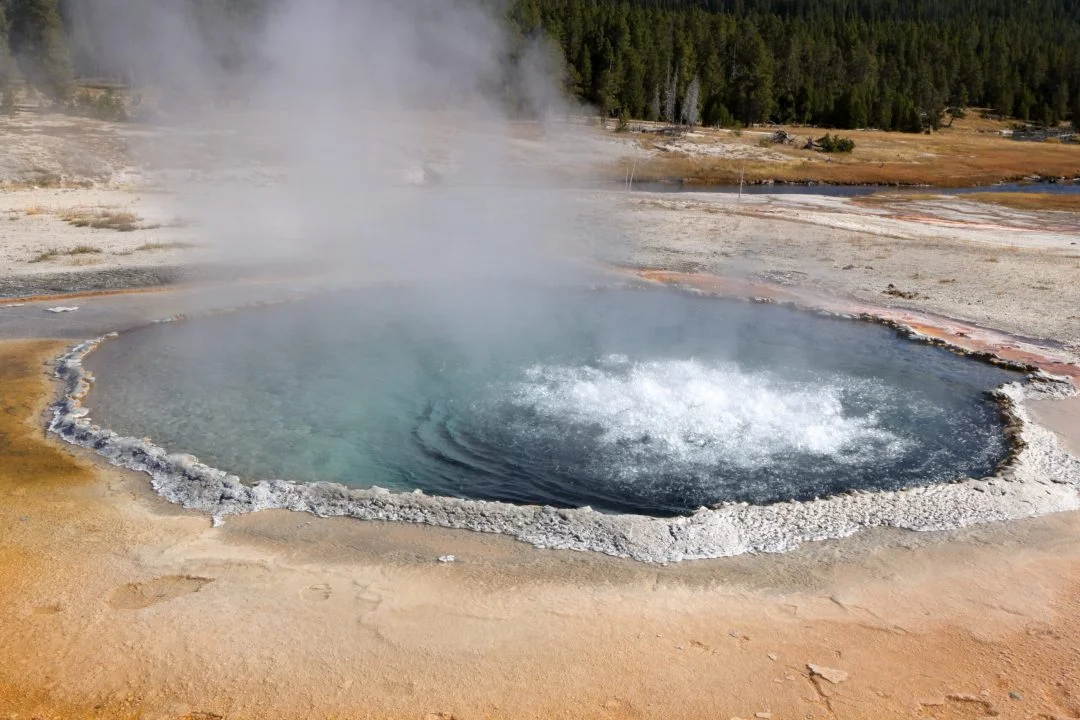
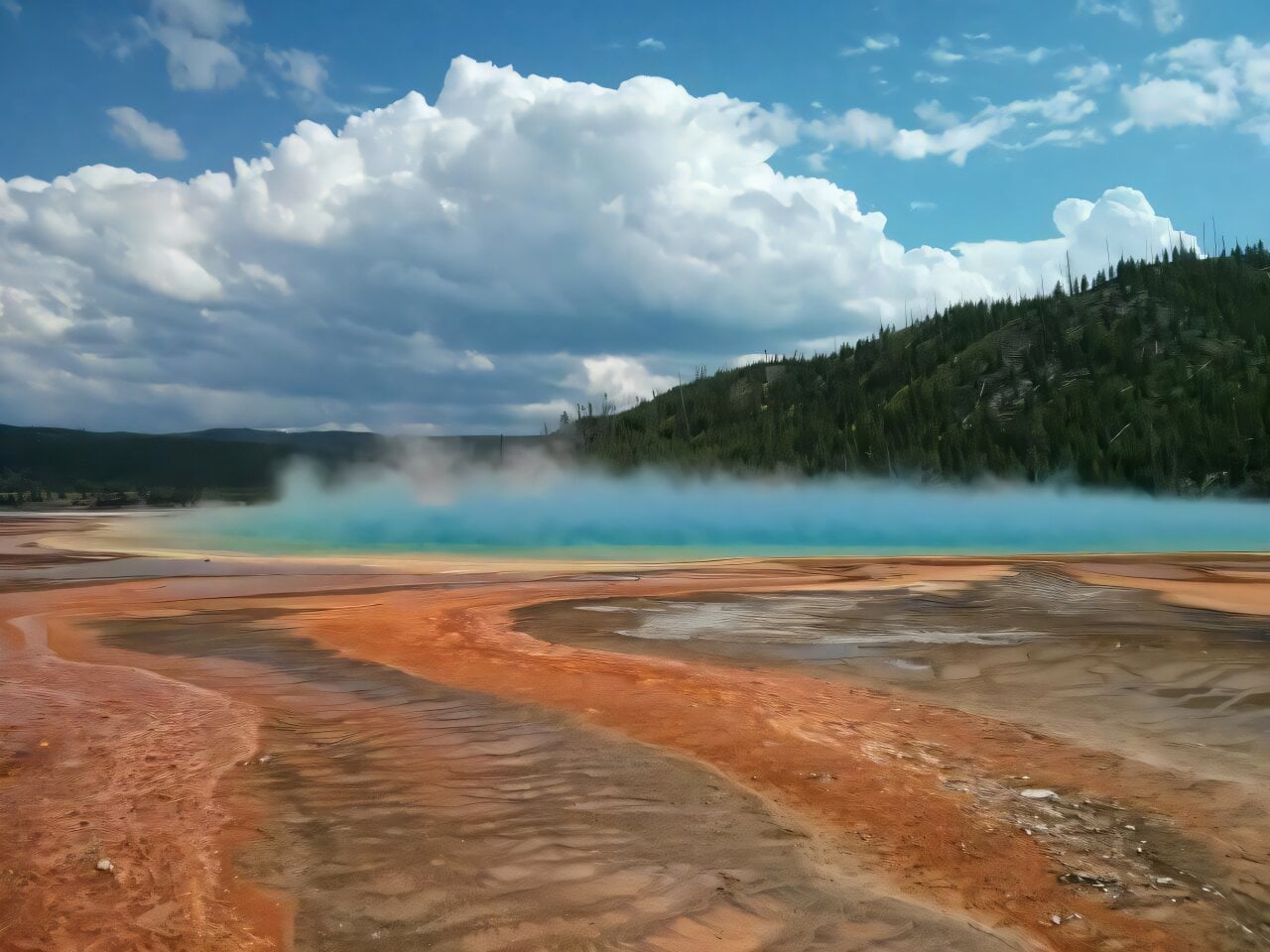
Ground around Yellowstone’s northern caldera has risen about an inch over a 20-mile area since July, a deformation linked to deep magma movement. Scientists say this is normal activity for the hotspot and not a sign of an imminent eruption, noting Yellowstone hasn’t erupted in about 70,000 years. Public reporting and USGS footage emphasize there’s no eruption threat at this time.
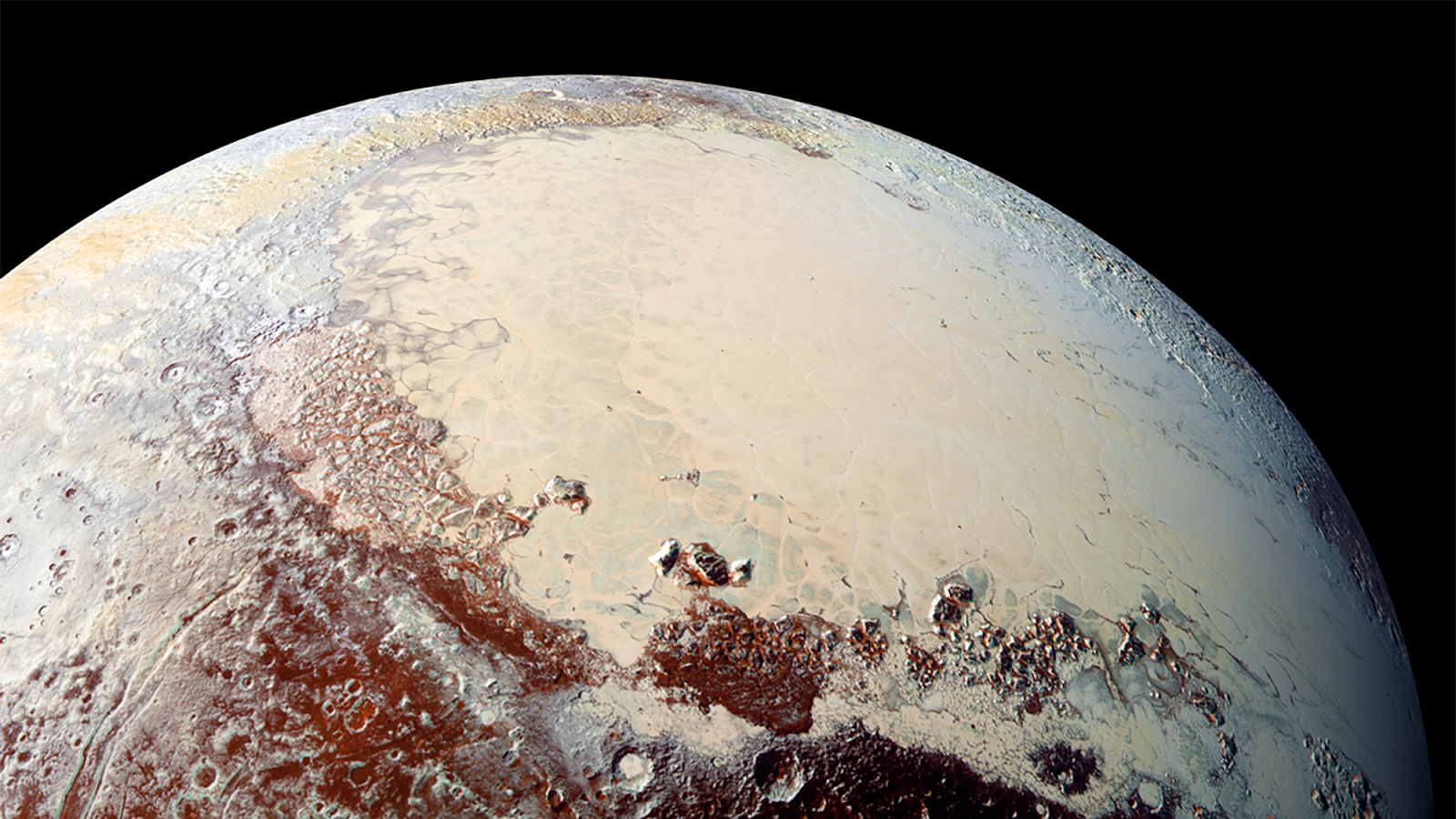
New research suggests that Kiladze, a feature on Pluto previously thought to be an impact crater, is more likely a caldera from a supervolcano eruption, indicating recent geological activity and potential residual warmth in Pluto's interior.
A new study using machine learning analyzed 15 years of seismic data from Yellowstone, uncovering ten times more earthquakes than previously recorded, revealing insights into earthquake swarms and fault structures that could improve safety and geothermal energy development.
Campi Flegrei near Naples, Italy, has a history of massive eruptions and ongoing seismic unrest, but current signs do not indicate an imminent major eruption. Researchers are studying its complex internal structure and fluid buildup to better understand potential risks and improve monitoring and mitigation strategies for the densely populated region.
A team from Kobe University has found that a 7,300-year-old volcanic eruption is the largest in the past 11,700 years, ejecting over 4,500 square kilometers of lava. High-resolution marine seismic reflection surveys revealed that the submarine deposits cover an estimated volume of over 71 cubic kilometers based on the isopach map.
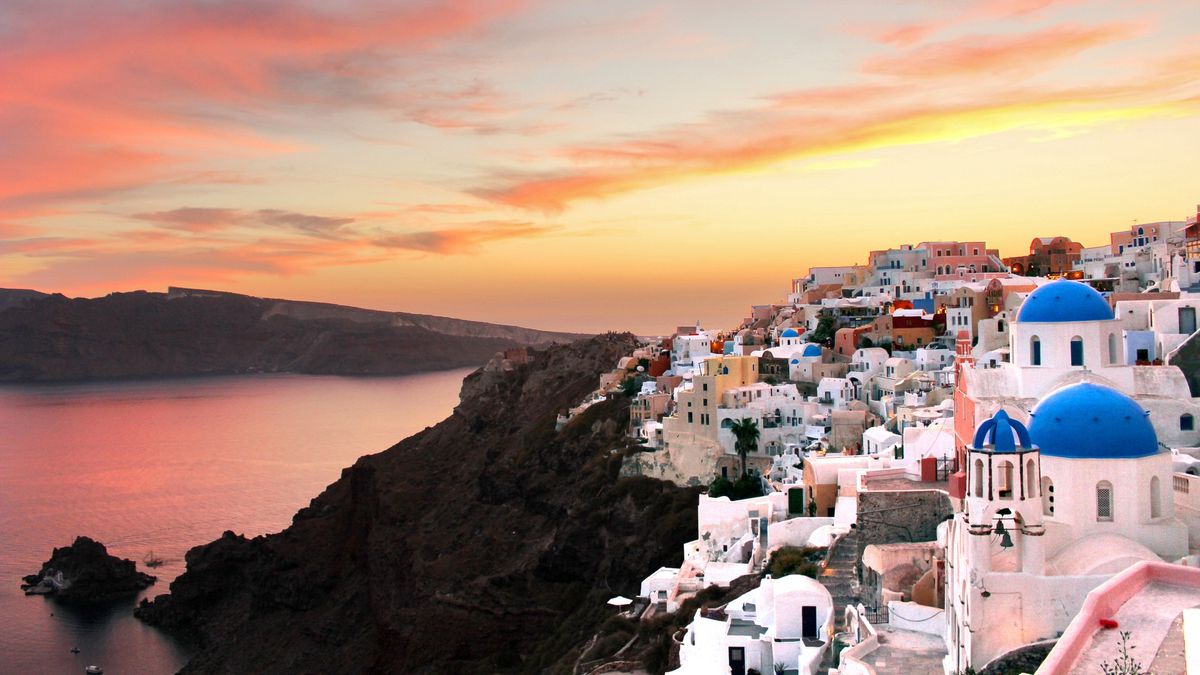
A new study reveals that an eruption at Santorini volcano 1,300 years ago was far more violent than previously thought, with a magnitude similar to the 2022 Tonga eruption. The findings suggest that explosive blasts can occur even in periods of relative quiet, challenging previous assumptions about the volcano's behavior. The eruption ejected a significant amount of material, indicating an elevated hazard potential for the eastern Mediterranean region. This research highlights the need for continued monitoring and assessment of volcanic activity in the area.
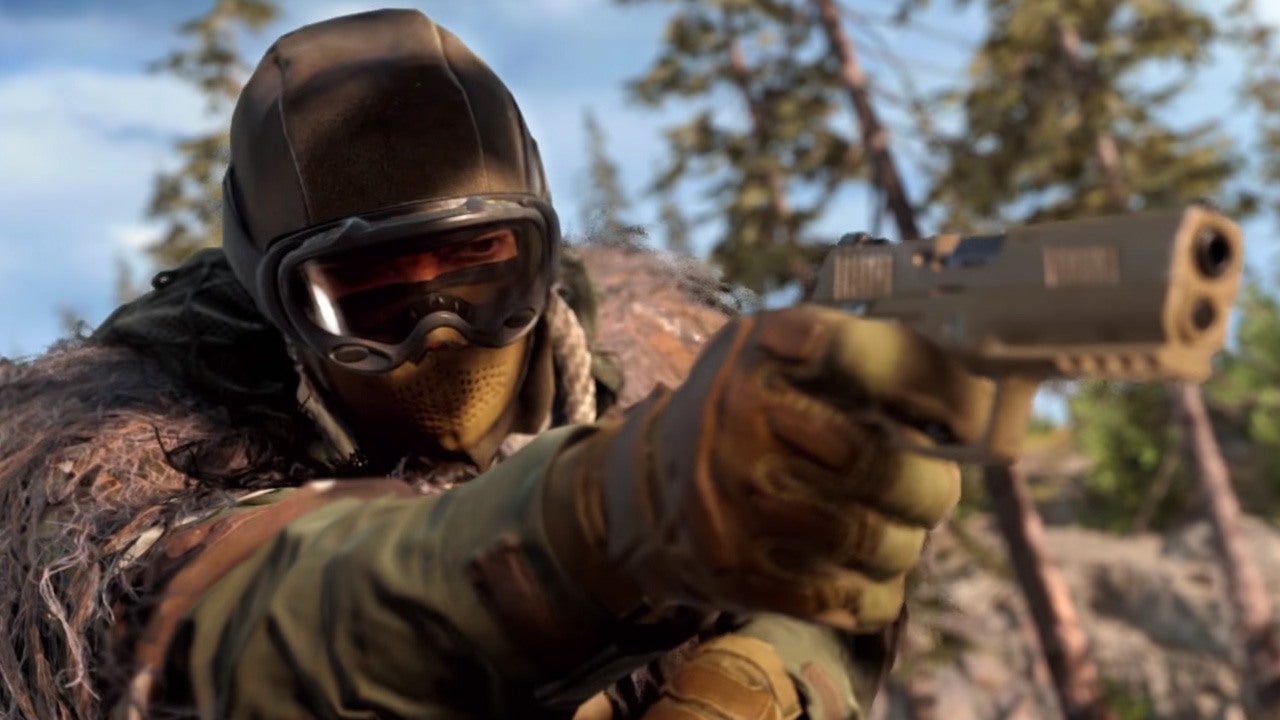
Call of Duty: Warzone Caldera will be shut down on September 21 to focus on future Call of Duty content, including the current Warzone free-to-play experience and the upcoming Call of Duty: Warzone Mobile. The shutdown does not affect the multiplayer in Modern Warfare 2019, Black Ops Cold War, or Vanguard, nor does it impact the current iteration of Warzone. Call of Duty is expected to return to Modern Warfare when it releases later this year.
Top Warzone 2 pros and streamers are returning to Caldera due to frustrations with the current game and its direction. Many players prefer the feel and gameplay of Warzone 1. Streamers have been celebrating the fluid movement and heightened skill gap of Caldera. Some top stars have even taken to trolling Activision and the devs. The playerbase is dropping, and the devs will need to make changes to win over players.