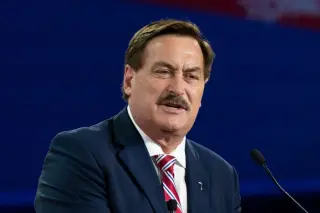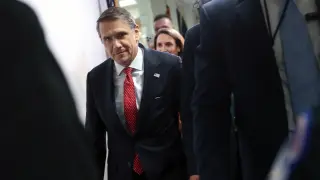
The article highlights a controversial push surrounding a proposed 1.8 billion DOJ fund tied to Trump, with MyPillow founder Mike Lindell seeking millions and former FBI director James Comey saying he would be in line, signaling high-profile attention and partisan contention over the fund.
Advisers around Donald Trump revived a plan to compensate allies they perceive as unfairly targeted by federal investigations, creating a DOJ-linked fund drawn from a Treasury account used for settling lawsuits. The initiative could disburse up to about $1.8 billion, with broad eligibility that includes Jan. 6 participants and others who faced scrutiny, prompting CCP and GOP backlash, lawsuits, and questions about oversight, legality, and potential conflicts of interest as the funding moves forward.
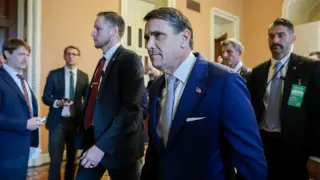
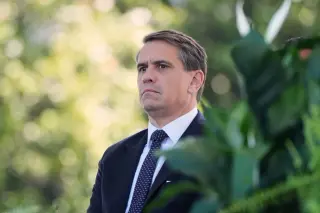
Acting A.G. Todd Blanche is meeting with Republican senators to defend the DOJ’s new $1.8 billion fund intended to compensate people who allege DOJ overreach during the Biden era, a plan Republicans condemn as a 'slush fund' that could pay those who attacked police on Jan. 6; Democrats have proposed measures like a 100% tax on payments and other constraints, while Blanche will appoint all five commissioners to administer the fund, keeping the controversy in Congress.
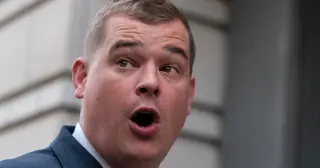
Mike Howell, a Republican lawyer and close ally of Ed Martin, the DOJ pardon attorney, has asked Acting AG Todd Blanche to appoint him to one of five seats on the new anti-weaponization fund’s board. The fund, created as part of a $10 billion settlement with Trump over the IRS leak, will distribute more than $1.7 billion to people claiming government “weaponization” through 2028. If chosen, Howell would oversee payments; he leads the Oversight Project and is a Heritage Foundation fellow. The bid is the first publicly known attempt to join the commission; DOJ did not comment. A separate former Trump adviser, Michael Caputo, has also sought restitution from the fund.
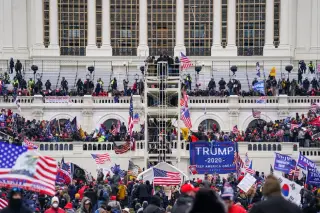
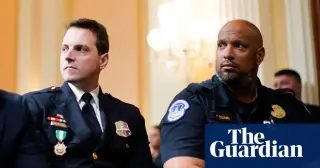
Two officers who defended the Capitol on January 6 filed a federal lawsuit accusing President Trump of creating a $1.776 billion taxpayer-funded 'anti-weaponization' fund to compensate insurrectionists, calling it presidential corruption; the fund arose from a settlement linked to a prior IRS suit, with Trump aides named as defendants. The case adds to ongoing scrutiny of Trump’s post-2020 finances and rhetoric.
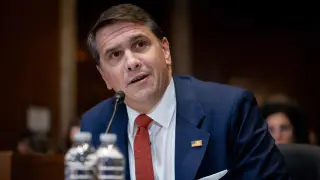
Acting Attorney General Todd Blanche is set to answer Senate questions about a nearly $1.8 billion fund intended to compensate Trump allies, spotlighting intensified congressional scrutiny of how this money is spent and overseen across the Justice Department.
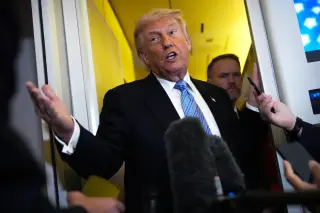
Trump agrees to drop the family’s lawsuit against the IRS as part of a settlement that creates a nearly $1.8 billion “Anti-Weaponization Fund” to compensate people who allege a weaponized justice system. The fund excludes Trump and his family from payments, but would distribute funds to others with quarterly reporting and audits; the deal also resolves two other claims—the Mar-a-Lago search and the 2016 Russian interference investigation. Legal experts warn the arrangement could pose conflicts of interest or self-dealing, given DOJ oversight and presidential influence over the agency, and questions remain about transparency and how payments would be disclosed.
Trump administration officials are weighing a nearly $1.8 billion fund, named the President Donald J. Trump Truth and Justice Commission, to compensate allies who feel they were unfairly targeted by DOJ investigations as part of ongoing talks to resolve the president’s $10 billion IRS lawsuit; details aren’t finalized, funds could come from various agencies, and a public announcement could come soon.
San Francisco Mayor Daniel Lurie signed a measure to create a reparations fund for Black residents harmed by past city laws, relying on private funding as the city faces a nearly $1 billion deficit and cannot allocate public funds for the initiative.
NATO is planning to create a $100 billion fund to support Ukraine, aiming to bolster the country's defenses and make it less reliant on U.S. military aid, in a move seen as a response to concerns about the unpredictability of future U.S. administrations. The fund, dubbed the "Ukraine Security Investment Initiative," is intended to provide financial assistance for Ukraine's defense and security needs, and is seen as a way to ensure continued support for the country regardless of changes in U.S. leadership.
NATO Secretary General Jens Stoltenberg is proposing a $100 billion fund over five years to aid Ukraine, with alliance leaders set to discuss and potentially finalize the proposal in July. Discussions are ongoing regarding the mechanics of the accounting, including the potential inclusion of bilateral aid to Ukraine in the overall sum.
The Church of England's advisory panel has recommended creating a 1 billion-pound fund to address its historic links to slavery, which is 10 times the amount previously set aside. The fund, known as the Fund for Healing, Repair and Justice, aims to invest in disadvantaged Black communities and support social entrepreneurs, educators, healthcare givers, asset managers, and historians. The church's wealth fund, rooted in historical connections to the trans-Atlantic slave trade, will be used to address its "shameful past," according to Archbishop of Canterbury Justin Welby. However, the commitment falls short of demands for direct compensation to descendants of the enslaved, and the church has been urged to apologize for its past actions.
Calls are growing for the establishment of a global fund to address air pollution, which is responsible for the deaths of seven million people annually from illnesses such as heart disease, cancer, and pneumonia. Despite its significant impact on public health, air pollution has not received the same level of global recognition and funding as other health issues like Aids, tuberculosis, and malaria. Advocates argue that investing in tackling air pollution could help reduce multiple non-communicable diseases (NCDs) and improve public health outcomes, particularly in lower and middle-income countries where the impact is most severe. However, some experts caution that addressing air pollution and NCDs requires complex, multi-sectoral solutions that may be challenging for a single global fund to manage.
Blackstone is moving forward with its plans to launch a retail-focused private equity fund, signaling a shift in the private equity industry's traditional focus on institutional investors. The fund aims to capitalize on the growth of e-commerce and changes in consumer behavior, with Blackstone seeking to invest in companies that can benefit from these trends. This move reflects the increasing interest in retail investments and the potential for significant returns in the sector.
China is planning to launch a $40 billion fund to support its semiconductor industry, with about $8 billion expected to come from the country's finance ministry. The fund, the third from the China Integrated Circuit Industry Investment Fund, aims to raise a total of $41 billion. This comes shortly after Huawei announced its new smartphone, the Mate 60 Pro, featuring homegrown chips developed in partnership with Semiconductor Manufacturing International Corp (SMIC). The move highlights China's efforts to strengthen its chip manufacturing capabilities despite restrictions imposed by the US and other countries.