Russian-occupied Oleshky faces a severe humanitarian crisis with no food or water since May. Residents, including 200 children, are surviving on garden weeds and scraps. Ukraine and religious leaders urge international pressure, while Russia admits supply issues but blames Kyiv.
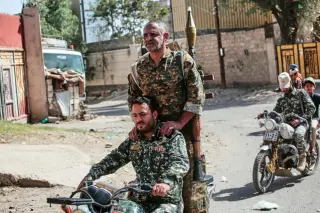
Iran urged Saudi Arabia to lift Yemen’s blockade after Houthi rebels captured the key Red Sea port of Mokha, raising risks to shipping routes and oil flows. The Houthis have attacked ships in Bab el-Mandeb since July in retaliation for the blockade, complicating a fragile ceasefire as Iran–Saudi talks continue to seek stability. The fighting has forced tens of thousands to flee, underscoring ongoing humanitarian concerns amid regional diplomacy.
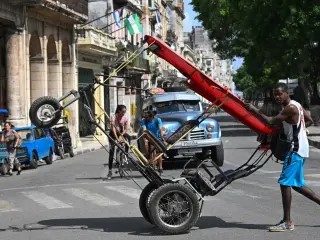
Cuba says it is not negotiating with the United States amid a record economic toll from the embargo, which Havana estimates at $8 billion in the past year and which has contributed to severe electricity shortages; Foreign Minister Bruno Rodríguez calls the blockade genocidal and says the intention is to pressure Cuba, as energy sanctions and other measures worsen daily life and a UN General Assembly vote to end the embargo looms in late October.
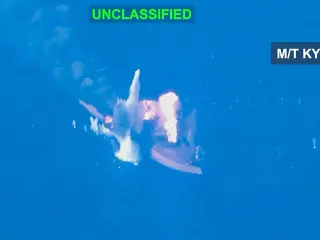
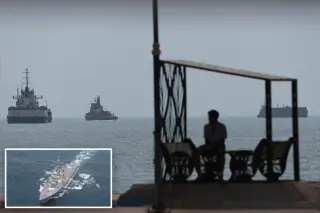
Amid a widening naval standoff, CENTCOM released footage of three Iranian crude-oil tankers being struck (two permanently disabled, one sunk) and Iran’s IRGC claiming explosions against US ships and missiles toward a carrier. Tehran warns of faster, heavier responses as Washington maintains a blockade and sanctions, with oil traffic through the Strait of Hormuz disrupted and rerouted, and both sides trading accusations while Iran forms an economic-response command to counter pressure.
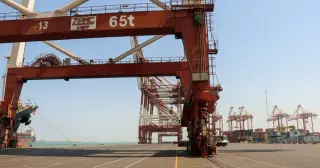
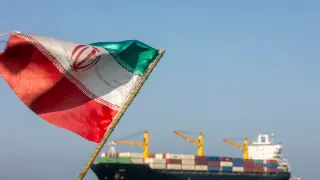
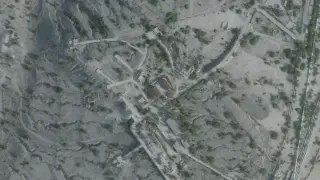
Satellite imagery reviewed by Iran International shows a sharp drop in visible shipping activity at Shahid Rajaee and Imam Khomeini ports since the US blockade was reimposed in mid-July, signaling a major squeeze on Iran’s imports and exports as container traffic and oil loadings decline and the economy tightens under sanctions and currency pressures.
Iran’s economy is under growing strain from renewed U.S. sanctions and a tightened naval blockade that has slashed oil exports to about 250,000 barrels per day in August from roughly 2 million at the war’s height, squeezing foreign currency and imports amid high inflation and a falling rial. The U.S. has intercepted or redirected 86 vessels, and Tehran warns it still has tens of millions of barrels afloat, but restocking opportunities are blocked by the blockade.
James F. Jeffrey argues that six months into the US-Israel campaign against Iran, a mutual blockade of the Strait of Hormuz has produced a strategic stalemate that is the least bad option: it avoids decisive defeat or escalation while gradually weakening Iran’s economy and preserving space for negotiation. The United States should sustain the dual blockade indefinitely, accepting higher domestic energy costs while pressuring Tehran, and deter major Iranian escalation with credible threats of a devastating counteroffensive. If Iran escalates, Washington must be prepared to respond decisively; if not, the stalemate could yield concessions similar to terms from the earlier memorandum, though a withdrawal or invasion would be far costlier and risk broader war.
A resumed US naval blockade off Iran’s southern coast, active since mid-July, has disrupted more than 80% of Iran’s heavy imports and non-oil exports, sending inflation toward 70% and food inflation to around 128%. Euronews Farsi interviews with Iranians across sectors describe stranded cargo and soaring freight costs, with container rates jumping from about $3,000 to $10,000 and rerouting through places like Mersin creating bottlenecks. From Bandar Abbas to Rimdan, logistics have collapsed, driving up truck and maintenance costs, shrinking consumer purchasing power, and pushing small businesses toward bankruptcy. The economic strain has already reduced daily shopping and medical supplies, threatening protests if the blockade persists.
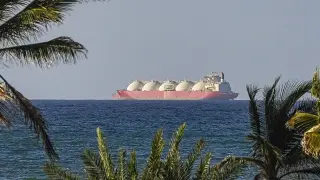
Iran reportedly holds about 80 million barrels of crude in floating storage, with roughly half aboard ships near Malaysia, forming a floating stockpile that could be monetized despite the U.S. blockade. Washington’s Operation Economic Outcast seeks to choke Tehran’s oil revenue and broaden pressure to shadow‑fleet vessels, while China’s Iranian imports have fallen; ship‑to‑ship transfers help obscure origin but turning that stock into cash and moving proceeds through the financial system remains risky, legally complex, and challenging for a Navy stretched by enforcement duties.
Iran's Supreme National Security Council head Mohsen Rezaee claims Tehran has earned billions despite sanctions, boasting tens of millions of barrels sold in recent months and even oil shipments to American ships; he warns other countries not to join the US economic war and threatens to strike interests and bases if they do, while arguing the Strait of Hormuz remains closed until the US fulfills obligations and accusing the US and Israel of stoking regional wars to boost arms sales.
Trump said the Strait of Hormuz is 'American territory' as the U.S. maintains a blockade on Iran, with Centcom noting 68 vessels redirected to comply; he has floated declaring the waterway a territory, while Iran dismissed the claim as delusional and peace talks remain unresolved after about six months of tension.
Majidreza Hariri, head of Iran-China Joint Chamber of Commerce, says the U.S. naval blockade would inflict more economic damage on Iran than direct war and warns that attempting to circumvent it could cripple the economy. He cites higher transport costs—per‑container rates rising from about $3,000 to $12,000 via land routes—potentially adding about $18 billion a year with 2 million containers moving through Iran, and notes Tehran could retaliate while seeking sanctions relief through negotiations as experts warn the economy is near collapse.
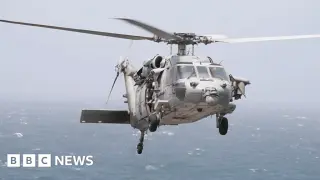
US Central Command says a MH-60 helicopter fired two Hellfire missiles at the engine room of the Panama-flagged M/V Vela Nova in the Gulf of Oman after warnings were ignored, disabling its steering and stopping it from transiting to Iran as part of the blockade of Iranian ports; Iran has not commented; the broader US‑Iran confrontation over the Strait of Hormuz and shipping disruptions continues with no casualties reported.
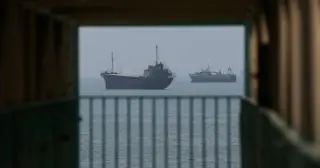
Satellite data cited by the Financial Times show no Iranian crude loaded at Kharg Island for about a week after a renewed US naval blockade, with all three berths empty since July 31 and few tankers in the area. While some revenue from cargoes shipped before the halt may still reach Asia, the blockade has sharply reduced tanker traffic and could push Iran to cut production; talks with Oman on a new Hormuz routing linger, and the US could lift sanctions if an agreement is reached.
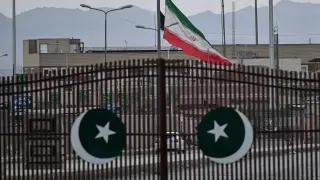
The Telegraph reports the US and Israel are weighing a land blockade of Iran to further economically isolate Tehran, with Trump and Netanyahu discussing “kinetic and non-kinetic” options; a senior Israeli official floated cutting land routes through Iran’s neighbors (Iraq, Turkey, Pakistan, Afghanistan, Turkmenistan, Armenia, Azerbaijan), a move that would require broad regional cooperation and could invite retaliation, though experts say such a blockade is nearly impossible to enforce and may be a strategic distraction from other military plans as Iran rearmaments continue after recent strikes.