news-and-politics8.655 min read
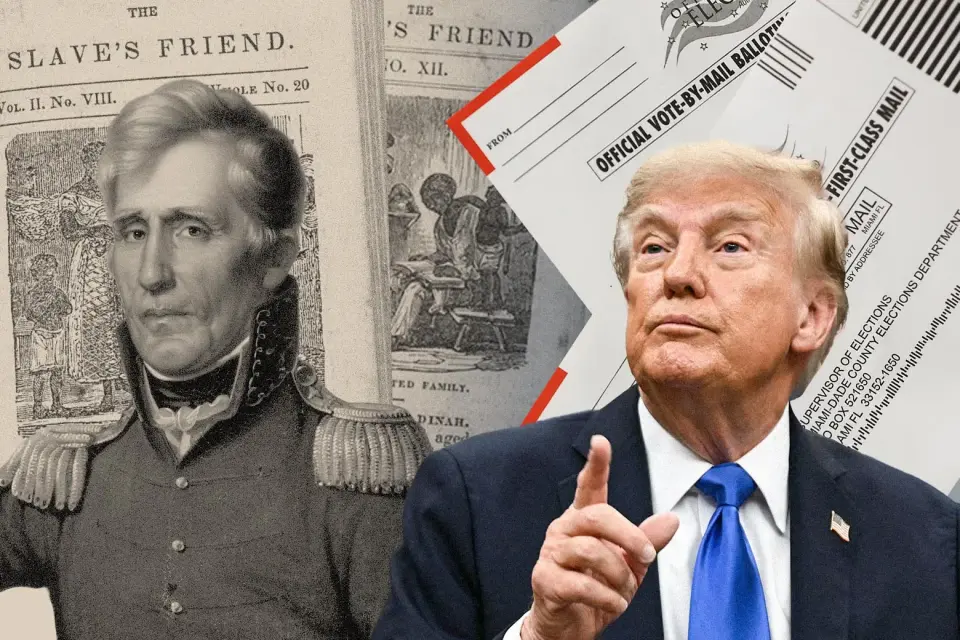
Trump’s Postal Tactics Echo Jackson’s Antislavery Plot
1 month ago•Source: Slate

The latest news and politics stories, each synthesized from multiple sources with added background and context.
Slate’s Fred Kaplan argues that Trump should end the Iran war, echoing Vietnam’s ‘declare victory and go home’ impulse but with sober realism: boasting about destroying Iran’s nuclear program and enemy capabilities is misleading, and prolonging the conflict weakens the U.S., bolsters hard-liners in Iran, and unsettles allies. A smarter exit would halt attacks, allow Hormuz to reopen through diplomacy with Iran and Oman, monitor Iran’s nuclear program, repair alliances, and reset policy—potentially moving the USS George Washington back to the Pacific and discarding poor counsel.
Slate•1 month ago
Slate Magazine•1 month ago
Slate’s Jurisprudence column argues that Trump’s fixation on the Lincoln Memorial Reflecting Pool has sparked a politically charged legal fray, from an investigation into a prosecutor’s handling of the pool controversy to discussions of potential new charges, all under Todd Blanche’s watch as the DOJ leader-in-waiting, signaling a high-stakes struggle where partisan pressure and accountability collide.
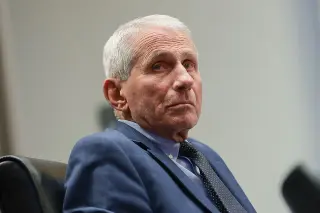
The article argues Rand Paul’s push to hold Fauci in contempt and release his diary is a partisan tactic aimed at discrediting Fauci and pressuring the DOJ, rather than a serious legal case. It notes that while the diary could be used to cherry-pick inconsistencies and Fauci could face perjury questions, the Biden pardon complicates prosecutions for actions up to 2025. With state investigations looming and political dynamics in Washington, the piece suggests the move is more about political theater and embarrassing Fauci than a likely criminal outcome.
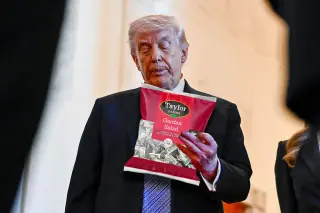
Slate argues that the Cyclospora outbreak is less about a single food source and more about systemic policy failures—drastic budget cuts to the CDC and FDA under Kennedy Jr., a delayed Food Traceability Rule, opaque supplier disclosures from Taylor Farms and Taco Bell, and messaging that muddies the investigation—reflecting broader Trump-era influence on public health and food safety.
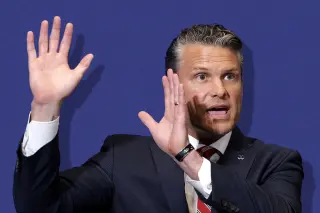
Slate's Fred Kaplan critiques Pete Hegseth's proposal to test all service members over 30 for testosterone and provide shots for those with low levels, arguing that hormone levels vary widely and lack a clear 'normal' baseline; higher muscle mass does not automatically translate to combat effectiveness; testosterone therapy carries risks like high blood pressure and mood changes; in Kaplan's view, modern warfare relies more on strategy, technology, and coordination than hormonal boosts, making the plan ill-informed and dangerous.

The Supreme Court’s ruling preserves counting mail ballots received by Election Day, a win for access, but the piece warns that President Trump continues to threaten mail voting through executive actions and USPS policy, with multiple lawsuits and redistricting battles shaping the midterm election landscape.
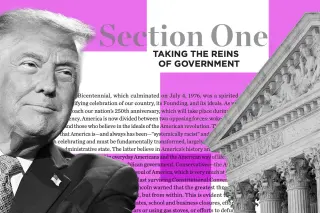
The Supreme Court, in a 6–3 decision, overruled Humphrey’s Executor and held that the president may remove heads of independent agencies (as with the FTC), advancing the Project 2025 blueprint; in a separate 5–4 ruling it preserved the Federal Reserve’s independence by allowing Lisa Cook to remain on the board after concerns about due process. The paired rulings mark a major shift toward executive control over agency officials, while preserving a narrow exception for the Fed.
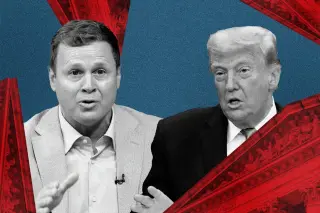
Slate argues there’s no credible evidence of fraud in California and Trump’s post–primary comments, along with the First Assistant U.S. Attorney’s investigations, are largely performative — aimed at sowing doubt and training for potential prosecutions rather than exposing real fraud. The piece notes that California’s mail-in voting and the LA vote-count timeline are normal, and scholars criticize the move as a tactic to undermine confidence in elections and broaden legal pressures in future cycles.
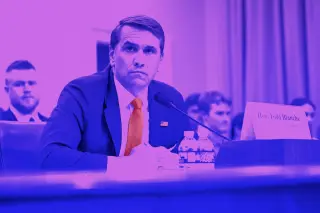
Slate’s Dahlia Lithwick argues that Todd Blanche’s bid to be attorney general could become a GOP test of independence and accountability, given his Trump-aligned DOJ tenure, the controversy over a $1.776 billion slush fund settlement and a broad civil release, and whether Senate Republicans will demand real scrutiny or yield to total deference to the president—shaping the future handling of the rule of law.
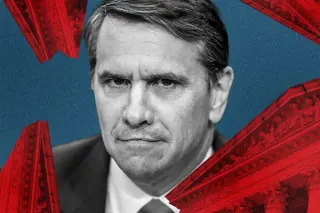
A planned $10 billion IRS settlement over a leaked tax-return scandal would immunize Trump and his family and create a $1.7 billion anti-weaponization fund, but courts and lawmakers have derailed the deal: acting AG Todd Blanche says the fund isn’t moving forward, a temporary restraining order blocked it, and Judge Kathleen Williams reopened the Trump–DOJ case to probe collusion and legitimacy, with Democrats promising to curb presidential tax immunity—potentially affecting Trump’s holdings and the rule of law.
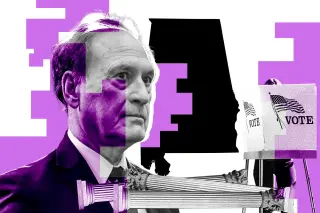
An unsigned Supreme Court order handed Alabama a sweeping victory by reinstating a long-disputed 2023 map that heavily dilutes Black voters, expanding a Callais-like standard into constitutional voting-rights rules, and eroding a key remedy against racial gerrymandering; dissenters warn the move invites chaos in elections, undermines democratic norms, and signals that minority rights in redistricting can be sacrificed for partisan ends.