
Bank of England holds rates at 3.75% as Middle East conflict drives UK inflation to six-month high
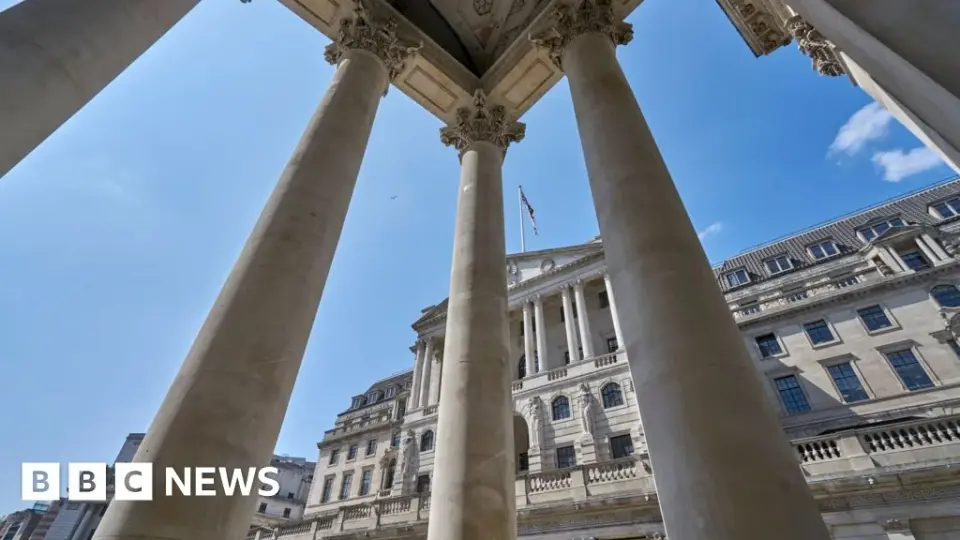
The Bank of England’s Monetary Policy Committee is expected to maintain the benchmark interest rate at 3.75% for a sixth consecutive meeting, despite UK inflation rising to 3.1% in August. This decision comes amid sustained global energy price spikes driven by the ongoing conflict in the Middle East, which has kept oil prices above $100 per barrel. While the Bank aims to control the cost of living, policymakers face a difficult balance between curbing inflation and avoiding further damage to employment and borrowing costs for households.
Key points
- The Bank of England is expected to hold its benchmark rate at 3.75% on Thursday, maintaining the status quo for the sixth consecutive meeting.
- UK Consumer Prices Index inflation rose to 3.1% in August, up from 2.9% in July, marking the highest rate in six months due to increased costs for petrol, diesel, and airfares.
- Global energy prices remain elevated, with oil staying above $100 per barrel since September 9, driven by the prolonged conflict in the Middle East.
- Major lenders have already increased the cost of new fixed-rate mortgages, with the average two-year fixed rate reaching 5.77%, its highest since May 11.
- The Bank of England faces pressure from global peers, as the European Central Bank raised rates to 2.5% and the US Federal Reserve hiked rates to 3.5%-3.75% earlier this week.
Background
Previous coverage indicated that global central banks were under significant pressure to raise rates due to stubborn inflation and energy shocks. In September, the Bank of England was already expected to hold rates at 3.75% while the ECB and Fed moved toward hikes. The current situation reflects the continuation of this trend, with the Bank of England now facing a more acute dilemma as UK inflation accelerates while global peers have already acted to tighten monetary policy.
Why it matters
The decision to hold rates despite rising inflation highlights the Bank of England’s cautious approach to balancing price stability with economic growth and employment. For households, this means continued high borrowing costs for mortgages and loans, while savers may see slightly better returns, though these gains may be offset by the rising cost of living. The outcome will influence consumer spending, business investment, and the broader trajectory of the UK economy in the coming months.
What to watch
The Bank of England will announce its interest rate decision at 12:00 BST on Thursday. Analysts are divided on whether the rate will need to rise before the end of the year, with some warning that if oil prices remain above $100 per barrel and the conflict continues, further hikes may be necessary. Households are advised to review their mortgage and savings strategies, as lenders are already repricing products upward in anticipation of potential future rate increases.
Want the full story? Read the original reporting
Read on BBC