
Fed Chair Warsh’s AI Inflation View Faces Growing Dissent as Data Center Boom Sparks Price Pressures
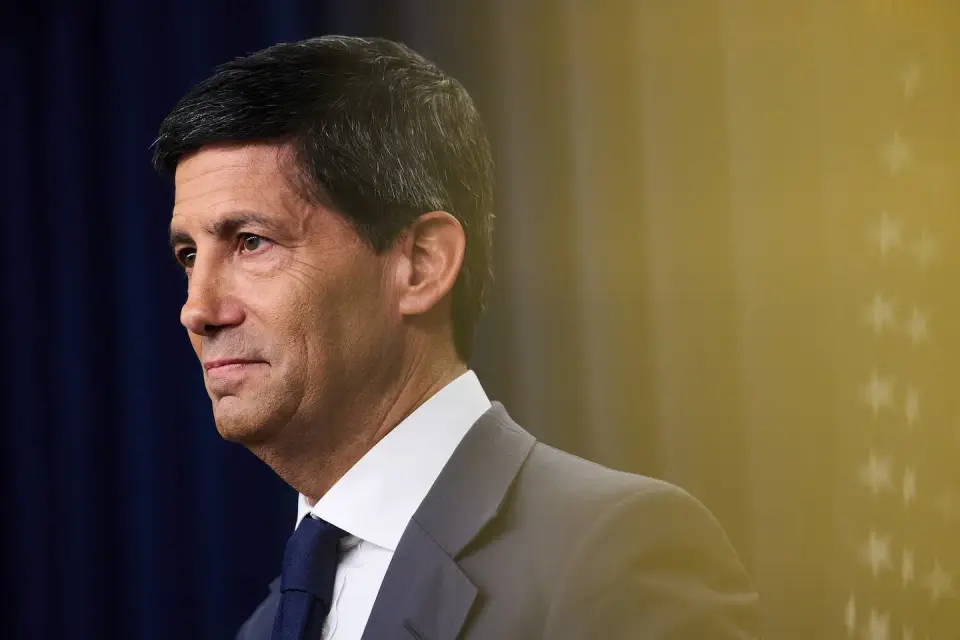
Federal Reserve Chair Kevin Warsh remains an outlier among top officials, arguing that the artificial intelligence boom will help tame inflation, while more than a dozen colleagues, including two other Trump appointees, contend it is fueling price increases. Chicago Fed President Austan Goolsbee described the latest consumer price index report as 'borderline disturbing,' noting that AI data center investment is causing 'old-fashioned demand overheating' that extends beyond the tech sector. With October inflation rising 0.4% seasonally adjusted, higher than predicted, and the third consecutive month of outsized increases, the central bank faces pressure to act. Governor Christopher Waller suggested a potential half-point rate hike in December if core inflation remains elevated, while Dallas Fed President Lorie Logan advocated for two additional quarter-point increases. Market futures now unanimously expect a rate hike at the December meeting, with odds of a half-point increase at 15% and rates reaching 4.25%-4.5% by January at 60%. Warsh, who took over in May, established a task force to assess AI's economic impact, but his optimistic stance contrasts sharply with the growing consensus that AI spending is straining resources and driving broader inflation.
Key points
- Kevin Warsh is the only top Fed official arguing AI will tame inflation, while over a dozen colleagues, including two Trump appointees, say it is fueling inflation.
- Chicago Fed President Austan Goolsbee called the October CPI report 'borderline disturbing' and warned that AI data center buildout is causing 'old-fashioned demand overheating.'
- October consumer prices rose 0.4% seasonally adjusted, higher than predicted and marking the third straight month of outsized increases.
- Governor Christopher Waller opened the door to a half-point rate hike in December if core CPI is around 0.3%, while Dallas Fed President Lorie Logan sees a need for two additional quarter-point increases.
- Fed funds futures unanimously expect a rate hike at the December meeting, with 15% odds of a half-point increase and 60% odds of rates reaching 4.25%-4.5% by January.
- Warsh formed a task force in May to assess AI's economic impact, with initial reports expected by year's end, but his stance contrasts with growing concerns about AI-driven price pressures.
Background
The Federal Reserve raised rates by 25 basis points to 3.75%-4.00% in September, the first hike in over three years, amid persistent inflation above the 2% target for nearly six years. In October, the Fed held rates steady despite September inflation reaching 3.7%, with Warsh citing the need for more data. Earlier coverage noted that Goldman Sachs argued AI-driven inflation had peaked, while Fed officials warned that massive data center spending was causing 'old-fashioned overheating.' Traders had assigned an 81% probability to a December hike, signaling a shift away from market support. The central bank also announced a reduction in rate-setting meetings for 2027 and 2028 to focus on strategic deliberations.
How outlets are covering it
The Washington Post highlights Kevin Warsh as an outlier, noting that more than a dozen Fed colleagues, including two Trump appointees, now argue AI is fueling inflation rather than taming it. CNBC emphasizes the urgency of the situation, with Goolsbee calling the inflation report 'borderline disturbing' and Waller suggesting a half-point hike could be necessary. Yahoo Finance focuses on the mechanics of AI-driven overheating, citing Goolsbee's warning that data center investment is 'starting to look more just like old-fashioned demand overheating' and requiring an 'aggressive up front' response. The Hill underscores the broader economic impact, noting that AI investment competes for energy and construction workers across industries, with Lisa Cook warning of 'economy-wide pressure from AI-fueled demand.' While Warsh maintains his optimistic stance, the consensus among other officials is that AI spending is straining resources and driving broader inflation, necessitating more aggressive monetary policy.
Why it matters
The divergence in views on AI's impact on inflation could influence the Federal Reserve's approach to interest rates, affecting credit cards, car loans, and mortgages. If the Fed hikes rates more aggressively, it could slow economic growth but help curb inflation. Conversely, if it maintains a gradual approach, inflation may remain entrenched, leading to higher costs for consumers and businesses. The AI data center boom, with over 1,500 new data centers in development, is straining resources and driving prices across sectors, making it a critical factor in the Fed's decision-making process. The outcome of the December meeting will signal the Fed's stance on AI-driven inflation and its willingness to act decisively to prevent entrenched price growth.
What to watch
The Federal Reserve will hold its final meeting of the year in December, where it is expected to raise interest rates. The key question is whether the hike will be a quarter-point or half-point increase, with market futures currently favoring a quarter-point rise but assigning 15% odds to a half-point hike. Warsh's task force is expected to deliver its initial report on AI's economic impact by the end of the year, which could influence future policy decisions. If inflation continues to rise, the Fed may need to act more aggressively, potentially leading to higher rates by January. The central bank will also monitor how AI spending affects other sectors, as the buildout competes for resources and drives prices across the economy.
- Most top Fed officials blame AI for fueling inflation. Not Trump’s Fed chief. The Washington Post
- Fed's Goolsbee calls inflation report 'borderline disturbing' as central bank weighs more hikes CNBC
- Fed’s Goolsbee Warns AI Data Center Boom Is Starting to Look Like ‘Demand Overheating,’ Says Central Bankers Must Be ‘Aggressive Up Front’ Yahoo Finance
- Fed’s Goolsbee says data center buildout ‘overheating’ economy The Hill
- Fed's Goolsbee: Inflation has been well-above target investingLive
Want the full story? Read the original reporting
Read on The Washington Post