
Fed Dissenters Warn Inflation Risks Demand-Side Entrenchment
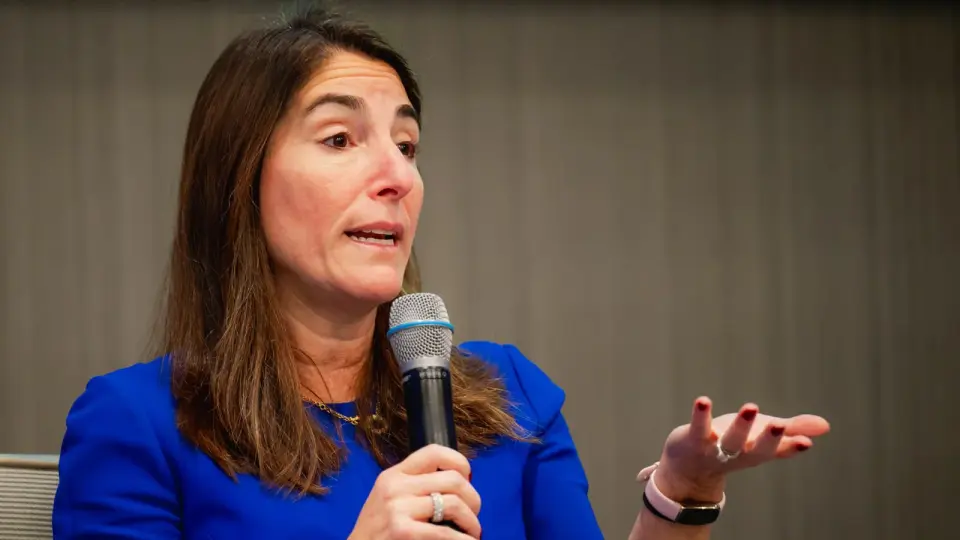
Three Federal Reserve officials dissented against holding interest rates steady, arguing that immediate hikes are necessary to prevent entrenched inflation. While the majority voted to maintain the 3.5%-3.75% rate range, dissenters cited persistent price pressures and supply-side shocks as reasons to tighten policy now to avoid larger future adjustments.
Key points
- Cleveland Fed President Beth Hammack, Minneapolis Fed President Neel Kashkari, and Dallas Fed President Lorie Logan dissented against the FOMC decision to hold rates at 3.5%-3.75%.
- Hammack stated that waiting to act makes it more costly to return inflation to the 2% target, noting that consumers are experiencing broadening pricing pressures.
- Kashkari argued that a series of small rate hikes is preferable to waiting, which could force the Fed into bolder actions later if inflation becomes entrenched.
- Inflation has remained above the 2% target for over five years, driven by supply shocks from the Iran conflict, trade wars, and massive data center investments.
- Fed Chairman Kevin Warsh voted to hold rates but emphasized that the five-year inflationary period cannot be resolved quickly, despite a brief dip in prices in June.
Background
This latest meeting follows a pattern of dissent seen in July 2026, where the same three officials pushed for a 25-basis-point hike amid rising oil prices. Earlier in the year, policymakers debated whether AI-driven demand and tariffs would sustain inflation, with some officials like John Williams projecting inflation would peak and ease by 2028. The current debate centers on whether to treat recent supply shocks as temporary or as a new baseline requiring proactive monetary tightening.
How outlets are covering it
CNBC highlights Hammack’s concern that inflationary pressures are now coming from the demand side, not just supply, and notes her constituents’ despair over persistent prices. Kashkari’s official statement from the Minneapolis Fed emphasizes the historical parallel with the 1970s, arguing that successive supply shocks can lead to entrenched inflation if not addressed by monetary policy. While CNBC frames the dissent as a warning against complacency, Kashkari’s statement explicitly acknowledges the trade-offs of fighting supply shocks but advocates for incremental tightening to manage the risk of entrenchment. Both sources agree that the Fed’s current hold is a calculated risk, but differ in emphasis: CNBC focuses on the urgency of action, while Kashkari’s statement details the theoretical justification for gradual hikes.
Why it matters
The dissent signals a potential shift in Fed policy if inflation remains elevated, which could impact borrowing costs, consumer spending, and market expectations. If the Fed eventually hikes rates, it could slow economic growth but help anchor inflation expectations. Conversely, if the Fed continues to hold rates and inflation persists, it may face a more difficult and costly adjustment later, potentially leading to a sharper economic slowdown.
What to watch
Lorie Logan is expected to release a statement explaining her dissent later in the week. The FOMC will continue to monitor inflation data, particularly energy costs and core inflation, to determine if a rate hike is necessary in future meetings. Markets will watch for signs of whether the Fed’s hold is a temporary pause or a long-term stance, with implications for bond yields and equity markets.
- Fed officials who voted to hike rates say action is needed now against inflation CNBC
- Statement on My FOMC Dissent Federal Reserve Bank of Minneapolis
- Fed Dissenters Say Rate Hikes Needed to Tame Stubborn Inflation Bloomberg.com
- Inflation Worries Prompted Fed Officials to Dissent on Holding Rates Steady The New York Times
- Three Fed Officials Voted for Rate Hikes on Fears High Inflation Is Becoming Entrenched Barron's
Want the full story? Read the original reporting
Read on CNBC