
Fed Officials Signal Back-to-Back Rate Hikes as Inflation Data Accelerates
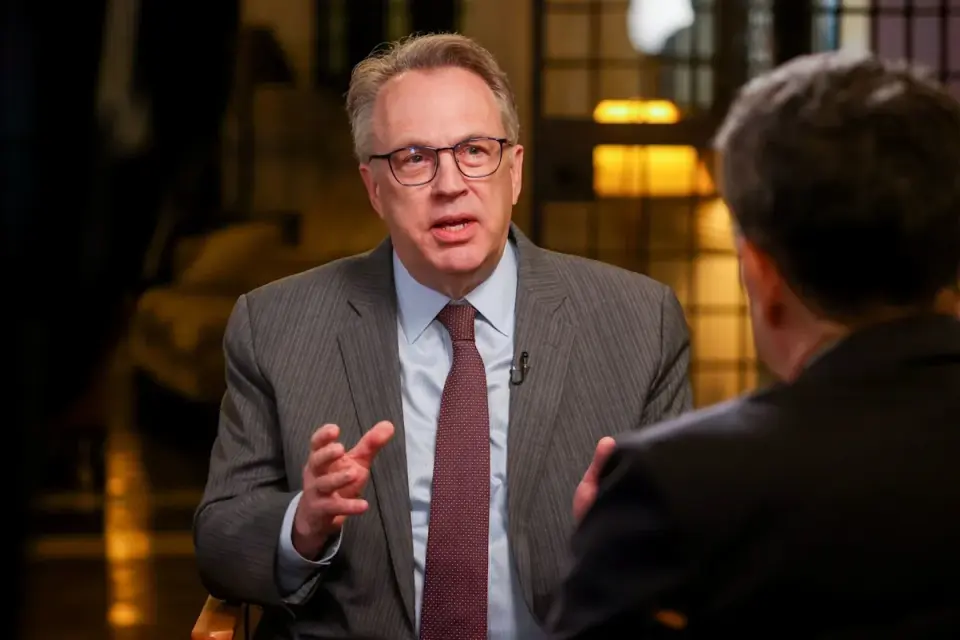
Federal Reserve officials have signaled a high likelihood of interest rate increases in December and potentially January, driven by accelerating inflation data. While a 25-basis-point hike in December is widely expected, some policymakers have warned that larger moves or a faster pace of tightening may be necessary to combat persistent price pressures. Market expectations have shifted significantly, with investors now pricing in hikes for December, January, and March, reflecting concerns that gradualism could fail to control rising costs.
Key points
- Inflation accelerated in October, with consumer prices rising across goods and services, prompting New York Fed President John Williams to state that inflation is far too high.
- Chicago Fed President Austan Goolsbee described the latest data as borderline disturbing, while Dallas Fed President Lorie Logan suggested the Fed may need to hike rates more rapidly than previously anticipated.
- Fed Governor Christopher Waller warned that a 50-basis-point increase might be required in December, though other officials like Cleveland Fed President Beth Hammack prefer smaller, more frequent adjustments.
- Wholesale prices climbed at the fastest pace since 2022 in October, driven by transportation and warehousing costs, reinforcing evidence of persistent price pressures throughout the economy.
- Investors have priced in quarter-point increases for December, January, and March, a shift from previous expectations that only included December and March, following a week of hawkish Fed commentary.
Background
Recent archive coverage indicates that October consumer price index data already exceeded expectations, pushing the probability of a 50-basis-point hike to 14.7%. Additionally, producer price index data showed a 6.5% annual peak in October, the fastest rise since 2022, driven by energy, food, and AI-related costs. These trends have solidified market expectations for a December hike and contributed to recent dollar strength and euro weakness.
Why it matters
The shift toward more aggressive monetary policy signals a potential tightening of financial conditions that could impact housing affordability, small business investment, and consumer spending. While strong job growth provides cover for the Fed to raise rates, concerns remain about the vulnerability of interest-rate-sensitive sectors and the potential for stock market volatility linked to the artificial intelligence boom. The divergence in views among Fed officials on the pace and magnitude of hikes introduces uncertainty for markets and borrowers.
What to watch
The Federal Open Market Committee will meet in December to decide on the next rate move. Economists from Bank of America now expect increases at the next three meetings, while Santander projects two raises in December and March. Further jobs and inflation data will be released before the December meeting, though few observers expect a meaningful economic slowdown that would deter the Fed from tightening.
Want the full story? Read the original reporting
Read on Yahoo Finance