
Fed set to hold rates at 3.75% before midterms, but December hike looms
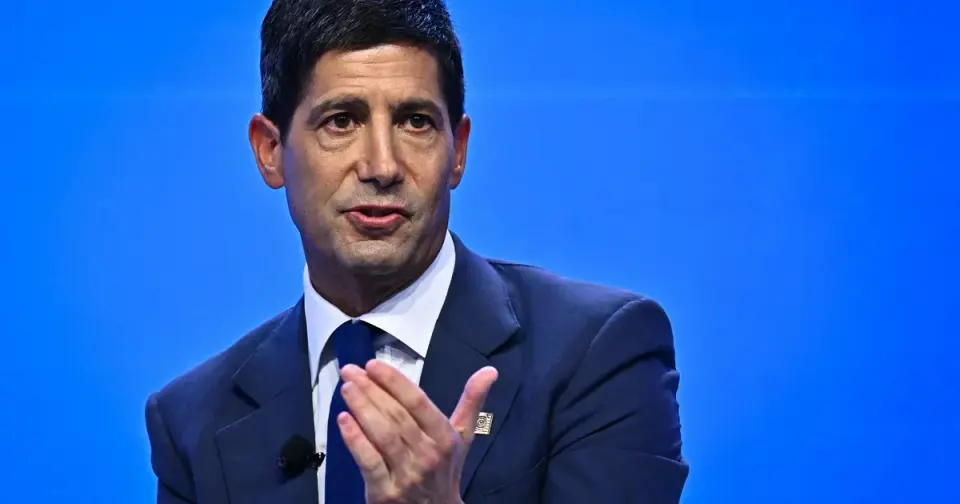
The Federal Reserve is expected to keep its benchmark interest rate unchanged at 3.75% to 4% during its October 28 meeting, according to CBS News and CNBC. While September inflation data showed a 3.7% annual rise driven by energy costs, most economists and traders anticipate a pause before a likely hike in December. This decision arrives just days before the U.S. midterm elections, with policymakers balancing inflation concerns against economic stability.
Key points
- The Federal Open Market Committee is scheduled to announce its rate decision on Wednesday, October 28, with the benchmark rate currently at 3.75% to 4%.
- CME Group data indicates an 88% probability that the Fed will hold rates steady in October, while a 71% probability exists for a hike in December.
- September consumer price index data showed headline inflation at 3.7% annually, with gasoline prices above $4 per gallon contributing significantly to the increase.
- Core inflation, which excludes volatile energy and food items, rose 2.6% year-over-year, suggesting inflation may be spreading beyond energy sectors.
- Fed Chairman Kevin Warsh is set to hold a press conference following the decision, though he has previously opposed providing forward guidance on future rate moves.
Background
The Fed raised rates by 25 basis points in September, marking its first hike in three years. Prior to this, economists were divided on whether the move was necessary, with some arguing that inflation was distorted by one-off factors like energy costs. The current decision follows a period of rising oil prices linked to the U.S.-Iran conflict, which has increased borrowing costs and household expenses.
How outlets are covering it
While CBS News and CNBC report broad consensus that the Fed will hold rates in October, they note that many economists expect a hike by year-end. CNBC’s Heather Long argues that the Fed will avoid a hike in October due to the upcoming election, despite inflation being the top economic problem. Conversely, Business Insider highlights Moody’s chief economist Mark Zandi, who opposes further hikes, arguing that bond markets are already tightening financial conditions. Zandi warns that additional rate increases could damage the economy, especially given high oil prices and geopolitical uncertainty. This contrasts with the view from Bank of America’s Aditya Bhave, who suggests that holding rates could undermine the Fed’s credibility in fighting inflation.
Why it matters
The Fed’s decision will influence borrowing costs for consumers, including credit card rates, mortgages, and auto loans. A hold in October may provide temporary relief, but a potential December hike could increase costs further. The timing of the decision, just before the midterm elections, adds political significance, as voters are concerned about affordability and economic stability.
What to watch
The Fed will announce its rate decision on October 28, followed by a press conference from Chairman Kevin Warsh. If the Fed holds rates, markets will watch for signals regarding a potential hike at the December 8-9 meeting. Investors and consumers will monitor how the decision impacts borrowing costs and inflation trends in the coming months.
- Federal Reserve to announce its latest interest rate move this week. Here's what economists expect. CBS News
- Why the Fed Is Expected to Hold Rates Steady Despite a Case for Raising Them WSJ
- Federal Reserve is likely to hold interest rates steady in October. Here's what that means for consumers CNBC
- A top economist says bond investors are doing the Fed's job, and more rate hikes aren't needed Business Insider
- Fed to hit pause on rate hikes, but maybe not for long Reuters
Want the full story? Read the original reporting
Read on CBS News