
Fed Weighs October Pause Against Rising Inflation and Political Pressure
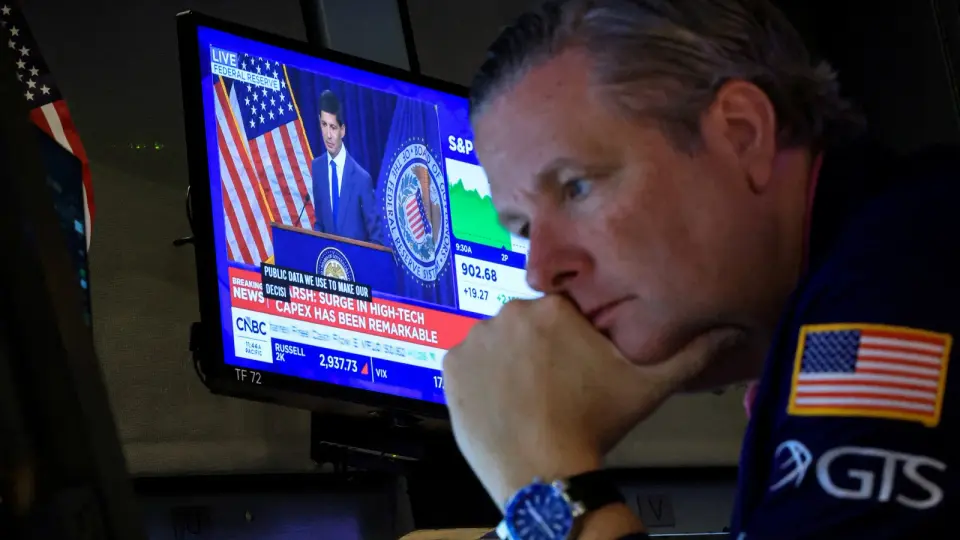
The Federal Reserve is expected to pause interest rate hikes at its October 28 meeting, with markets pricing only a 9% chance of an increase. While inflation rose to 3.7% in September, many economists and traders believe the central bank will wait to assess the impact of its September hike and the outcome of the November 3 midterm elections. A rate increase is more likely anticipated for December. This decision occurs amid significant political tensions, including President Trump's efforts to remove Fed officials and ongoing uncertainty regarding the Iran conflict.
Key points
- The Federal Open Market Committee is likely to hold rates steady at 3.75% to 4% in October, as 94 of 100 economists polled by Reuters expect a pause.
- Consumer price inflation increased to 3.7% year-over-year in September, up from 3.4% in August, remaining well above the Fed's 2% target.
- Traders anticipate two to three quarter-point rate increases by the end of 2027, with a December hike being the most probable next step.
- President Trump has demanded the removal of Fed Governor Lisa Cook and former Chair Jerome Powell, citing mortgage fraud allegations and renovation costs, respectively.
- The ongoing conflict in Iran creates uncertainty regarding energy prices, which complicates the Fed's assessment of inflationary pressures.
Background
The Fed raised rates for the first time in three years in September 2026 to combat persistent inflation. Prior to this, August PCE inflation cooled to 3.4%, and Treasury yields had breached 5% in September, marking a 19-year high. The current decision follows a period of market volatility driven by oil price rebounds and diplomatic tensions regarding the Iran conflict.
How outlets are covering it
USA Today emphasizes the internal debate within the Fed, noting that while 12 of 19 members signaled room for another hike in September, recent data and political pressures favor a pause. The outlet highlights the risk of inflation becoming entrenched if the Fed waits too long. In contrast, the Financial Times focuses on market sentiment, noting that investors believe raising rates will not solve commodity-driven price pressures, particularly those related to oil and the Iran war. The FT also points to the lack of forward guidance from new Fed Chair Kevin Warsh as a source of market volatility. Both sources agree that a December hike is likely, but they differ on the urgency of action in October, with USA Today stressing the hawkish view of some officials and the FT highlighting the skepticism of rate hikes solving structural issues.
Why it matters
The Fed's decision impacts borrowing costs for households and businesses, influencing credit card debt, car loans, and savings. A pause may provide temporary relief but risks allowing inflation to persist, while a hike could slow economic growth. The political tensions surrounding the Fed's leadership could undermine its independence and affect long-term monetary policy stability.
What to watch
The Fed will announce its decision on October 28, followed by a press conference. Investors will watch for clues on the path to a December rate hike. The outcome of the November 3 midterm elections and the resolution of the Iran conflict will also influence future monetary policy decisions.
- Why the Fed may hold off on another rate hike despite high inflation USA Today
- Why the Fed Is Expected to Hold Rates Steady Despite a Case for Raising Them WSJ
- Fed to hit pause on rate hikes, but maybe not for long Reuters
- Fed Meeting Focus Turns to Warsh Messaging With December in Mind Bloomberg.com
- Will the Fed drop any hints on rate rises? Financial Times
Want the full story? Read the original reporting
Read on USA Today