
Gas dips below $4 as oil crashes, but inflation remains stubbornly high
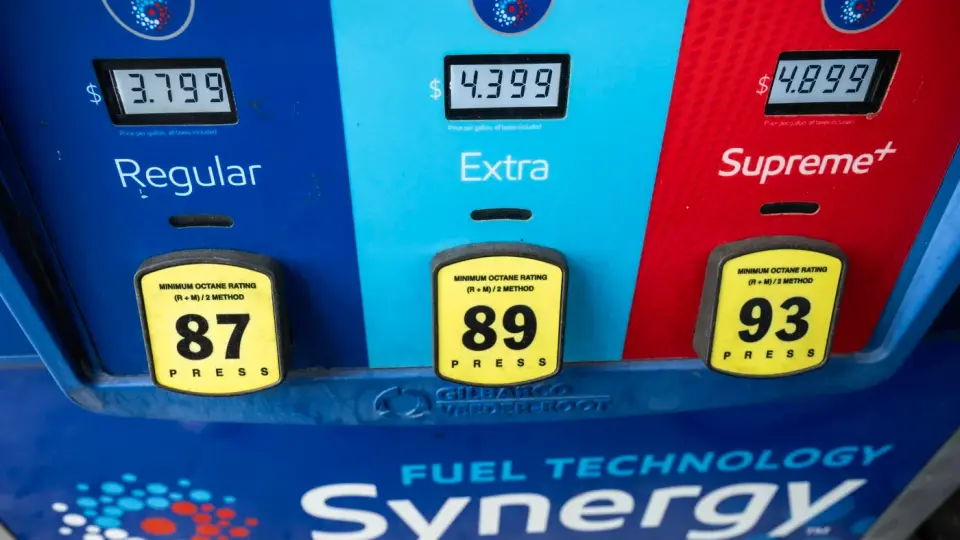
The national average price for regular gasoline fell below $4 per gallon for the first time since July, reaching $3.98 on Tuesday. This drop follows a 13% plunge in oil futures, driven by seasonal demand declines and geopolitical shifts. However, overall consumer prices rose 0.4% in October, exceeding forecasts, with housing and grocery costs remaining elevated. Diesel prices, critical for freight and heating, remain high at $6.15 per gallon due to supply disruptions from conflicts in Russia and the Middle East.
Key points
- Regular gasoline averaged $3.98, down 38 cents from a month ago, marking the first sub-$4 month since July.
- October consumer prices rose 0.4%, higher than expected, with housing accounting for a third of the increase.
- Diesel prices remain at $6.15 per gallon, up 70% year-to-date, impacting freight and heating costs.
- Oil futures fell below $90 per barrel, their lowest since August, following diplomatic signals regarding Iran.
- Federal Reserve official Chris Waller warned that energy shocks may have more lasting inflationary effects than previously thought.
Background
Gas prices had been rising since the start of the US-Iran conflict in February 2026, reaching record highs for Election Day. Consumer confidence rebounded in October but remained sensitive to energy costs. The current drop follows a period of high inflation in housing and energy, which drove voter turnout to a century-high 49.1% in the midterms.
How outlets are covering it
NPR and CNBC emphasize the seasonal nature of the gas price drop and the stubbornness of overall inflation, noting that October prices rose more than forecast. NBC News highlights the political impact, linking the oil price crash to Democratic midterm victories and potential scrutiny of the Iran war. CNN focuses on the structural risks, warning that refinery capacity damage from global conflicts could cause prices to spike again in spring 2027. While all sources agree on the immediate price drop, they differ on the durability of relief, with analysts citing geopolitical risks and deferred refinery maintenance as potential future price drivers.
Why it matters
The drop in gas prices offers temporary relief to consumers, but high diesel and heating costs continue to drive inflation. The Federal Reserve may need to raise interest rates more aggressively if energy shocks prove persistent. The political shift in Congress could influence energy policy and foreign relations, potentially affecting future oil prices and economic stability.
What to watch
Gas prices may continue to fall to $3.75 by Thanksgiving, but could rise above $4 in spring 2027 due to refinery maintenance and reduced global capacity. Diesel prices are expected to remain elevated, impacting freight and heating costs. The Federal Reserve may adjust interest rates based on the persistence of energy-driven inflation. Diplomatic efforts in the Middle East and Russia-Ukraine talks will influence oil supply and prices.
- Gas prices dip below $4 but inflation remains stubbornly high NPR
- Gas prices fall below $4 per gallon for the first time since July NBC News
- U.S. gas prices fall below $4 for the first time since July CNBC
- Gas prices drop 36 cents in Akron, 33 cents in Cleveland as GasBuddy reports prices 'fell in every state over the last week' WKYC
- Gas is about to drop below $4 for the first time since July CNN
Want the full story? Read the original reporting
Read on NPR