
Manufacturing jobs flat despite billions in new auto investment announcements
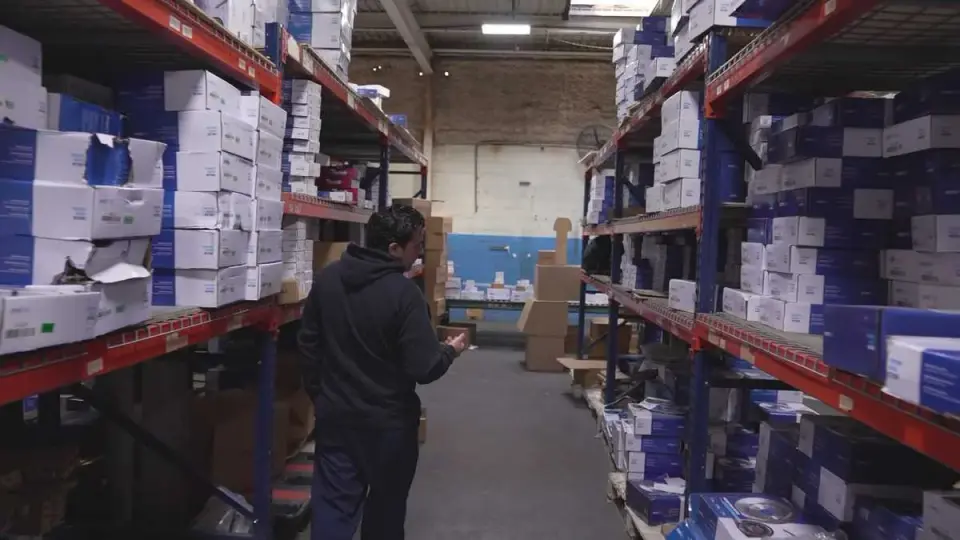
US manufacturing employment has remained nearly flat since the start of Trump's second term, dropping 0.15% to 12.65 million. While the administration highlights billions in new auto investments, construction spending has fallen 21%, and small businesses report rising costs.
Key points
- Bureau of Labor Statistics data shows manufacturing employment fell slightly to 12.65 million as of September 2026, down 0.15% from the start of the current term.
- Manufacturing construction spending dropped 21% year-over-year to $170.7 billion in August 2026, contrasting with the rise seen under the previous administration.
- The White House and industry groups highlight major investments, including Audi's $4.2 billion Georgia plant and Toyota's $3.6 billion Texas expansion, as evidence of policy success.
- Small business owners report that tariff costs have surged, forcing price increases and delaying domestic expansion due to a lack of workforce training and government support.
- Experts caution that the full impact of current trade policies and tax reforms on job numbers will take several years to materialize, complicating midterm election narratives.
Background
Previous coverage noted that manufacturing employment has stagnated despite record investment announcements. Earlier fact-checks also disputed claims that car plant construction is at an all-time high. Current midterm polls show low approval ratings for the president, adding political pressure to demonstrate economic progress.
How outlets are covering it
WYFF emphasizes the stagnation in employment and construction spending, highlighting the struggles of small businesses like Detroit Axle facing steep tariff bills. AutoSpies and Mirage News focus on the volume of new investments, citing at least nine major automakers committing tens of billions of dollars to US expansion since 2025. While WYFF points to a 21% drop in construction spending, the other sources argue that these announcements represent a significant reshoring trend driven by tariff costs.
Why it matters
The disconnect between high-profile investment announcements and flat employment data raises questions about the effectiveness of current trade policies. As midterm elections approach, voters are weighing the immediate pain of higher prices against long-term promises of job creation, with experts noting that the full impact of these policies may not be visible for years.
What to watch
The administration is expected to continue highlighting new factory investments and tax incentives to bolster its economic narrative. However, the full impact of current policies on employment may take several years to materialize, and small businesses may continue to face barriers to expansion due to tariff uncertainty and lack of support.
- Trump promised to revive American manufacturing, but is it working? What the data shows WYFF
- Up Until NOW, HOW MANY Automakers Have Announced BIG Investments In Plant Expansion And Production, Since Trump Tariffs Took Effect? Dems WON'T Like The Answer. AutoSpies
- Trump Revives American Industry From Coast to Coast Mirage News
- Thanks to President Trump, we are ACCELERATING the Arsenal of Freedom. MilitaryNews.com
- Trump Tariffs Redraw American Manufacturing Map with Uneven Sectoral Outcomes - Revenue Growth Report https://www.dars.gov.et/
Want the full story? Read the original reporting
Read on WYFF