
Energy markets face prolonged uncertainty as Iran conflict defies economic red lines
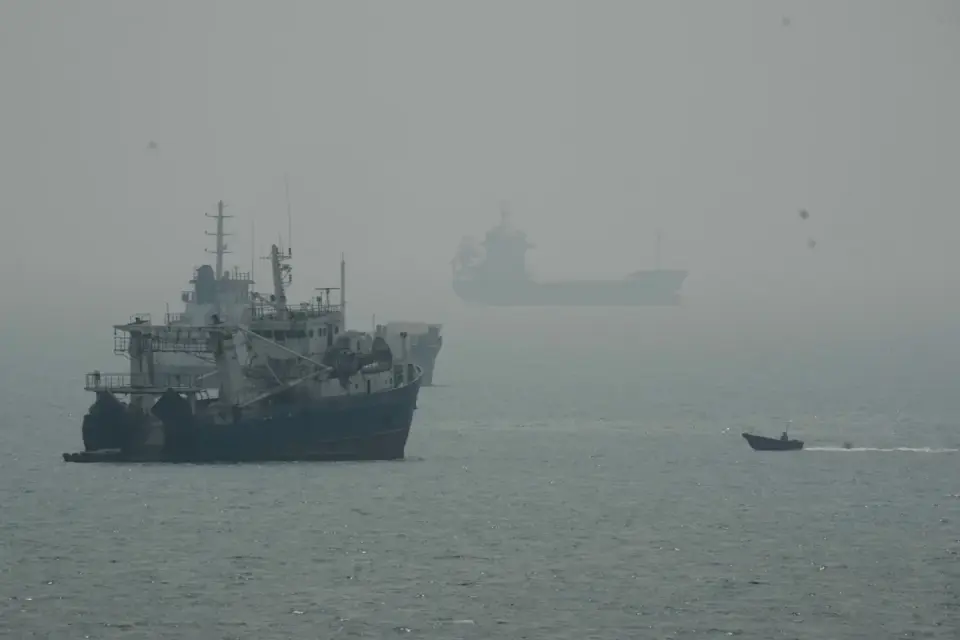
Six months into the Iran conflict, global energy markets remain volatile with no clear exit strategy. Although crude prices have not spiked as high as initially feared due to lower demand and ample stockpiles, the disruption of the Strait of Hormuz continues to erode supply buffers. This uncertainty is complicating mergers and acquisitions in the exploration sector, while rising energy costs fuel global unrest.
Key points
- J.P. Morgan notes that key economic red lines, including $100 oil and 5% Treasury yields, have been crossed, yet the exit strategy remains unclear.
- Lower oil demand and ample stockpiles have prevented a total price collapse, despite ongoing disruptions to Middle East barrels.
- Rystad Energy reports that global M&A opportunities in the exploration sector have swelled to $137 billion, but volatile prices are making deals harder to execute.
- The New York Times reports that soaring energy costs are creating pain and unrest in many nations worldwide.
- Market watchers acknowledge that the status of the Strait of Hormuz will remain messy for months to come.
Background
Since August 2026, the U.S.-Iran conflict has driven oil prices toward $109 a barrel and diesel to record highs, prompting the White House to summon refiners and implement new sanctions. Previous coverage highlighted the widening regional instability and the administration's limited leverage over prices in a tight market.
How outlets are covering it
J.P. Morgan emphasizes that while inventory cushions are preventing a total price collapse, the lack of a clear exit strategy is a major concern. Rystad Energy highlights how volatility is reshaping deal structures, making transactions more complex despite a larger opportunity set. The New York Times focuses on the human impact, noting that high energy costs are driving global unrest. The primary source from Yahoo Finance appears to be a technical error page and provides no substantive content for synthesis.
Why it matters
Prolonged uncertainty in energy markets affects global inflation, corporate strategy, and geopolitical stability. The inability to model the endgame of the conflict means that economic red lines may continue to be crossed, impacting borrowing costs and consumer prices worldwide.
What to watch
Analysts expect more flexible deal structures and stronger safeguards in M&A as buyers and sellers seek to share commodity-price risk. The status of the Strait of Hormuz will likely remain a source of volatility for months, with market watchers closely monitoring inventory levels and demand trends.
- Energy markets grapple with Iran war uncertainty: 'We simply don't know how to model the endgame' Yahoo Finance
- Oil's shrug emoji era Axios
- JP Morgan says it has no clear oil market endgame as Iran conflict drags on Reuters
- JPMorgan Analysts Unsure How to Model Oil as Iran War Drags On Bloomberg.com
- U.S. Moves To Push Energy And Consumer Prices Higher For Itself And Its Allies Seeking Alpha
Want the full story? Read the original reporting
Read on Yahoo Finance