
Record cocoa costs and fuel surcharges drive record $13.5B Halloween spend despite sales slump
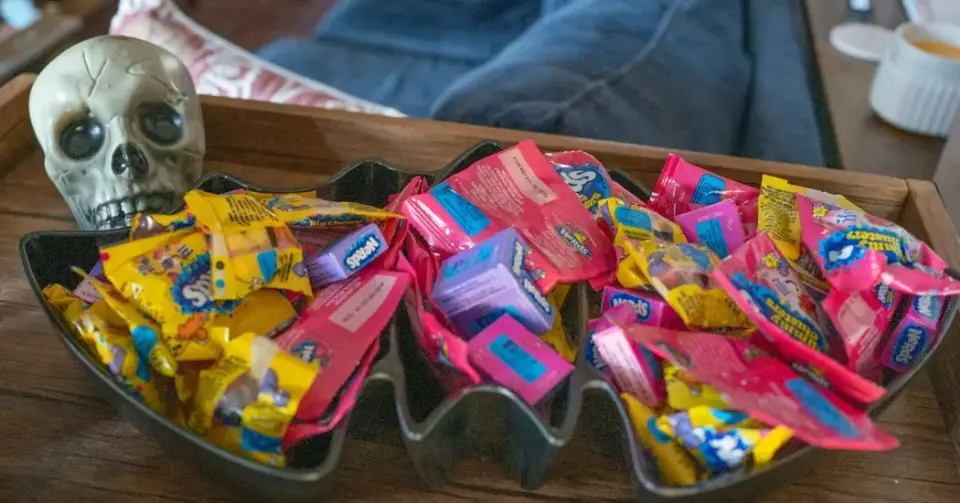
Americans are projected to spend a record $13.5 billion on Halloween in 2026, with $4.1 billion allocated to candy alone, according to the National Retail Federation. Despite this aggregate increase, early candy sales dropped 6.7% through mid-October, reflecting a consumer squeeze. Prices for a 100-piece candy bag average $16.96, up 71% from 2021. The cost surge is driven by lingering effects of record cocoa prices, higher fuel surcharges, and broader inflation. While some households are skipping traditions or buying smaller packs, total spending remains high due to participation rates and higher unit prices.
Key points
- The National Retail Federation forecasts total Halloween spending at $13.5 billion, a $400 million increase over 2025, with candy accounting for $4.1 billion.
- NielsenIQ reported a 6.7% decline in candy sales for the month ending October 17, 2026, following an 11.7% drop in mid-September.
- A 100-piece bag of assorted candy costs an average of $16.96 in 2026, representing a 71% increase from 2021 levels.
- Cocoa prices spiked to a record $10,710 per metric ton in January 2025 due to West African weather and speculative trading, though they have since fallen to $3,241 per metric ton.
- Gasoline prices reached $4.29 per gallon, up nearly 40% from the previous year, contributing to broader affordability concerns that dampen discretionary spending.
- Manufacturers like Mondelez and Ferrero raised candy prices by 39% and 19% respectively, while some reformulated products to use cheaper vegetable oils instead of cocoa.
Background
Recent archive coverage highlighted a 6.7% drop in early Halloween candy sales, linking the decline to high gas prices and elevated chocolate costs. Previous reports noted that consumers were shifting toward smaller package sizes and delaying purchases due to rising costs, while industry experts debated whether the slowdown was due to price sensitivity or broader budget constraints. The current situation reflects the culmination of these trends, with record aggregate spending masking a significant drop in unit sales volume.
How outlets are covering it
The New York Times highlights the personal impact on retirees, noting that some households are skipping the tradition entirely due to tight budgets. CBS News emphasizes the structural drivers, citing fuel surcharges and tariff costs as key factors, and notes that online shopping for costumes has declined. AP News focuses on the sales slump, attributing the 6.7% drop to broader affordability issues rather than just candy prices, and notes that non-chocolate candy sales also declined despite lower prices. Valley News Live provides local context, noting that large candy bags that once cost $10 to $15 now run closer to $24, and highlights local events as alternatives to traditional trick-or-treating.
Why it matters
The divergence between record aggregate spending and declining sales volume indicates a shift in consumer behavior, with households prioritizing essential expenses over discretionary holiday spending. The reliance on cheaper ingredients and reformulated products may have long-term implications for product quality and consumer trust. Additionally, the impact of climate change on cocoa supply and fuel prices suggests that these cost pressures may persist into 2027 and 2028, affecting broader consumer confidence and holiday spending patterns.
What to watch
Analysts expect Halloween-related costs to continue rising through 2027 and 2028, driven by climate change impacts on cocoa production and higher fuel prices. Consumers are likely to continue seeking deals, comparing prices per piece, and delaying purchases until closer to the holiday. Manufacturers may further reformulate products to reduce costs, and the industry may see a continued shift toward smaller package sizes and non-chocolate alternatives.
- Why Is Halloween Candy So Expensive? The New York Times
- Consumers face scarier Halloween costs this year. Here's why. CBS News
- Halloween candy sales are off to a slow start amid high chocolate prices and affordability concerns AP News
- Halloween events around Fargo-Moorhead and what to know about candy prices Valley News Live
- Candy prices surge beyond inflation, but Americans still plan to spend billions on Halloween staples Fox News
Want the full story? Read the original reporting
Read on The New York Times