
Warsh’s Rate Hike Decision Tests Fed Unity and Communication Strategy
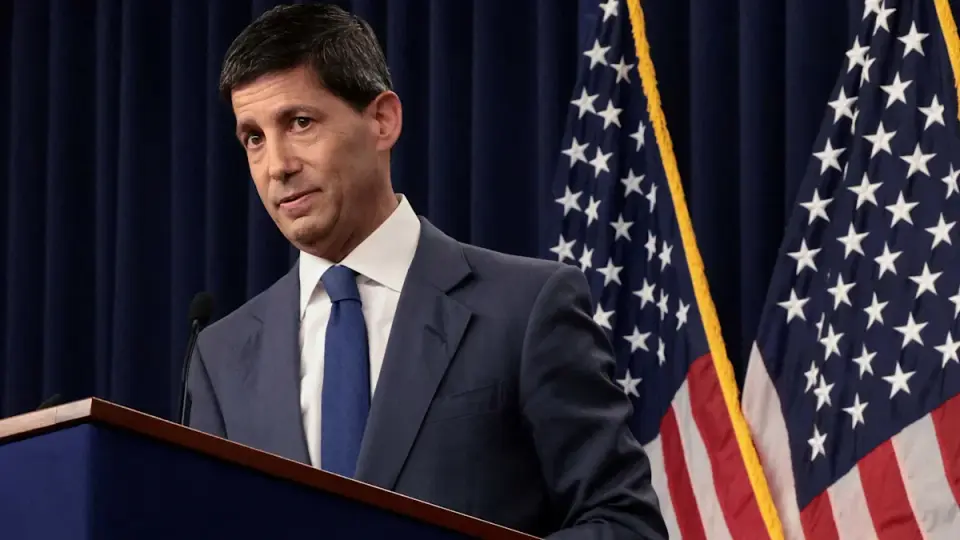
Federal Reserve Chair Kevin Warsh faces a critical decision this week as the FOMC weighs a likely 25 basis point interest rate hike. While markets price a near-certain increase, the vote margin and Warsh’s post-meeting communication will reveal the committee’s internal division and his leadership effectiveness.
Key points
- Futures traders assign a 92% probability to a rate hike this week, with the fed funds rate currently at 3.50% to 3.75%.
- The August CPI showed headline inflation at 3.4% and core inflation at 2.4%, down 0.1 percentage point from July.
- Three dissenters from the July meeting—Dallas, Cleveland, and Minneapolis Fed presidents—previously supported a hike, suggesting a potential shift in votes.
- Warsh’s communication style is under scrutiny following a poorly received July press conference, with analysts warning that vague explanations could damage Fed credibility.
- The dot plot update will reveal expectations for 2027 and 2029, though Warsh withheld his own projection in June.
Background
Warsh’s leadership has been marked by a reluctance to provide explicit forward guidance, a stance that drew criticism after his July press conference. Previous archive coverage noted tensions between the Fed and the Trump administration over rate policy, with markets pricing a 60% chance of a September hike following strong job data and inflation concerns. Warsh’s Jackson Hole speech in August hinted at potential action but avoided specifics, keeping markets uncertain about the timing and rationale for policy shifts.
How outlets are covering it
CNBC emphasizes the internal FOMC divide, noting that while three July dissenters may support a hike, other members like Christopher Waller and John Williams advocate patience. CNBC highlights the risk that a close vote could be masked by a united front, potentially obscuring the true extent of disagreement. Axios focuses on Warsh’s communication challenge, arguing that the rationale for the hike—whether it addresses tariffs, energy shocks, or AI-driven demand—is more critical than the move itself. Axios warns that failing to articulate a coherent framework could lead markets to question the Fed’s commitment to its 2% inflation target. Both outlets agree that Warsh’s ability to balance transparency with his anti-guidance stance will define his early tenure.
Why it matters
The outcome of this meeting will signal whether the Fed views current inflation as temporary or entrenched, influencing market expectations for future rate cycles. A clear communication strategy from Warsh could stabilize investor confidence, while ambiguity may exacerbate volatility and undermine the Fed’s credibility in managing inflation expectations.
What to watch
Investors will closely monitor the FOMC vote margin, the dot plot projections for 2027 and 2029, and Warsh’s press conference remarks. Future attention will shift to whether the December meeting includes another hike, as futures currently price a 75% chance of a second move. The Fed’s ability to articulate a consistent rationale for its policy path will be crucial in maintaining market stability.
- Too early to judge Fed Chairman Kevin Warsh's communication style, billionaire investor David Rubenstein says Yahoo Finance
- Counting the votes: Warsh faces a tough battle as the Fed girds for expected interest rate hike CNBC
- Kevin Warsh should raise interest rates The Economist
- Fed's table is set for a rate hike, a first under Warsh Reuters
- How Warsh can avoid a repeat of July's communications mess Axios
Want the full story? Read the original reporting
Read on Yahoo Finance