
Treasury Yields Plunge as AI Sell-Off and Hawkish Fed Expectations Drive Safe-Haven Demand
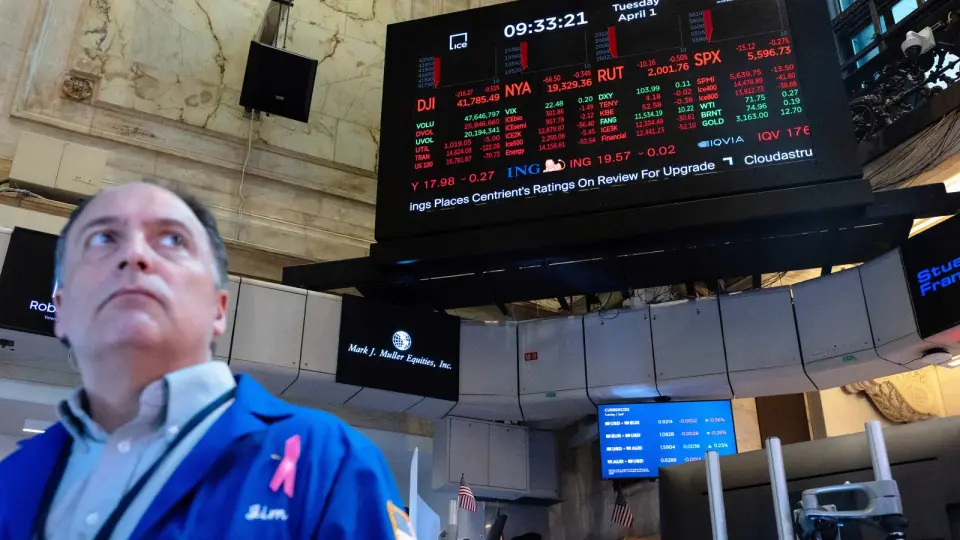
U.S. Treasury yields dropped sharply on Friday as investors fled equities amid a global stock selloff, particularly in the artificial intelligence sector. The 10-year yield fell to 4.989%, while the 2-year and 30-year yields also declined. This move follows a period where yields had risen above 5% due to inflation concerns and expectations of Federal Reserve rate hikes. The current decline reflects a shift toward safe-haven assets, driven by doubts over the AI trade and hawkish signals from Fed officials.
Key points
- The 10-year Treasury yield fell 6 basis points to 4.989%, while the 2-year yield dropped to 4.713% and the 30-year yield to 5.361%.
- The decline was triggered by an equities sell-off, with investors moving into safe-haven assets ahead of Federal Reserve Governor Christopher Waller's speech.
- Traders are pricing in a 98.7% chance of a quarter-point rate hike in December, with some expecting a half-point increase.
- The 10-year yield had previously risen above 5% for 27 days, nearing the longest run since 2007, due to stubborn inflation and AI-related debt issuance.
- Initial jobless claims came in at 203,000, higher than the expected 197,000, adding to economic uncertainty.
Background
This development follows a volatile period for Treasury yields. In October, yields hit one-month lows due to a European fiscal crisis and AI sell-off, with the 10-year yield dropping below 5%. By November, yields had rebounded above 5% as inflation concerns and Fed hawkishness intensified. Gold prices had also fluctuated, falling below $4,000 in early November before rebounding to $4,125, reflecting shifting safe-haven dynamics. Bitcoin had also declined to $62,000, driven by rising yields and ETF outflows.
How outlets are covering it
CNBC emphasizes the immediate safe-haven bid driven by the equities sell-off and Waller's hawkish comments, noting the 98.7% probability of a December rate hike. Bloomberg highlights the broader context of AI trade doubts and the 10-year yield's historic run above 5%, linking the current decline to a global stock selloff. Yahoo Finance focuses on the inflation-driven rate hike expectations and the impact on mortgages and loans, noting the 27-day run above 5%. Briefs Finance provides a detailed breakdown of yield movements across maturities and the Fed's October minutes, which signaled caution but openness to rate hikes. All sources agree on the safe-haven rotation but differ in emphasis: CNBC and Bloomberg focus on the immediate market reaction, while Yahoo Finance and Briefs Finance highlight the structural drivers like inflation and AI debt.
Why it matters
The sharp drop in Treasury yields signals a shift in investor sentiment from growth to safety, reflecting concerns about the AI sector and inflation. This move impacts mortgage rates, loan costs, and broader financial markets. The hawkish Fed stance and potential rate hikes could further pressure equities and influence global economic policy. The safe-haven rotation also affects other assets like gold and Bitcoin, which have seen volatility in response to yield changes.
What to watch
Investors will closely watch Federal Reserve Governor Christopher Waller's speech for further signals on December rate decisions. The November Michigan consumer sentiment data, expected to show a modest improvement, will also be monitored. Future yield movements will depend on inflation data, Fed policy, and the trajectory of the AI sector. If the Fed proceeds with a rate hike, yields may stabilize or rise, while further equity sell-offs could push yields lower.
- Treasury yields are sharply lower as investors flee to safe havens CNBC
- Treasuries Eye Longest Rally in Five Months on Haven Demand Bloomberg.com
- Treasury Yields Fall as Anthropic Fails to Sustain Risk Appetite WSJ
- US 10-Year Yield Set for Historic Run Above 5% on Fed Rate Cycle Yahoo Finance
- Treasury yields edge up as traders sift Fed minutes and jobless claims Briefs Finance
Want the full story? Read the original reporting
Read on CNBC