
UK Inflation Hits 3.6% as Record Diesel Prices and Middle East Conflict Drive Costs
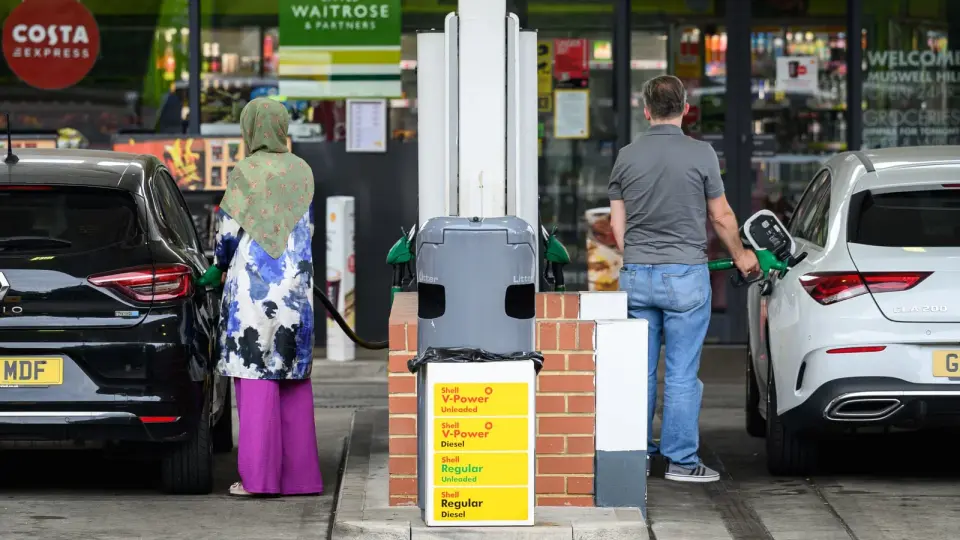
UK inflation rose to 3.6% in October, its highest level in a year, driven by a 33.2% surge in motor fuel costs. Diesel prices reached a record high of 199.5 pence per liter, while petrol hit 174.7 pence. The Bank of England recently raised interest rates to 4% and warns inflation could reach 5% by mid-2027 if the Middle East conflict continues. Markets price an 80% chance of a December rate hike, though some analysts suggest the Bank may wait until February.
Key points
- UK inflation reached 3.6% in October, up from 3.5% in September, matching economist forecasts.
- Motor fuel costs rose 33.2% year-on-year, the largest increase since July 2022.
- Average diesel prices hit 199.5 pence per liter, the highest since records began in 1996.
- The Bank of England raised rates to 4% in November and warned inflation could peak at 5% by mid-2027.
- Household energy bills are forecast to rise 26% to £2,166 annually from January, adding £443 to costs.
- Food inflation slowed to 0.9%, the lowest since 2021, with chocolate prices falling 2.9%.
Background
The current inflation surge follows a period of rising energy costs linked to the US-Iran war that began in late February 2026. Previous reports noted that US diesel prices hit $6 per gallon in September, and global oil prices remained elevated despite some recent declines. The UK, as a net energy importer, is particularly vulnerable to these external shocks, especially given disruptions in the Strait of Hormuz. The Bank of England had previously hiked rates for the first time in three years in early November, signaling a commitment to returning inflation to its 2% target.
How outlets are covering it
CNBC and The Guardian emphasize the record-high diesel prices and the direct impact of the Middle East conflict on UK inflation, noting that fuel costs are the primary driver. The BBC highlights the political fallout, with the government pointing to energy payments and VAT cuts as mitigation strategies, while opposition parties blame the conflict and Labour’s tax policies. Analysts are divided on the Bank of England’s next move: CNBC notes an 80% market expectation for a December hike, while The Guardian and BBC suggest the Bank may wait until February, citing that core and services inflation remained stable at 2.8% and 3.7%, respectively. JPMorgan’s Scott Gardner suggests a short-term reprieve from falling oil prices, but warns the broader inflation outlook remains challenging through 2027.
Why it matters
Rising inflation and energy costs are straining household budgets, with full-time workers reporting they cannot afford to live. The Bank of England’s potential rate hikes could further burden consumers and businesses, while the government faces pressure to provide more support. The situation underscores the UK’s vulnerability to global energy shocks and the long-term economic impact of geopolitical conflicts.
What to watch
The Bank of England will decide on interest rates in December, with markets expecting a possible hike. Ofgem will set the new energy price cap next Wednesday, confirming the forecast 26% rise in household bills. Inflation data for November will be released on December 16, just before the Bank’s rate decision. The government is expected to continue monitoring the impact of the Middle East conflict on energy prices and may introduce further support measures for households.
- Record diesel prices drive UK inflation to 1-year high of 3.6% CNBC
- U.K. Inflation Rises as Energy Costs Keep Pressure on Bank of England WSJ
- UK inflation rises to one-year high but markets trim rate hike bets Reuters
- UK inflation rate rises again, hitting 3.6% in October BBC
- UK inflation rises to highest level in a year on back of higher petrol and diesel prices – business live The Guardian
Want the full story? Read the original reporting
Read on CNBC