
US Business Activity Holds Near Five-Year High as Inflation Reaccelerates
US business activity remained near a multi-year high in October, but price pressures surged to their fastest pace since 2022. Strong demand and AI investment drove expansion, while rising costs and supply bottlenecks raised inflation concerns for the Federal Reserve.
Key points
- The S&P Global flash composite index fell 0.8 points to 57.6 in October, marking the second-highest reading since 2022.
- Selling prices rose at the fastest rate in over four years, driven by higher energy, transportation, and raw material costs.
- New orders posted the fastest growth in four and a half years, while employment expanded at the second-fastest pace in four years.
- Supplier delivery times lengthened the most since 2022 due to material and labor shortages, as well as shipping delays.
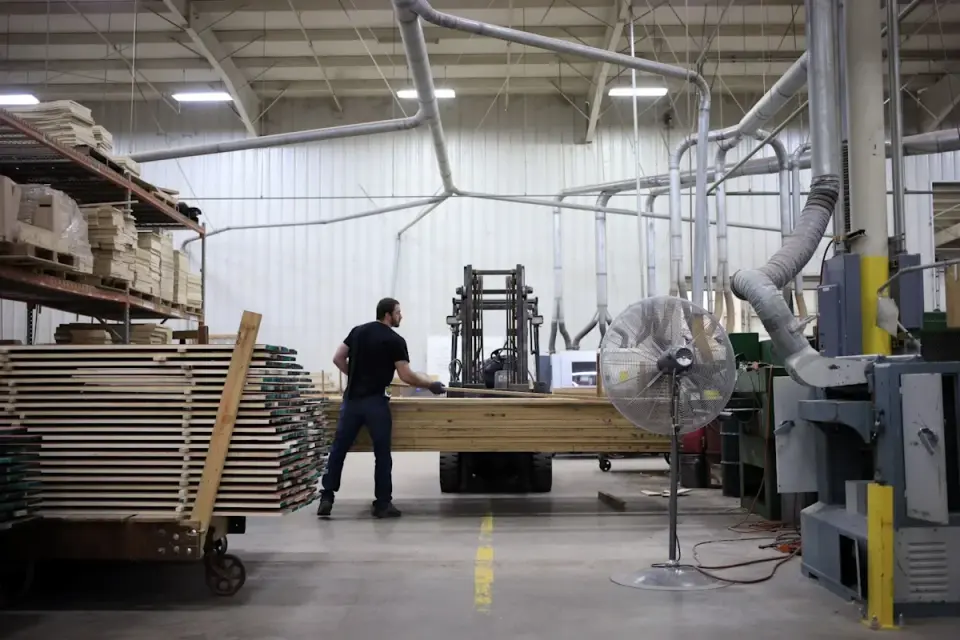
- The manufacturing index reached 56, its strongest level since May 2022, while service provider activity eased slightly.
Background
Recent corporate actions, such as Netflix's 1,000 job cuts and TSMC's expansion in Arizona, reflect a broader economic environment where companies are balancing growth with cost pressures and tariff risks. The current inflation surge follows a period of elevated commodity prices and shifting trade policies.
How outlets are covering it
Bloomberg emphasizes the strength of US business growth since 2015, attributing it to consumer spending, AI investment, and defense outlays, while noting cost pressures as a key concern. RealMoney Pro highlights the hawkish implications for the Federal Reserve, suggesting that rising input costs could lead to rate hikes in December, with market expectations currently favoring a 25-basis point increase. Forex Factory focuses on the broad-based nature of the price surge, noting that both manufacturing and services sectors are passing on higher costs to customers, which may impact future inflation data.
Why it matters
The combination of robust business activity and accelerating inflation creates a policy dilemma for the Federal Reserve. If inflation continues to rise, the Fed may need to raise interest rates to prevent overheating, which could slow economic growth. Conversely, if the Fed maintains current rates, inflation could become entrenched, leading to higher costs for consumers and businesses.
What to watch
Economists expect private investment growth to rise in the third quarter and across 2027, supported by AI and related technologies. The next key data points will be the October CPI and PPI releases on November 10 and 11, which will provide further insight into inflation trends. The Federal Reserve's policy meeting next week will also be watched for any shifts in its stance on interest rates.
- US Business Activity Expands, Prices Surge by Most Since 2022 Yahoo Finance
- US business activity cools in October; strong demand fueling price pressures Reuters
- October Flash PMI Is Bullish for This Holding RealMoney Pro
- US Business activity growth holds close to five-year high, but selling prices rise at sharpest rate since August 2022 Forex Factory
- US S&P Global flash October services PMI 57.9 vs 58.0 expected investingLive
Want the full story? Read the original reporting
Read on Yahoo Finance