
US Consumer Sentiment Hits Second-Lowest Level in Decades Amid Oil Shock
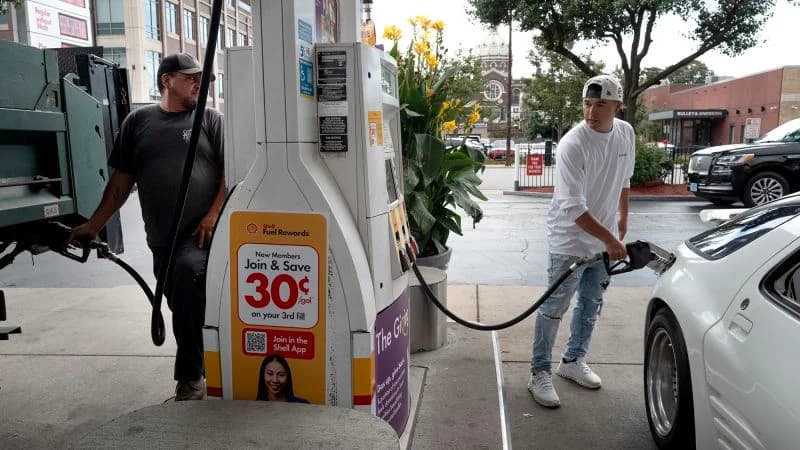
US consumer sentiment dropped to 48.1 in September, its second-lowest reading since 1952, driven by soaring gas and diesel prices linked to the Iran conflict. Inflation expectations rose to 4.6% for the year, prompting the Federal Reserve to hike interest rates for the first time in three years.
Key points
- The University of Michigan consumer sentiment index fell 7% from August to 48.1, marking the second-lowest level in the survey's 74-year history.
- Gas and diesel prices, disrupted by the US-Israeli war with Iran, are the primary drivers of consumer frustration, with diesel prices reaching nominal records.
- Year-ahead inflation expectations jumped to 4.6% from 4.0% in August, the highest since June, while five-year expectations rose to 3.4%.
- The Federal Reserve hiked interest rates earlier in September, its first move in three years, as it monitors rising consumer price expectations.
- Sentiment declined across the political spectrum, with Republicans down 20% and Democrats down 13% compared to January 2026.
Background
This decline follows five and a half years of elevated inflation and cost-of-living pressures since the pandemic. The current drop is exacerbated by the recent Middle East conflict, which has disrupted global oil supply. Prior to the conflict, year-ahead inflation expectations were 3.4%, but they have now risen to match the five-year outlook, signaling persistent price pressure.
Why it matters
Sustained low consumer sentiment and rising inflation expectations can trigger a wage-price spiral, where consumers spend more and demand higher wages, leading businesses to raise prices. This dynamic complicates the Federal Reserve's efforts to stabilize the economy and may influence future monetary policy decisions.
What to watch
The Federal Reserve will continue to monitor inflation expectations and consumer behavior. If the Iran conflict persists, oil prices may remain elevated, keeping pressure on consumer budgets and potentially necessitating further interest rate adjustments.
- Americans still feel worse about the economy than at almost any point in modern history CNN
- University of Michigan consumer sentiment index, September 2026 qz.com
- Bond Selloff Fades as Oil Cools, Lifting Stocks: Markets Wrap bloomberg.com
- US consumer sentiment eases to four-month low in September Reuters
- Consumer Sentiment Ticked Lower in September WSJ
Want the full story? Read the original reporting
Read on CNN