
US Consumers Keep Spending Despite Inflation, Defying Trump's Fed Pressure
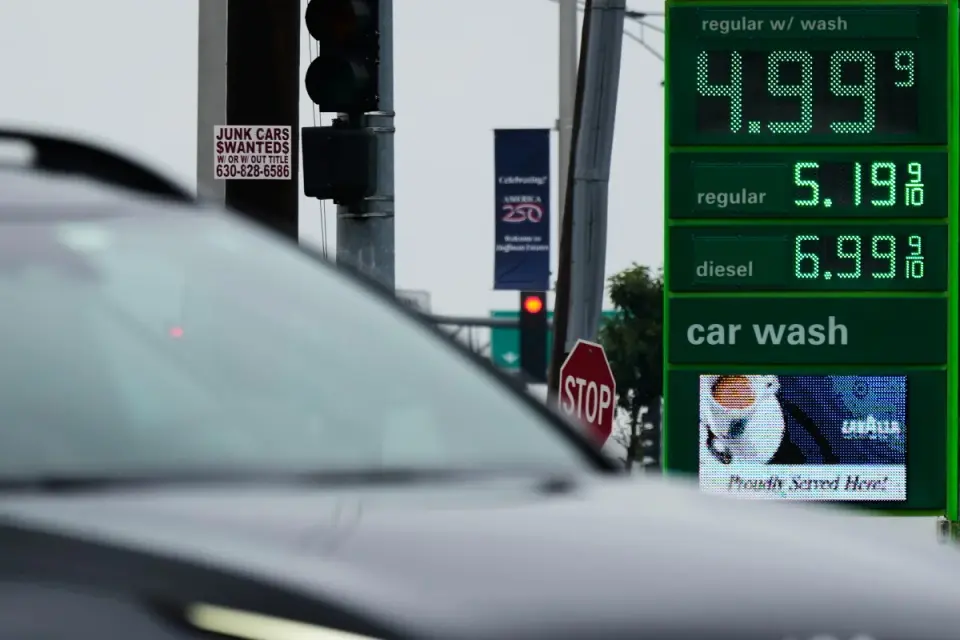
US consumers continue to spend despite rising inflation, defying President Trump's calls for Federal Reserve rate cuts. This spending trend has prompted the president to criticize the Fed's rate-setting committee, though he maintains support for Chairman Kevin Warsh, whom he appointed earlier this year.
Key points
- US consumer spending remains robust despite inflationary pressures.
- President Trump has criticized the Federal Reserve's rate-setting committee in response to continued spending.
- Trump continues to support Federal Reserve Chairman Kevin Warsh, whom he appointed earlier this year.
- The spending trend defies the president's repeated calls for the Fed to cut interest rates.
Background
Recent data shows US inflation reached 3.4% in August 2026, outpacing wage growth of 3.1%, which reversed a trend where wages had been catching up. Real hourly earnings fell 0.3% year-over-year, prompting some households to shift toward discount retailers and cheaper home-based activities like arts and gaming, as noted in earlier coverage. Additionally, strong jobs data has created political complications for the administration's economic messaging, despite the president's claims of an economic boom.
Why it matters
The persistence of consumer spending despite inflation highlights a disconnect between economic indicators and political pressure on monetary policy. This situation complicates the Federal Reserve's decision-making process and underscores the tension between the administration's economic goals and the central bank's mandate to control inflation. The continued support for Chairman Warsh suggests a strategic alignment, even as public criticism of the Fed's committee intensifies.
What to watch
The Federal Reserve is likely to face continued pressure from the administration to cut rates, despite the current inflationary environment. Consumer spending patterns will be closely monitored to assess the impact of inflation on household budgets and the effectiveness of monetary policy. The relationship between the administration and the Federal Reserve may evolve as economic data continues to diverge from political expectations.
Want the full story? Read the original reporting
Read on AP News