
U.S. Existing-Home Sales Hit 16-Year Low in October as Mortgage Rates Freeze Market
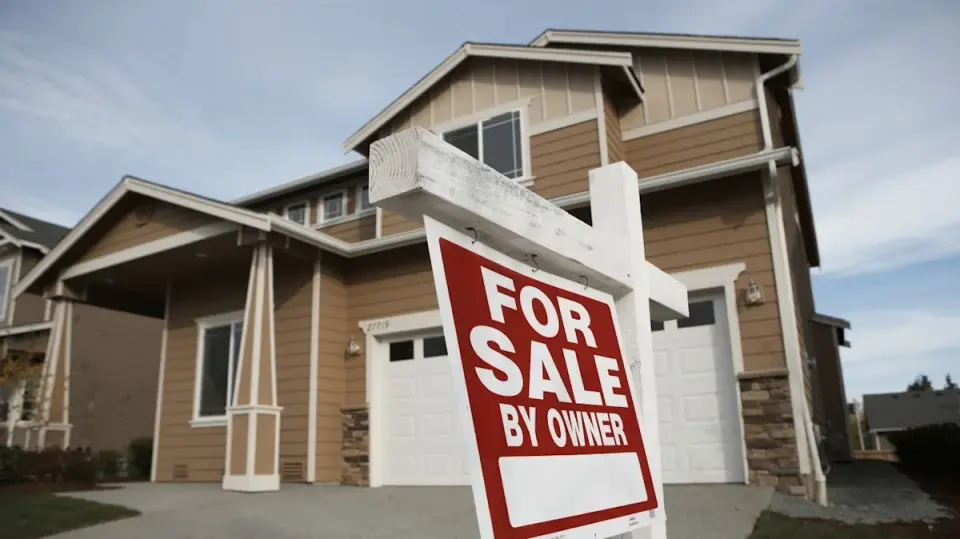
U.S. existing-home sales dropped to a 16-year low in October, driven by high mortgage rates and a 'lock-in' effect where owners refuse to give up low-interest loans. Unlike the 2008 crisis, this slump features stable prices and minimal distressed sales, indicating a freeze in activity rather than a collapse.
Key points
- Existing-home sales fell to a seasonally adjusted annual rate of 3.75 million in October, down 8.8% from a year earlier and 5.5% from September.
- The 30-year mortgage rate averaged 7.33% in October, up from 6.86% in September, making borrowing significantly more expensive.
- Distressed sales accounted for only 2% of transactions, and median home prices rose to $416,700, contrasting sharply with the 2008 financial crisis.
- The Federal Reserve raised benchmark interest rates in September to combat inflation, with potential further hikes expected in December.
- New construction starts slowed to an annualized 1.22 million in September, down 7.4% year-over-year, reflecting broader economic drag.
Background
Our archive from November 2026 notes that this decline follows a period of rising mortgage rates and geopolitical tensions, including the Iran conflict, which pushed inflation higher. Previous reports highlighted that affordability concerns dominated recent midterm elections, and the housing market had been stagnant for four years prior to this sharp drop.
How outlets are covering it
While all sources agree on the 3.75 million sales figure, they differ on the outlook. Yahoo Finance emphasizes the 'lock-in' effect, noting that owners with 3% loans are unwilling to move. NPR highlights the Federal Reserve's deliberate rate hikes to curb inflation, describing the drop as a 'punch in the gut.' The Guardian points to geopolitical factors and rising inflation as drivers, while Realtor.com's Danielle Hale suggests this is a temporary 'perfect storm' rather than a new normal, expecting a rebound once rates stabilize.
Why it matters
Housing is the largest private industry by GDP share. A sales freeze reduces spending on movers, furniture, and remodeling, potentially slowing broader economic growth. However, stable prices and low distressed sales suggest the market is frozen rather than collapsing, with recovery likely dependent on future rate cuts.
What to watch
Analysts are watching the November NAR report for signs of buyer return, specifically first-time buyer share and months of supply. If inventory continues to climb while sales stall, sellers may eventually cut prices, breaking the current freeze. The Federal Reserve's December decision on interest rates will also be critical for determining future borrowing costs.
- U.S. Home Sales Just Fell to a 16-Year Low. The Last Time They Were This Weak Was After the 2008 Crash Yahoo Finance
- 'Punch in the gut': Homes sales fall to their lowest in 16 years NPR
- Home sales hit 16-year low in October amid soaring mortgage rates The Guardian
- Increasing cost of housing squeezes Americans out of market PBS
- Housing Week Ahead: Construction Insights, Rental Trends, and Pending Sales Realtor.com
Want the full story? Read the original reporting
Read on Yahoo Finance