
US Gas Prices Dip Below $4 Amid Seasonal Demand Drop and Refinery Output Surge
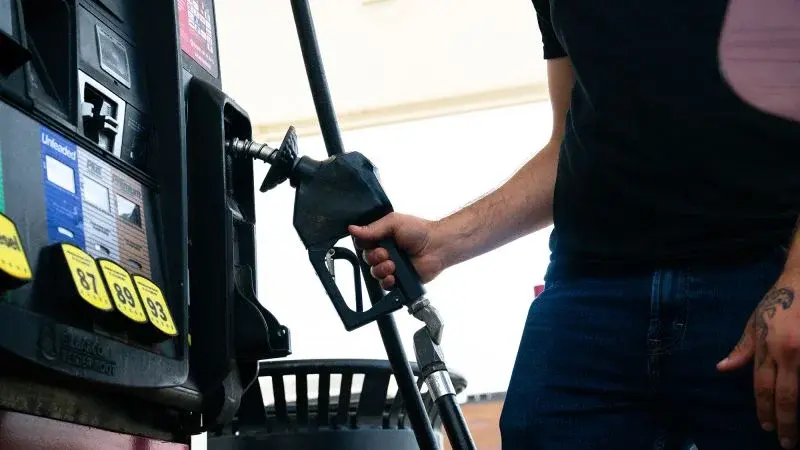
The national average price for a gallon of gasoline fell to approximately $4.01 on November 9, 2026, marking the first time it has dropped below the $4 threshold since July. This decline, which represents a 14-cent drop since Election Day, is attributed to seasonal factors including the end of the summer driving season and earlier sunsets reducing fuel demand. While 26 states now have averages below $4, experts warn that prices may rise again in spring 2027 due to deferred refinery maintenance and reduced global refining capacity from conflicts in the Middle East and Russia.
Key points
- National average gas price reached $4.01, down 36 cents from a month ago.
- Seasonal factors, including shorter days and lower driving demand, are primary drivers of the price drop.
- Refineries are operating at maximum capacity to meet high demand for diesel and jet fuel, increasing gasoline supply as a byproduct.
- Wisconsin saw its average price fall to $3.92, the first time below $4 since September.
- Analysts predict prices could rise above $4 in spring 2027 due to deferred maintenance and reduced global refining capacity.
Background
Gas prices had remained elevated throughout 2026, driven by geopolitical tensions including the Iran war and conflicts in the Middle East and Russia. In October, Iran intensified attacks on shipping in the Strait of Hormuz, causing oil flows to drop significantly. The recent price drop follows a period of high inflationary pressures, with gas costs being a major concern for voters during the 2026 midterm elections.
How outlets are covering it
CNN attributes the price drop primarily to seasonal demand factors and increased refinery output for diesel and jet fuel, noting that gasoline is becoming a byproduct of this production. The Milwaukee Journal Sentinel highlights the same seasonal factors but also emphasizes the role of oil tankers hedging deals with Iran and the completion of winter fuel blend transitions. Both sources agree that the drop is not directly linked to the election, as GasBuddy analyst Patrick De Haan notes that gas prices typically fall in the 30 days leading up to elections due to seasonal trends. However, CNN warns of future price increases due to deferred refinery maintenance and reduced global refining capacity, while the Journal Sentinel focuses on the immediate impact of settled global market concerns.
Why it matters
The drop in gas prices provides temporary relief to consumers facing high cost-of-living concerns, but experts warn that this relief may be short-lived. The underlying issues of reduced global refining capacity and deferred maintenance could lead to significant price increases in the future, potentially impacting inflation and consumer spending. Additionally, the seasonal nature of the price drop means that consumers should not expect sustained low prices, as demand for diesel and jet fuel remains high during colder months.
What to watch
Gas prices may remain below $4 through the winter months, but analysts predict a sharp increase in spring 2027 as refineries undergo deferred maintenance and global refining capacity remains reduced. Gas station owners may also be slow to lower prices as they recoup losses from previous price spikes, potentially keeping prices higher than expected. The outcome will depend on global market stability and the pace of refinery maintenance schedules.
- Gas is about to drop below $4 for the first time since July CNN
- Gas prices for 11/08/26: Average getting closer to $4 per gallon, one state at $3.27 AL.com
- National Gas Price Average Drops to $4 per Gallon WSTM
- Gas Prices Fall In Every State; Minnesota Average Drops 18.8 Cents To $3.88 WJON
- Wisconsin drivers see gas prices dip below $4 for first time in months Milwaukee Journal Sentinel
Want the full story? Read the original reporting
Read on CNN