
U.S. Gas Prices Hit Record Highs as Inflation Surges to 3.7%
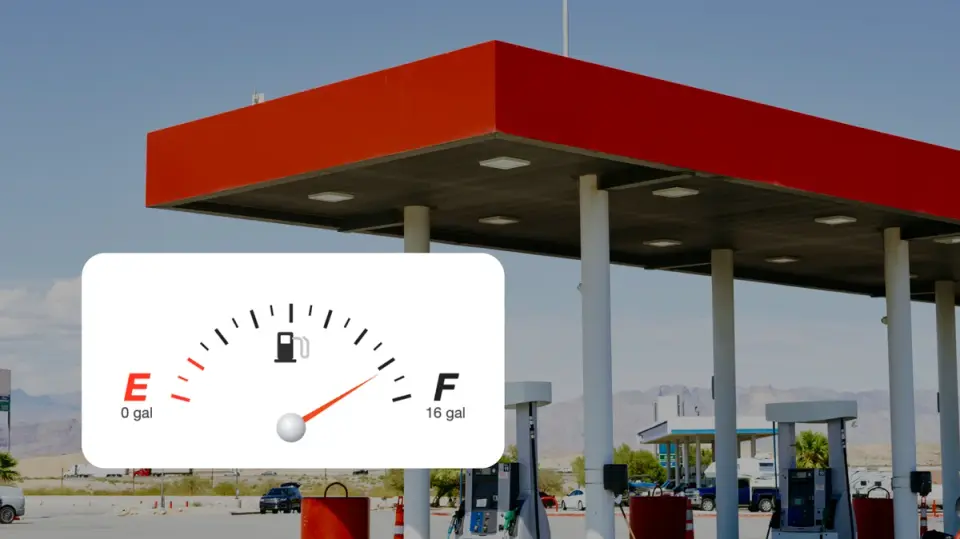
U.S. gasoline prices have reached seasonal record highs, with the national average for regular gas reaching $4.33 per gallon in mid-October 2026. This represents a 34.2% year-over-year increase, driven by the ongoing U.S. war with Iran and crude oil prices nearing $100 per barrel. The surge in fuel costs is a primary driver of the current 3.7% annual inflation rate, significantly impacting consumer purchasing power and political sentiment ahead of the midterm elections.
Key points
- The national average price for regular gasoline is $4.33 per gallon, up from $3.07 a year ago, according to AAA and the U.S. Energy Information Administration.
- The gasoline price index rose 34.2% year-over-year, accounting for over half of the monthly increase in the overall Consumer Price Index, which reached 3.7% in September.
- Crude oil prices have remained near $100 per barrel, with West Texas Intermediate (WTI) settling at $95.09 per barrel on October 15, 2026.
- U.S. crude oil inventories dropped by 8.6 million barrels to 415.6 million, which is 3% below the five-year average, contributing to market volatility.
- Gasoline demand decreased to 8.40 million barrels per day, while domestic supply increased to 208.3 million barrels, according to the EIA.
Background
Rising energy costs have been a central issue in the 2026 midterm elections, with polls showing voters remain unconvinced that the administration can lower prices before Election Day. This follows a September warning from EU Energy Commissioner Dan Jørgensen about potential shortages and high prices due to geopolitical tensions. In the U.S., candidates like Texas Senate nominee Ken Paxton have cited high gas prices and the Iran war as major obstacles to their campaigns.
How outlets are covering it
While all sources agree on the record-high prices and the link to the Iran war, they emphasize different aspects. AAA focuses on the stability of prices, noting that the national average has stayed above $4 since late July despite typical seasonal drops. The Get the Facts Data Team highlights the impact on consumer purchasing power, noting that the 9.1% surge in the gasoline index drove over half of the monthly inflation increase. LancasterOnline provides a local perspective, noting that prices in Lancaster County, Pennsylvania, have exceeded the national average, with local pumps showing $4.19 for unleaded and $5.09 for premium.
Why it matters
The sustained high cost of gasoline is a primary driver of inflation, eroding consumer purchasing power and increasing the cost of living. This economic pressure is influencing political sentiment and voter behavior in the 2026 midterm elections, as candidates struggle to address the issue. The volatility in oil markets and low inventory levels suggest that prices may remain elevated, potentially leading to further economic strain for households.
What to watch
Analysts will monitor crude oil prices and U.S. inventory levels for signs of stabilization. The EIA will release weekly data on gasoline demand and production, which could indicate whether the current trend of decreasing demand and increasing supply will lead to a drop in prices. Political campaigns will continue to focus on the issue of gas prices as a key factor in voter turnout and decision-making in the 2026 midterms.
- How far does your gas money go now? Check with our new calculator WGAL
- Gas Prices Not Budging Much as Crude Oil Remains High AAA Gas Prices
- Gas Costs 34 Percent More Than a Year Ago The New York Times
- Lancaster County gas prices top national average as US sets new record LancasterOnline
- Gas prices for 10/17/26: National average drops another 2 cents Saturday Cleveland.com
Want the full story? Read the original reporting
Read on WGAL