
U.S. Home Asking Prices Drop 1.3% Year-Over-Year, Yet Remain 60% Above Decade-Ago Levels
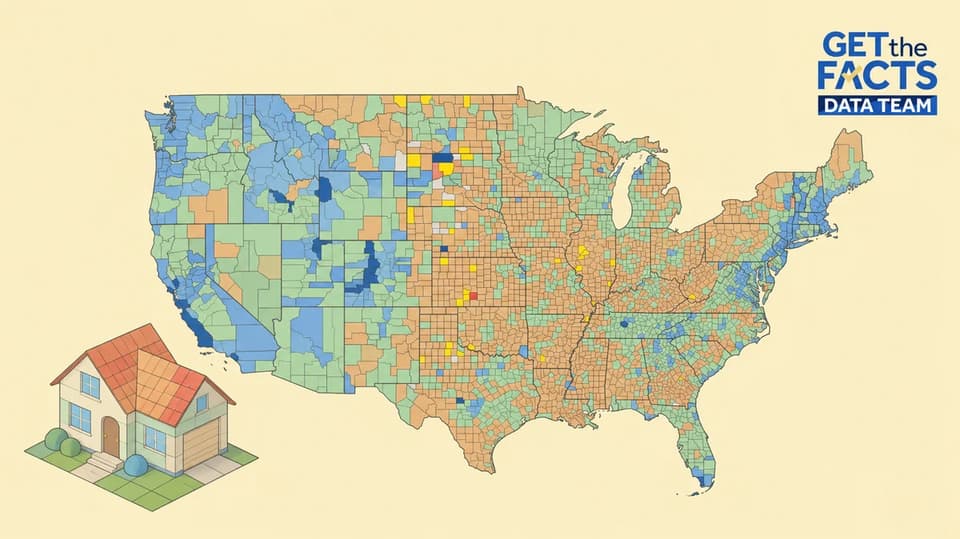
Median U.S. home asking prices fell 1.28% year-over-year to $424,500 in August 2026, marking a shift toward more realistic seller pricing. Despite this decline, prices remain 60% higher than a decade ago, with major markets like Austin and Denver seeing steeper drops as pandemic-era booms correct. The affordability crisis persists, with prices still elevated despite slowing growth.
Key points
- The median asking price for a U.S. home was $424,500 in August 2026, down 1.28% from $429,990 in August 2025.
- Prices are still 60% higher than the 2016 median of $255,265, though inflation-adjusted growth is only 20%.
- Asking prices declined in the Northeast (-3.6%), South (-2.6%), and West (-2.1%), while the Midwest remained flat.
- Austin saw a 10% year-over-year drop in median listing prices, reflecting a correction from pandemic-era surges.
- Sellers are now listing at lower initial prices to attract buyers, rather than starting high and cutting later, according to Realtor.com economist Jiayi Xu.
Background
This trend follows a period of rising new-home inventory and slumping sales, where builders cut prices to clear stock. Existing-home sales slowed in August due to high mortgage rates near 6.8%, even as prices hit a record. Economists have previously warned of a potential 2008-style crack in the market due to weak demand and tight supply, though current data shows a gradual price correction rather than a crash.
Why it matters
The decline in asking prices signals a shift in seller behavior and a potential easing of the affordability crisis, though prices remain historically high. This trend could influence mortgage rates, buyer confidence, and broader economic stability, as housing costs affect consumer spending and wealth accumulation.
What to watch
Jiayi Xu expects median listing prices to continue declining, but emphasizes that prices remain elevated. The key concern is whether the affordability challenge will ease sufficiently to stimulate demand, or if high prices will continue to dampen sales and potentially signal broader economic weakness.
Want the full story? Read the original reporting
Read on WCVB