
US Home Sales Hit 16-Year Low as Mortgage Rates Spike
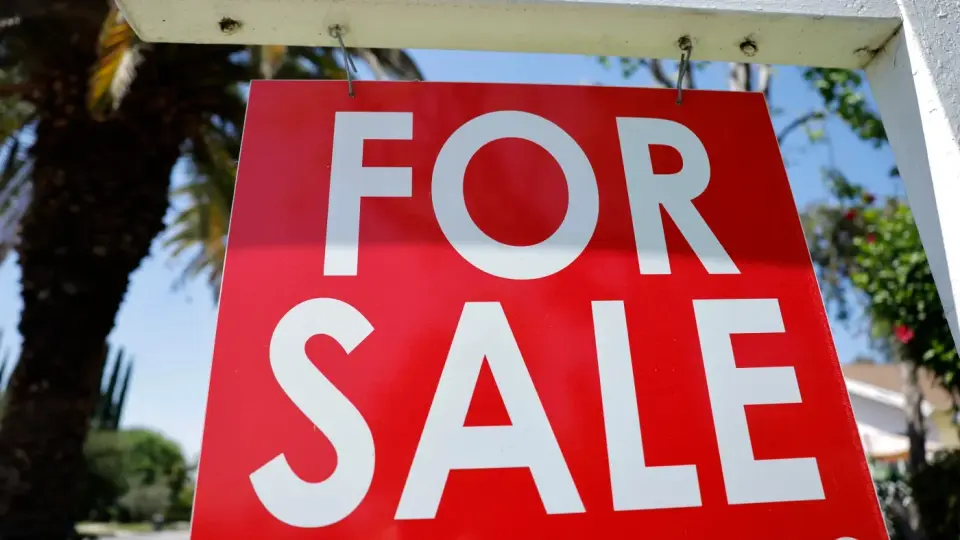
US existing home sales dropped to 3.75 million in October, marking the lowest level since 2010. This 8.8% year-over-year decline is driven by mortgage rates nearing 7.4%, the highest since 2023. While the Federal Reserve’s recent rate hikes aim to curb inflation, they have significantly increased borrowing costs. Buyers are sidelined by high monthly payments, and sellers are reluctant to list homes to avoid losing low locked-in rates, creating a stagnant market despite rising home prices.
Key points
- Existing home sales fell to 3.75 million in October, an 8.8% drop from the previous year and the lowest since August 2010.
- The 30-year fixed mortgage rate reached 7.40% in October, nearing the 2023 peak of 7.79%, up from below 6% in early 2026.
- The median existing-home price rose slightly to $416,700, while monthly mortgage payments for new buyers are estimated at $2,468, an 85% increase over typical current homeowner costs.
- The Federal Reserve raised benchmark interest rates in September to 3.75%-4.00% to combat inflation, with a potential further hike expected in December.
- Pending home sales reached their lowest level in National Association of Realtors history in September, coinciding with rates topping 7%.
Background
The housing market had remained stagnant for over four years, characterized by low inventory and locked-in low rates for existing owners. Recent geopolitical tensions, including the Iran war, and rising inflation have reversed the downward trend in mortgage rates seen in 2024 and 2025. This current slump differs from the Great Recession, as distressed sales are minimal and homeowners retain significant equity, though affordability remains a critical barrier.
How outlets are covering it
NPR and The Guardian emphasize the impact of high mortgage rates and Federal Reserve policy on the sales decline, noting the 'punch in the gut' effect on the market. The Washington Post highlights the disconnect between high home prices and buyer affordability, noting that sellers are reluctant to list homes to avoid higher rates. While all sources agree on the 16-year low, The Guardian attributes the rate spike partly to geopolitical uncertainty and inflation, whereas NPR focuses on the Fed’s deliberate rate hikes to control inflation. The Washington Post notes that while prices are rising, they are not outpacing inflation, suggesting some purchasing power remains but is hindered by financing costs.
Why it matters
The housing market is a key indicator of economic health. A sustained slump could signal broader economic slowdown, as reduced home sales often correlate with lower consumer spending and economic activity. Additionally, high mortgage rates and rising prices may further strain household budgets, potentially influencing political decisions and consumer behavior in the coming months.
What to watch
The Federal Reserve is expected to consider another interest rate hike in December to combat inflation. If rates rise further, mortgage costs will likely increase, potentially deepening the housing slump. Conversely, if inflation cools and rates stabilize, the market may see a gradual recovery, though affordability challenges will persist. Monitoring pending home sales and inventory levels will be crucial for assessing market trends in the coming months.
- 'Punch in the gut': Homes sales fall to their lowest in 16 years NPR
- Home Sales in October Plummet to 16-Year Low WSJ
- Increasing cost of housing squeezes Americans out of market PBS
- Home sales hit 16-year low in October amid soaring mortgage rates The Guardian
- Home sales in worst slump since the aftermath of the Great Recession The Washington Post
Want the full story? Read the original reporting
Read on NPR