
U.S. Homebuilder Confidence Plummets to 14-Year Low as Price Cuts Hit Post-Pandemic High
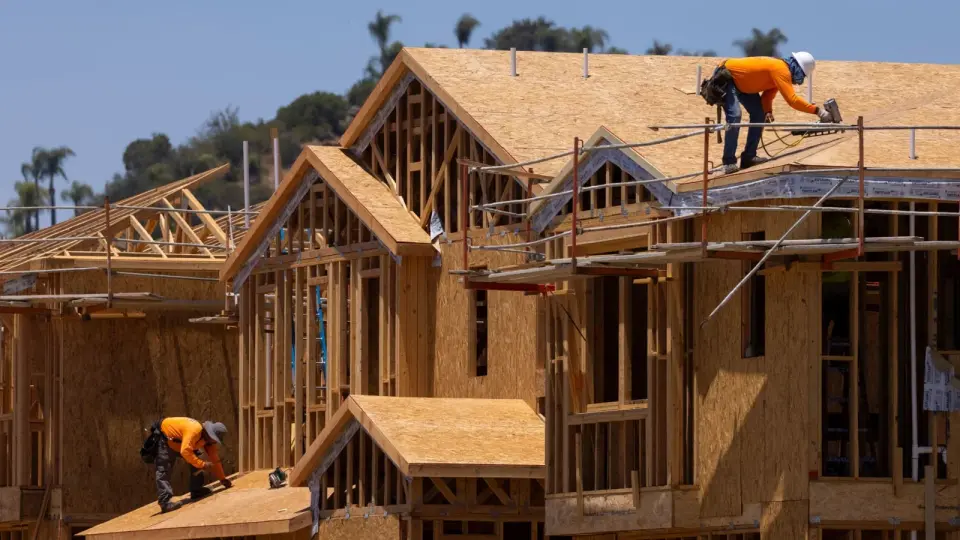
U.S. homebuilder sentiment has collapsed to its lowest level in 14 years, driven by persistent high mortgage rates, rising construction costs, and weak consumer confidence. In November 2026, the National Association of Home Builders (NAHB) Housing Market Index fell to 25, a four-point drop from the previous month. Consequently, 46% of builders are cutting prices, the highest share since the pandemic began, while 68% are offering sales incentives. Buyer traffic has also hit a 15-year low, excluding the 2020 pandemic onset. Although the 30-year fixed mortgage rate briefly dipped, it surged back to 7.51% in early November, further deterring buyers. Regional sentiment declined across all U.S. regions, with the West and South showing the weakest scores. While new home prices remain relatively stable, builders are increasingly relying on mortgage rate buydowns to attract buyers, as existing home prices have softened more significantly due to seller price cuts.
Key points
- The NAHB/Wells Fargo Housing Market Index fell four points to 25 in November 2026, marking the lowest level since April 2012.
- 46% of homebuilders reduced prices in November, the highest share in the post-Covid era, while 68% used sales incentives, a 20-month streak of high incentive usage.
- Buyer traffic dropped two points to 16, the lowest level in 15 years excluding the start of the 2020 pandemic.
- The 30-year fixed mortgage rate reached 7.51% in early November 2026, up from 6.38% a year earlier, deterring potential buyers.
- Regional HMI scores declined across all areas: Northeast (34), Midwest (35), South (27), and West (23).
- Builders are offering mortgage rate buydowns, with the average starting rate for new homes at 5.01% compared to 6.15% for existing homes.
Background
This decline in builder sentiment follows a broader trend of weakening consumer confidence and rising cost-of-living pressures in the U.S. economy. In October 2026, the University of Michigan consumer sentiment index fell to a five-month low of 46.3, driven by inflation expectations and higher borrowing costs. Additionally, fuel costs remained elevated, with gasoline prices 40% higher than the previous year, further straining household budgets. These macroeconomic pressures have contributed to the current housing market softness, as buyers face higher mortgage rates and reduced confidence in the broader economic outlook.
How outlets are covering it
CNBC emphasizes the severity of the sentiment drop, highlighting the 14-year low in the NAHB index and the impact of labor shortages and immigration enforcement on construction costs. MarketWatch focuses on the strategic response of builders, noting that nearly half are cutting prices and offering lower mortgage rates to attract buyers despite rising construction costs. Realtor.com provides a more nuanced view, pointing out that while builders are slashing mortgage rates, they are holding firm on sticker prices, and that existing home prices have softened more significantly than new home prices. This divergence suggests that builders are using incentives to compete with the existing home market, where sellers are more willing to cut prices. All three sources agree on the core issue: high mortgage rates and weak demand are driving price cuts and incentives, but they differ in their emphasis on the causes (labor costs vs. buyer behavior) and the effectiveness of the responses (price cuts vs. rate buydowns).
Why it matters
The collapse in homebuilder sentiment signals a deepening slowdown in the U.S. housing market, which could have broader economic implications. As builders cut prices and offer incentives, they may face reduced margins, potentially leading to fewer new home starts and job losses in the construction sector. For buyers, the current environment offers opportunities for lower mortgage rates and price discounts, but the overall market remains constrained by high interest rates and weak consumer confidence. The divergence between new and existing home prices also suggests that buyers may shift toward existing homes, further pressuring new construction. If mortgage rates do not decline in 2027, as forecast by Goldman Sachs, the housing market could remain stagnant, with limited price growth and continued reliance on incentives to drive sales.
What to watch
The housing market is expected to remain challenged in 2027, with home price growth likely to remain 'anemic' at 1% according to Goldman Sachs. A potential recovery could occur in late 2027 if mortgage rates decline, but this is not guaranteed. Builders may continue to rely on incentives and price cuts to attract buyers, while existing home sellers may further reduce prices to compete. Regional variations will likely persist, with the West and South showing the weakest sentiment. The impact of immigration enforcement on labor costs and the trajectory of fuel prices will also be key factors in determining whether construction costs continue to rise or stabilize. Buyers should monitor mortgage rate trends and incentive offerings, as these will likely remain critical in driving housing activity in the near term.
- Homebuilder sentiment plunges to 14-year low, leading more builders to drop prices CNBC
- US Homebuilder Sentiment Sags to Fresh 14-Year Low on High Rates Bloomberg.com
- Homebuilders aren’t budging on prices. Instead, they’re quietly offering buyers much better deals Fast Company
- Nearly half of home builders are cutting prices and offering lower mortgage rates as they struggle to find buyers MarketWatch
- Builders Are Slashing Mortgage Rates To Win Buyers, but Hold Firm on Sticker Prices Realtor.com
Want the full story? Read the original reporting
Read on CNBC