
US housing market hits record lows as Goldman Sachs warns of prolonged slump
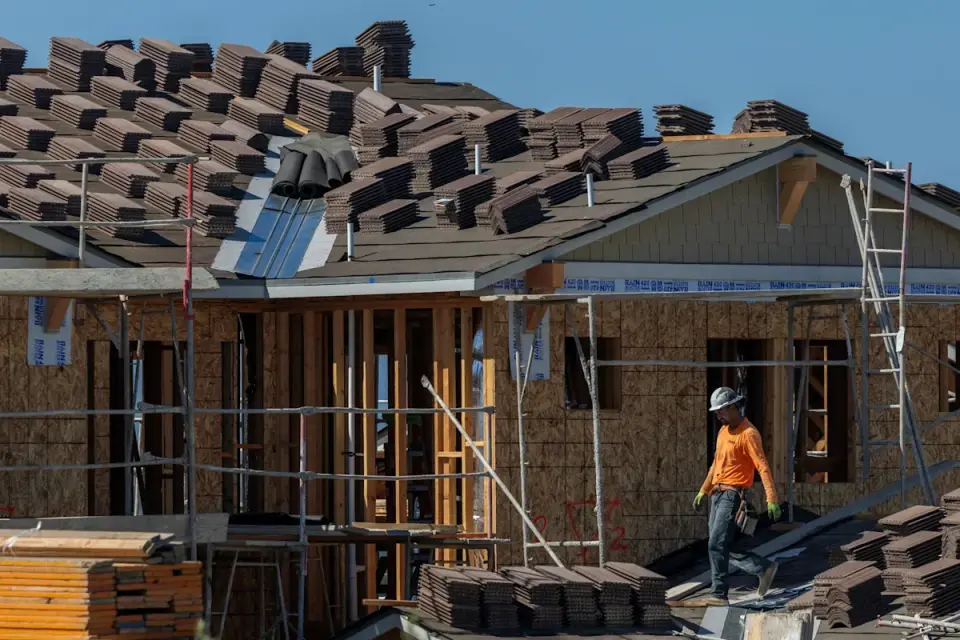
US housing data deteriorated sharply in September, with pending sales hitting an all-time low and construction starts missing expectations. Goldman Sachs warns that high mortgage rates will continue to suppress activity through 2027, while the Federal Reserve faces a dilemma between fighting inflation and supporting a freezing housing sector.
Key points
- Pending home sales fell 7.3% in September, reaching an all-time low in records dating back to 2001, according to the National Association of Realtors.
- Housing starts declined 5.2% on a seasonally adjusted annualized rate, significantly worse than the 0.4% drop expected by analysts.
- Single-family building permits dropped to 845,000, the lowest level since 2023, while home builder sentiment reached a 14-year low.
- Goldman Sachs forecasts residential investment to decline by 2.5% in the first quarter of 2027, with single-family starts remaining near 875,000.
- The 30-year mortgage rate ended September around 7.6%, up from approximately 3% five years ago, severely impacting affordability.
- The Federal Reserve is expected to hold rates steady next week, but futures markets price in a 25-basis point hike in December and another in March 2027.
Background
This deterioration follows recent warnings from Goldman Sachs that AI-driven inflation and fixed income softness are complicating the economic landscape. The current housing slump contrasts with the pandemic-era boom, where low rates fueled demand and price spikes. The market is now characterized by a 'lock-in' effect, where existing homeowners avoid selling due to high borrowing costs, while new construction struggles due to affordability constraints.
How outlets are covering it
CNBC highlights the immediate data shock, noting that pending sales missed estimates by a wide margin and that the Federal Reserve faces a difficult choice between easing policy to help housing or maintaining tightness to combat inflation. The Washington Post provides historical context, arguing that while a 7.4% mortgage rate is painful for current buyers, it is historically normal compared to the 1970s and 1990s, though the current market lacks the previous era's high prices. Goldman Sachs, through economist Ronnie Walker, emphasizes that affordability headwinds will dominate in 2027, keeping activity rangebound due to the interplay between high rates and a persistent housing shortage.
Why it matters
The housing sector is a major driver of the US economy, and its prolonged weakness could dampen broader economic growth. High mortgage rates are reducing home turnover and new construction, which affects related industries and consumer spending. The Federal Reserve's policy decisions will be critical in balancing inflation control with preventing a deeper economic slowdown, particularly as inflation remains elevated due to factors like AI investment and tariffs.
What to watch
Markets expect the Federal Reserve to hold rates steady in its next meeting, but futures suggest a potential hike in December 2026 and March 2027. Goldman Sachs forecasts continued declines in residential investment through 2027, with existing home sales remaining 26% below pre-pandemic levels. The housing market is likely to remain weak until mortgage rates decline or policy changes improve affordability.
- US housing market likely to stay bleak, Goldman Sachs warns Yahoo Finance
- Housing is flashing warning signs just as the Fed weighs more interest rate hikes CNBC
- US pending home sales tumble to record low in September Yahoo Finance
- Why Americans have stopped buying new homes The Economist
- Why buying a house feels so painful now — and your parents may not understand The Washington Post
Want the full story? Read the original reporting
Read on Yahoo Finance