
US Jobless Claims Hold Below 200,000 Amid Slow Hiring and Inflation Fears
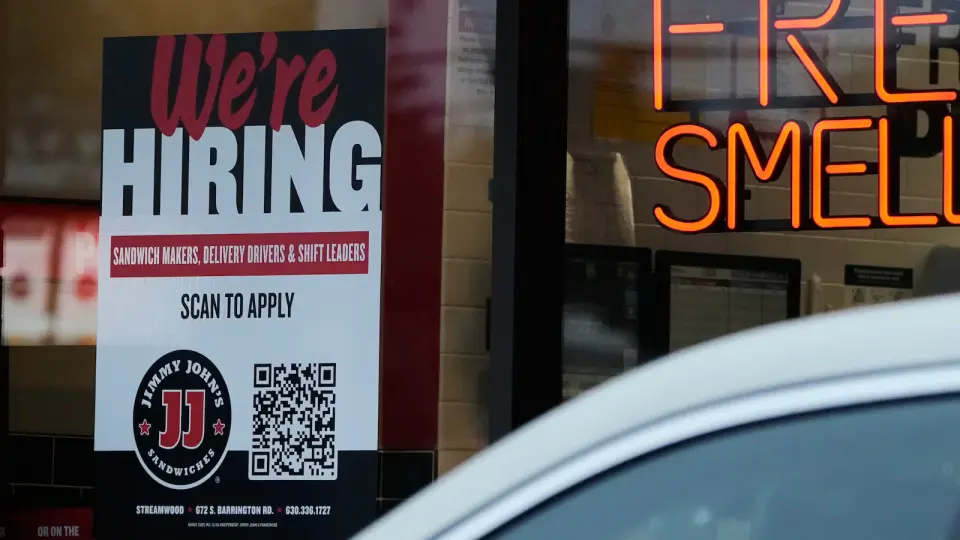
Initial US unemployment claims rose slightly to 199,000 for the week ending October 10, remaining below the 200,000 threshold for a fifth consecutive week. While layoffs are historically low, hiring has slowed significantly, with September job additions dropping to 29,000. The unemployment rate stands at 4.2%. Despite stable job security, concerns persist regarding rising energy prices and borrowing costs, prompting some major retailers like Kroger to announce future corporate layoffs.
Key points
- Initial jobless claims increased by 1,000 to 199,000 for the week ending October 10, according to the Labor Department.
- The four-week average of claims rose by 250 to 198,500, indicating a stable but slightly tightening labor market.
- Claims have remained below 220,000 for most of 2026, signaling low layoff rates and high job security for many workers.
- Hiring activity has been sluggish, with employers adding only 29,000 jobs in September, down from 133,000 in August.
- The unemployment rate ticked up to 4.2% in September, though it remains historically low.
- Slowing population growth and reduced immigration mean fewer new jobs are required to maintain low unemployment rates.
Background
Recent coverage from our archive highlights that this current trend of claims staying below 200,000 marks the fifth consecutive week of such stability, reinforcing the narrative of a resilient labor market despite broader economic headwinds like rising inflation. This continuity suggests that while hiring has slowed, the risk of mass layoffs remains contained, creating a 'low-hire, low-fire' environment that has persisted through the current economic cycle.
Why it matters
The persistence of low unemployment claims despite weak hiring signals a unique labor market dynamic where job security is high but growth is stagnant. This situation complicates economic forecasting, as traditional indicators of recession (rising layoffs) are absent, yet consumer spending and business expansion may be constrained by high costs. The potential for future layoffs in major retail sectors could signal a shift from stability to contraction if inflationary pressures continue to erode corporate margins.
What to watch
Economists will monitor whether the slight rise in weekly claims signals a broader trend or remains an anomaly. Attention will turn to whether high borrowing costs and energy prices trigger further corporate layoffs beyond the retail sector. Future reports will also assess if the low unemployment rate can be sustained without significant job creation, given the slowing population growth and reduced immigration.
Want the full story? Read the original reporting
Read on ABC News - Breaking News, Latest News and Videos