
US Jobless Claims Nudge Higher to 203,000 Amid 'Low-Hire, Low-Fire' Labor Market
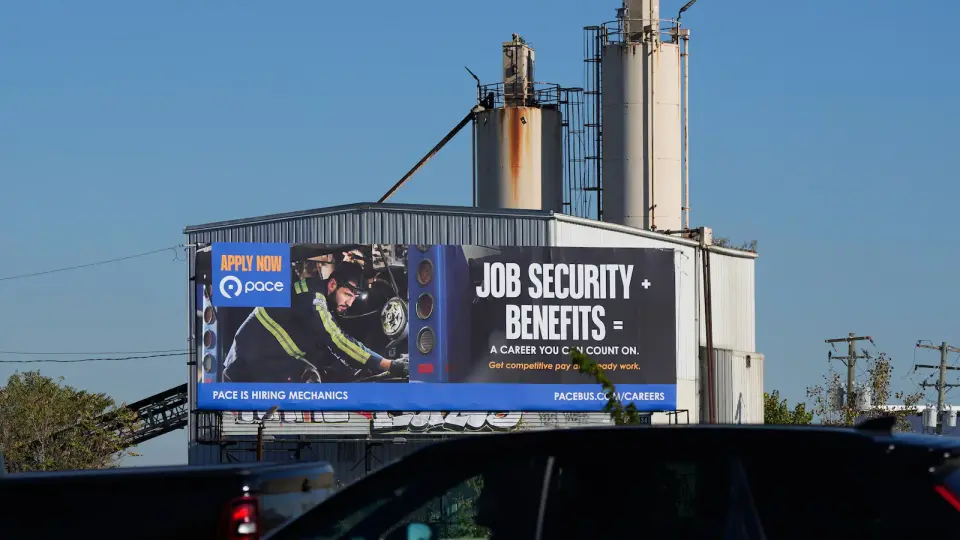
Initial applications for U.S. unemployment benefits rose slightly to 203,000 in the latest week, up from a revised 202,000, while the four-week average increased by 2,000 to 197,750. Despite this marginal uptick, claims remain historically low, staying below the 220,000 threshold throughout 2026. The Labor Department’s data indicates a labor market characterized by low layoffs but also sluggish hiring, a dynamic economists describe as 'low-hire, low-fire.' October job creation exceeded forecasts with 165,000 new positions added, and the unemployment rate dipped to 4.1% from 4.2%. The broader economy expanded at a 3.4% annual rate in the third quarter, driven by resilient consumer spending and data center investments, though elevated inflation has eroded real earnings. While some firms may be delaying hires due to artificial intelligence implementation, there is no evidence yet of AI-driven layoffs.
Key points
- Initial jobless claims rose to 203,000 from a revised 202,000, with the four-week average climbing to 197,750.
- Claims remain historically low, staying below 220,000 for the entire year, indicating strong job security for most workers.
- The labor market exhibits a 'low-hire, low-fire' pattern, with sluggish hiring despite low layoffs.
- October job creation beat expectations with 165,000 new jobs, and the unemployment rate fell to 4.1%.
- The economy grew at a 3.4% annual rate in Q3, supported by consumer spending and data center investment, though inflation has reduced real earnings.
- Economists monitor job data for signs of AI displacement, but no significant increase in layoffs has been observed yet.
Background
Recent coverage from our archive highlights that U.S. jobless claims had previously surprised higher in November, reaching 200,000 and causing gold prices to slide to $3,904, signaling labor market softness. This current report continues the trend of historically low claims, reinforcing the narrative of a resilient but slow-hiring economy. The broader economic context includes strong third-quarter growth and ongoing debates about the impact of artificial intelligence on employment, which remains a key focus for economists and policymakers.
Why it matters
The slight rise in jobless claims, while still historically low, signals a potential shift in the labor market's trajectory. The 'low-hire, low-fire' dynamic suggests that companies are cautious about both hiring and firing, possibly due to economic uncertainty or technological changes like AI. This could impact consumer spending and economic growth in the coming months. Additionally, the resilience of the economy despite elevated inflation and sluggish hiring highlights the complexity of current economic conditions, making it crucial for policymakers to monitor these trends closely.
What to watch
Economists and policymakers will continue to monitor jobless claims and other labor market indicators to assess the impact of artificial intelligence on employment. The Federal Reserve Bank of Atlanta forecasts continued economic expansion at a 3.2% pace in the fourth quarter, but the 'low-hire, low-fire' market may lead to further adjustments in hiring practices. Investors and businesses will also watch for signs of inflation's impact on consumer spending and real earnings, as these factors could influence future economic growth and policy decisions.
Want the full story? Read the original reporting
Read on ABC News - Breaking News, Latest News and Videos