
U.S. New Vehicle Prices Hit Record $51,109 Amid Tariff and Feature Costs
The average transaction cost for a new vehicle in the U.S. reached a record $51,109, up 2.1% from last year. This rise is driven by tariffs on steel and aluminum, higher costs for chips and copper, and a consumer shift toward larger, feature-rich SUVs and trucks. While new car prices are high, used vehicle costs also rose 6% to nearly $27,000 due to limited inventory from past supply chain issues. Buyers are increasingly financing with lower down payments and longer loan terms, often exceeding 84 months, to manage monthly costs despite high interest rates.
Key points
- The average new vehicle transaction price hit a record $51,109, surpassing the previous December 2025 high by approximately $500.
- Year-over-year price growth of 2.1% is below the current inflation rate, marking a slowdown compared to the 3.4% average annual increase seen between 2012 and 2021.
- Production costs have risen due to tariffs on steel, aluminum, and Canadian goods, as well as higher prices for computer chips and copper driven by data center demand.
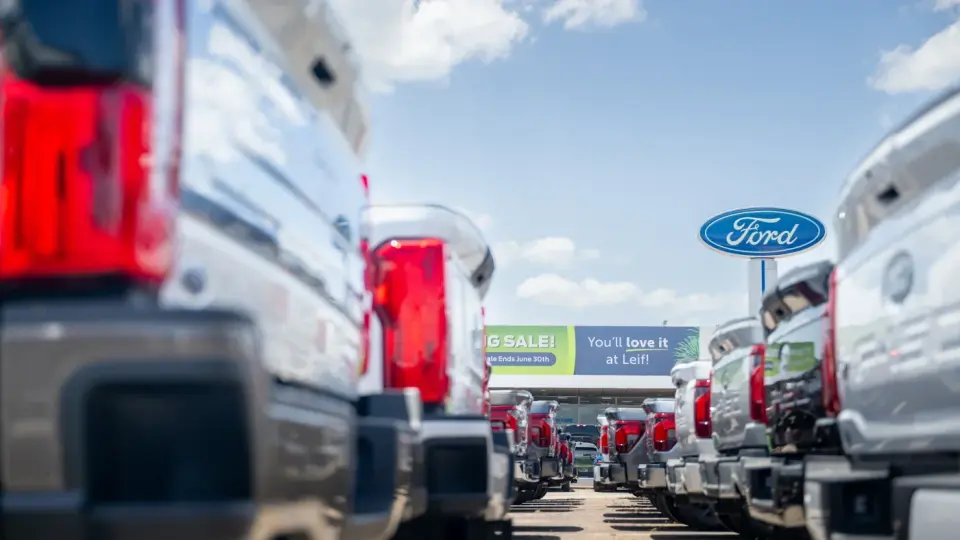
- Consumer preference for larger vehicles, such as full-size pickup trucks averaging nearly $72,000, has reduced the market for compact sedans, which offered lower margins for manufacturers.
- Used car prices increased 6% to nearly $27,000, with limited inventory stemming from pandemic-era production cuts that prioritized profitable models.
- Buyers are financing more aggressively, with average loan amounts reaching $44,664 and over 25% of buyers choosing terms of 84 months or longer.
Background
This record high follows a period of persistent price increases since the pandemic, exacerbated by supply chain disruptions. Recent economic data indicates broader fiscal strain, with the U.S. federal deficit reaching a record $1.99 trillion in fiscal 2026, driven by rising interest costs. Additionally, tariffs have impacted other consumer goods, such as Halloween costumes, which saw average prices soar to $59.29 in 2026. The auto sector faces unique pressures, including a shift toward electric vehicles, which currently account for only 6% of new sales, and a shrinking pool of new buyers as older demographics remain on the road longer.
Why it matters
The rising cost of vehicles impacts household budgets through higher purchase prices and increased financing costs. With auto loan rates exceeding 7% for new cars and 11% for used ones, the combination of high principal amounts and long loan terms creates significant long-term debt burdens for consumers. This trend disproportionately affects first-time buyers who lack trade-in equity, potentially limiting mobility and economic participation. For automakers, the shrinking market and competitive pressure force a focus on capturing market share rather than expanding the customer base, influencing future production strategies and vehicle availability.
What to watch
Analysts expect continued pressure on vehicle prices due to ongoing tariff impacts and high production costs. The market may see further shifts toward larger, premium vehicles as manufacturers prioritize higher-margin models. Consumer behavior may continue to favor longer loan terms and lower down payments to manage monthly cash flow, potentially increasing total interest paid over the life of the loans. As the new car buyer pool shrinks, automakers will likely intensify competition for the remaining customers, possibly leading to more aggressive incentives or adjustments in vehicle features and pricing structures.
Want the full story? Read the original reporting
Read on NPR