
Tech Giants Build Parallel Grids to Bypass Utility Constraints
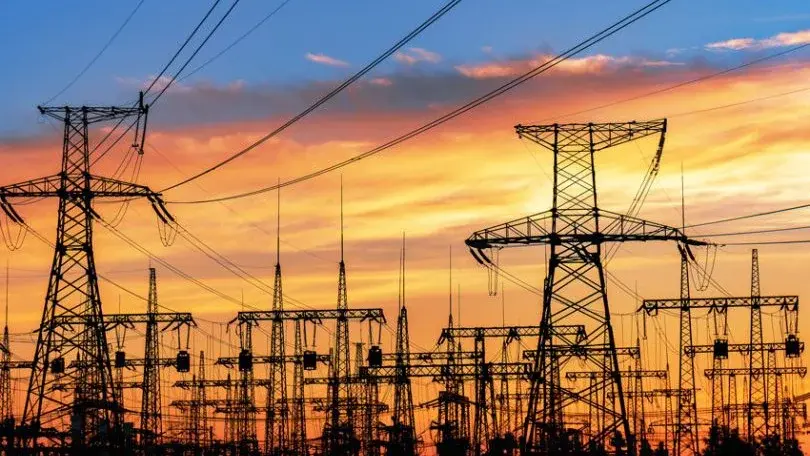
U.S. technology corporations are constructing independent power infrastructure to meet AI data center demands, bypassing traditional utility grids. This shift creates a potential parallel energy market that could disrupt regulated utilities and raise environmental concerns.
Key points
- Microsoft’s market capitalization of $3.8 trillion exceeds the entire U.S. investor-owned utility sector’s $1.2 trillion valuation, highlighting a massive power imbalance.
- Over 2,000 data center facilities are under construction in Texas, Virginia, Georgia, Pennsylvania, and Ohio, primarily located near cheap natural gas resources.
- Developers aim for electricity costs of 3-5 cents per kWh, significantly lower than average industrial utility rates, by using behind-the-meter generation.
- The industry is deploying simple-cycle gas turbines and fuel cells, which are faster to install but less efficient and more polluting than traditional combined-cycle plants.
- Estimates suggest 30-50 gigawatts of new behind-the-meter generation could come online within five years, rivaling the output of major utility fleets.
Background
Recent analyses indicate that data center demand has already increased national wholesale electricity prices by 6.9% in 2025, with projections of a 14.7% impact in the Arizona-New Mexico region by 2028. This surge has prompted legislative efforts, such as Senator Martin Heinrich’s bill, to require large data centers to cover transmission upgrade costs. Meanwhile, rising power costs have forced one in five Americans to reduce food spending, with 81% of long-term residents reporting increased electricity bills. The current trend toward private power generation represents a significant escalation from previous grid integration challenges, as tech firms move to generate their own power rather than relying on regulated utilities.
How outlets are covering it
OilPrice.com frames the situation as a 'T-Rex scenario,' arguing that tech giants possess the financial power to override utility regulations and environmental standards, potentially creating an inefficient and polluting parallel grid. The outlet emphasizes the speed of deployment over efficiency, noting that simple-cycle turbines are used because they can be installed in months, unlike large plants that take five to seven years. In contrast, Yahoo Finance highlights the investment implications, suggesting that while the AI build-out faces regulatory scrutiny and local resistance, the demand for power remains robust. It points to specific corporate strategies, such as Constellation Energy’s 20-year power purchase agreement with Microsoft to restart a nuclear plant, and Bloom Energy’s fuel cells, as solutions that address grid constraints without shifting costs to residential customers. While OilPrice.com focuses on the threat to utility monopolies and environmental risks, Yahoo Finance views the current market dip as an opportunity for long-term investors in energy infrastructure.
Why it matters
The rise of private power generation by tech companies could fundamentally alter the U.S. electricity market structure. If 30-50 gigawatts of behind-the-meter generation come online, it may reduce the need for traditional utility expansion but could also lead to higher emissions and grid instability. This shift challenges the regulatory framework that has governed the energy sector for decades, potentially creating a two-tier system where tech firms access cheaper, faster power while residential customers face higher costs or service disruptions. The environmental impact of using less efficient gas turbines at scale could also complicate climate goals, making this a critical issue for energy policy and infrastructure planning.
What to watch
Regulators will likely face pressure to address the environmental and cost implications of behind-the-meter power generation. State utility commissions may need to update rules to accommodate or restrict the use of simple-cycle gas turbines. Investors will watch for signs of a slowdown in data center construction, which could affect the demand for power equipment. Additionally, the outcome of ongoing legislative debates, such as those surrounding Senator Heinrich’s bill, will determine whether data centers must bear the full cost of grid upgrades. The next few years will be critical in determining whether this parallel grid becomes a permanent feature of the U.S. energy landscape or if regulatory and environmental constraints force a return to traditional utility models.
- The AI Power Grab That Could Upend America's Electricity Industry Crude Oil Prices Today | OilPrice.com
- AI Is Creating a Power Crisis. Constellation Energy Just Showed How It Plans to Cash In. The Motley Fool
- 3 AI Power Stocks to Buy in November Yahoo Finance
- Six companies’ AI data centers could use 1% of global electricity by 2030 Farm and Dairy
- Powering AI Data Centers: Rethinking Energy Infrastructure for the Next Wave of AI Growth EE Times
Want the full story? Read the original reporting
Read on Crude Oil Prices Today | OilPrice.com