U.S. technology corporations are constructing independent power infrastructure to meet AI data center demands, bypassing traditional utility grids. This shift creates a potential parallel energy market that could disrupt regulated utilities and raise environmental concerns.
Chevron will supply natural-gas-fueled power for Microsoft's new West Texas data center, Project Kilby, under a 20-year deal. The facility is expected to draw about 2.7 GW (roughly 2 million homes) via turbines from GE Vernova and Caterpillar, with power starting in 2028 as Microsoft expands AI-focused infrastructure.
The Motley Fool highlights Caterpillar (CAT) and Vertiv (VRT) as pick-and-shovel plays on the AI data-center buildout: Caterpillar’s power-generation hardware (engines and gensets) is increasingly used as primary/backup power for AI facilities, while Vertiv supplies critical data-center gear like liquid cooling and power systems for retrofits and greenfield builds. Caterpillar raised its forecast for power-gen sales into 2030, and Vertiv posted strong Q1 results with ~30% revenue growth and a 147% rise in free cash flow, lifting guidance for the year. Despite higher valuations, the article argues these stocks have meaningful upside as AI infrastructure demand accelerates.
DigitalBridge Group agreed to acquire ArcLight Capital Partners in a deal valued at about $1.05 billion (reported as $1.1 billion), expanding its portfolio of data centers and other digital infrastructure. ArcLight owns a large private power-generation portfolio (about 20.8 GW as of June 2025) and a roughly 15-GW project pipeline, with significant PJM exposure, and would operate as a separately managed unit within DigitalBridge. The transaction is contingent on closing conditions including antitrust/regulatory approvals and a SoftBank affiliate’s separate purchase of DigitalBridge.
The Trump administration unveiled a “Ratepayer Protection Pledge” signed by Amazon, Google, Meta, Microsoft, OpenAI, Oracle, and xAI, in which data-center developers commit to paying for new generation and transmission capacity (and related grid upgrades) for their facilities, even if the power isn’t fully used. There is no enforcement, and the plan faces practical and economic hurdles, including limited natural gas-fired capacity, rising electricity costs, and transmission bottlenecks. Renewables and small modular nuclear could help, but deployment would take time, making it unlikely the pledge will prevent consumer price increases or rapidly accommodate a data-center boom.
The White House proposed a plan requiring major tech companies to finance new power generation in PJM’s footprint, potentially shifting the cost burden to data centers and affecting profits for existing generators and gear makers involved in energy infrastructure.
The Energy Department has ordered five coal-fired plants to stay online and officials say closures will be halted across more units for the next three years, a move aimed at delaying retirements but likely costing billions and provoking debate over energy reliability and climate goals.
Constellation has completed its acquisition of Calpine, creating the largest U.S. electricity producer, combining nuclear, natural gas, and geothermal assets to provide reliable, clean energy and support America's technological and economic growth.
Vistra Corp. has announced the acquisition of Cogentrix Energy, adding approximately 5,500 MW of modern natural gas generation assets across key U.S. regions for about $4 billion, aiming to enhance its generation portfolio, deliver shareholder value, and support growth in the power sector.
Electricity demand is rapidly increasing, driven by the growth of data centers and AI development, with forecasts indicating a tripling of capacity needs, benefiting companies like WEC, AEP, EVRG, and PNW.
PJM's latest capacity auction set a record with prices reaching a $329.17/MW-day cap, up 22% from last year, driven by tight supply and demand conditions, and potentially leading to 1.5% to 5% rate increases for some consumers. Despite new generation and uprates, supply is not keeping pace with rising demand, prompting market consolidation and political debates over energy policies.
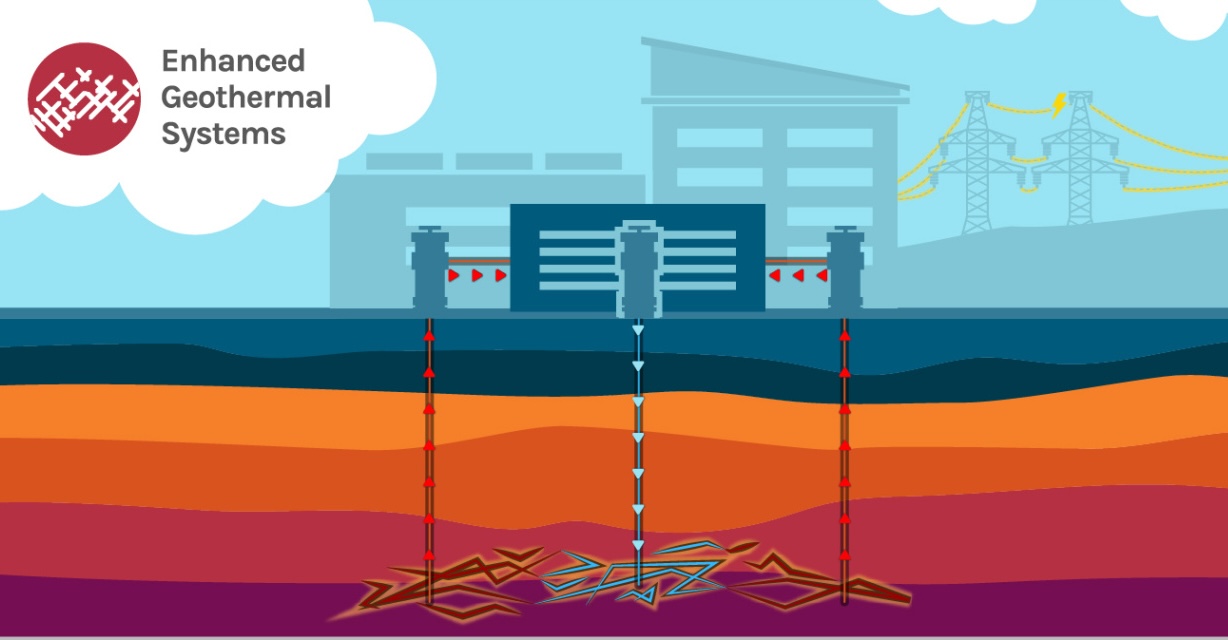
The US is recognizing geothermal energy as a significant resource, with New Mexico alone holding an estimated 163 gigawatts of potential, and recent policy moves aim to expand its development, supported by technological advances and interest from data centers and the Department of Defense.
Russian air strikes have destroyed or seized over half of Ukraine's power generation capacity, reducing it from 55GW to below 20GW and causing widespread blackouts. The EU is alarmed by the destruction of 9.2GW of energy generation since March, and recent attacks have targeted critical thermal and hydroelectric power plants. Ukraine faces significant challenges in repairing and replacing damaged infrastructure, with fears of severe energy shortages in winter. European countries are aiding with shipments of energy equipment, and Ukraine is increasing energy prices and adopting green technology to address the crisis.
PJM Interconnection, the largest U.S. power grid, may face the shutdown of up to 58,000 MW of mostly fossil fuel power generating capacity by 2030, potentially leading to increased consumer prices, as per a report by PJM's Independent Market Monitor. Factors contributing to this risk include a significant decline in prices in the region's capacity market, lower coal and natural gas prices, and regulatory requirements. The report emphasizes the need for securing replacement capacity to mitigate potential utility cost increases for consumers in the region.
NASA's Fission Surface Power Project, aimed at developing a small nuclear fission reactor to generate electricity on the lunar surface, has completed its initial phase with three $5 million contracts awarded to commercial partners. The project seeks to create a system that can support lunar bases for a decade and serve as a pathway for similar systems on Mars. The reactor designs are expected to provide a reliable power source during the 14-night-long lunar night and are part of NASA's Artemis program, with plans for deployment on the Moon in the early 2030s.