
Fed Flags S&P 500 Valuations at Dot-Com Bubble Lows Amid Rate Hike Fears
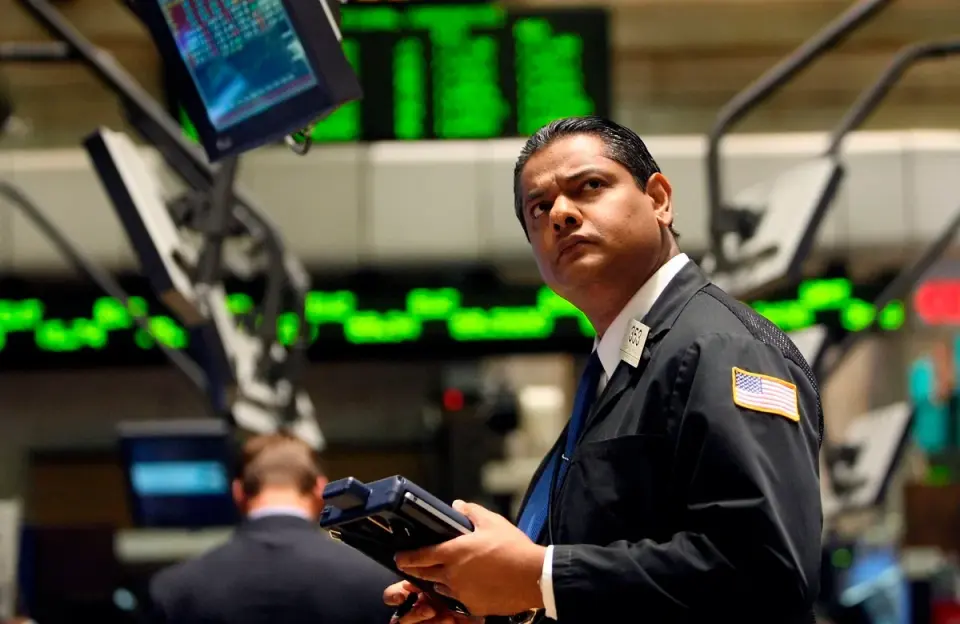
The Federal Reserve has warned that the S&P 500’s equity risk premium has compressed to levels not seen since the dot-com bubble, signaling that stocks are priced richly relative to risk-free bonds. This warning coincides with the Shiller CAPE ratio exceeding 41, a level reached only twice in the past 155 years. While the market is driven by AI enthusiasm and strong corporate profits, rising inflation and potential rate hikes pose significant risks to these high valuations.
Key points
- The Fed’s July meeting minutes revealed that the S&P 500’s equity risk premium has fallen below 2.5% for five consecutive months, a condition last seen in May 2002.
- The Shiller CAPE ratio for the S&P 500 has risen above 41, a threshold crossed only twice in the past 155 years, previously during the dot-com bubble and in 2021.
- Market pricing suggests a high probability of a Federal Reserve rate hike by the end of 2026, with CME FedWatch tools indicating an 87% chance, driven by persistent inflation concerns.
- Historical data shows that when the equity risk premium last remained this compressed in 2002, the S&P 500 declined 16% over the subsequent year.
- The current valuation compression is attributed to AI-driven earnings optimism and strong corporate profits, but it raises concerns about the market’s ability to absorb shocks from rising interest rates or inflation.
Background
Recent market volatility has been influenced by AI-driven investment trends and geopolitical tensions. In August 2026, leveraged AI bets unraveled for some hedge funds, highlighting the risks of high leverage in a strong market. Additionally, Asian markets rallied in early September as Fed officials eased fears of an imminent rate hike, but these gains were tempered by ongoing inflation concerns and oil price fluctuations. The current situation builds on these dynamics, with the Fed now explicitly warning about valuation risks.
How outlets are covering it
The Federal Reserve’s stance, as reported by eciks.org, emphasizes the historical precedent of compressed equity risk premiums leading to market corrections, drawing parallels to the dot-com era. In contrast, Hindustan Times highlights the Shiller CAPE ratio as a key indicator of overvaluation, noting that while high valuations are risky, strong corporate earnings could potentially justify current prices. The Yahoo Finance source, though largely obscured by technical data, aligns with the broader narrative of market caution, reflecting a general sentiment of concern among investors about the sustainability of current valuations. The divergence lies in the emphasis: the Fed focuses on the risk premium and historical precedents, while Hindustan Times underscores the CAPE ratio and the potential for earnings to offset high valuations.
Why it matters
The Fed’s warning signals a potential shift in market dynamics, where high valuations may not be sustainable if inflation persists or interest rates rise. This could lead to a correction in the S&P 500, affecting investor portfolios and broader economic stability. The historical parallels to the dot-com bubble and 2002 suggest that compressed equity risk premiums often precede significant market declines, making this a critical moment for investors to reassess their risk exposure.
What to watch
Investors should monitor the Federal Reserve’s next rate decision, expected in September 2026, and watch for signs of inflation cooling or accelerating. Corporate earnings reports will be crucial in determining whether current valuations are justified by strong profits. Additionally, geopolitical developments, such as the U.S.-Iran tensions, could impact oil prices and inflation, further influencing market sentiment. A potential rate hike could trigger a correction in high-valuation stocks, particularly in the tech sector.
- The Stock Market Is Doing Something for Only the 2nd Time in Nearly 156 Years, and History Says It Foreshadows Disaster for Wall Street Yahoo Finance
- Stock Market Investors Just Got a Warning From the Federal Reserve. History Says This Will Happen Next. Yahoo Finance
- Fed warns S&P 500 equity risk premium near dot-com bubble lows eciks.org
- Why is the S&P 500 at risk of a crash? CAPE ratio, Fed rates and Trump policies raise concerns Hindustan Times
- The Stock Market Just Did Something for the First Time Ever. History Says Investors Should Be Worried. But Could This Time Be Different? The Motley Fool
Want the full story? Read the original reporting
Read on Yahoo Finance