SpaceX completed the largest IPO in history in June 2026, reaching a market value peak of over $2 trillion. This valuation shift is expected to drive significant catalysts for the company's stock performance in 2027, establishing a new financial center of gravity for the space sector.
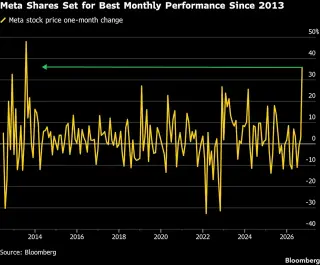
Meta Platforms is approaching a $2 trillion market capitalization after recording its strongest monthly performance since 2013. The surge follows the launch of the Gen 3 Ray-Ban smart glasses and the anticipated reveal of the Project Phoenix mixed-reality headset at Meta Connect.
The article argues that the market is currently exceptionally expensive by the CAPE (Shiller P/E) measure—around 41.1 vs a long-run average near 17.8—marking only the sixth time in 155 years that such elevated readings have occurred during a bull market. History shows these periods have preceded major corrections or crashes (1929, 1997–2001, 2017–2018, 2019–2020, 2020–2022), but the piece cautions that a high CAPE does not guarantee a crash. With AI-driven expansion supporting valuations but potential rate hikes threatening capital costs, investors should focus on long-term holdings, maintain cash reserves, trim speculative bets, and diversify into defensive assets to weather possible volatility while remaining invested for future gains.
The S&P 500’s Shiller CAPE ratio has stayed above about 40 since early May 2026, a level last seen during the dot-com bubble, suggesting stretched valuations. Yet history shows no two bear markets are alike, and remaining invested with selective, quality buys may be safer than trying to time a crash; Crestmont research notes positive returns over every 20-year period since 1919, underscoring the case for long-horizon investing even amid volatility.
U.S. stocks sit at record highs while the Shiller CAPE ratio climbs toward the dot-com era peak (about 44), currently around 41, signaling valuations may be stretched relative to earnings. The piece stresses that CAPE isn’t a crash predictor but argues for selective investing—favoring financially strong companies—while noting Nvidia’s prominence in the rally and warning about AI-driven hype.
Valuations are around a CAPE of 41.7—one of the highest readings in 155 years, peaking near 42.84 this cycle and well above the 155-year average, with the dot-com era high at 44.19. History suggests such extremes can precede declines, though long-term investors have historically prospered by staying invested. The rally has been driven by AI, earnings, stock splits, and buybacks, but timing risk remains and a cautious, long-term approach is advised.
With market valuations near dot-com bubble highs and a 3-year bull run underway, AI-linked covered call ETFs are suggested as a hedge against the risks of overvaluation and potential market correction.
Palantir's stock has declined 19% amid a cooling in AI enthusiasm and concerns over its high valuation, despite long-term AI demand projections. Top investor Oliver Rodzianko advises caution, highlighting valuation risks and market sentiment, and currently recommends a hold on the stock with a 12% upside potential over the next year.
The article examines whether the current AI-driven stock market rally resembles a bubble, comparing it to past market bubbles and analyzing factors like valuation, concentration, fundamentals, and investor scrutiny. While some indicators suggest overvaluation and high concentration in tech stocks, historical context and company fundamentals imply that a crash isn't imminent, though increased scrutiny remains a healthy check on potential risks.
The article examines whether the current AI-driven stock market rally resembles a bubble, comparing it to past market bubbles and analyzing factors like valuation, concentration, fundamentals, and investor scrutiny. While some indicators suggest caution, experts believe a crash is unlikely in the near term, but increased scrutiny and high valuations warrant careful monitoring.
Investing $5,000 in Tesla stock around Christmas 2020 would now be worth approximately $11,111, reflecting a 122% return over five years, despite recent sales declines and market fluctuations.
The article discusses cautious optimism for 2026, highlighting high market valuations, expected earnings growth driven by AI, and a preference for selective stock picking over broad market exposure due to valuation concerns.
Warren Buffett sold over $24 billion worth of stocks in the first nine months of 2025, including significant sales of Apple and Bank of America shares, as he adopts a more conservative stance amid concerns of market overvaluation and prepares for his upcoming retirement, possibly building cash reserves for his successor.
US stocks have had a strong year with over 37% gains since April, driven mainly by tech stocks, which contributed nearly 40% of the market's return. Despite recent sell-offs, valuations in tech remain attractive, though some strategists are reducing exposure to AI themes and shifting focus to small caps and Latin American stocks. The market is expected to be quiet in the upcoming week with limited trading around the holidays, and economic data remains mixed as investors await clearer signals in the new year.
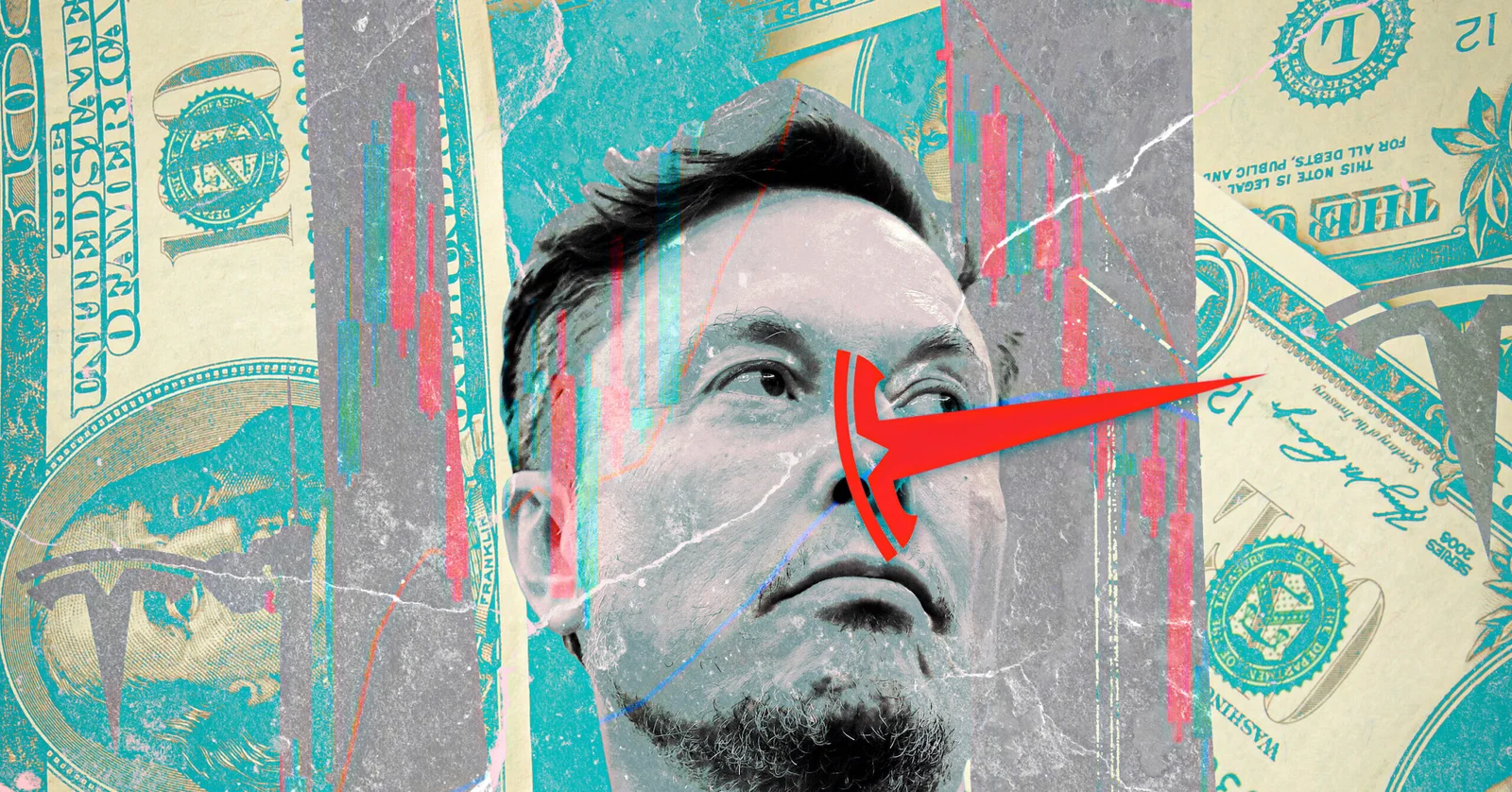
Elon Musk's new Tesla pay deal, structured around highly unlikely performance targets, has been widely misinterpreted as a trillion-dollar payout, but in reality, it is a complex incentive plan with many unrealistic goals, reflecting Musk's tendency to overpromise and underdeliver, and raising questions about the true value and sustainability of Tesla's market valuation.